After my recent column entitled “Where are alcohol levels headed?”, Edo Heyns, who is strategic development and marketing manager at at AdVini South Africa, the company that owns Le Bonheur in Stellenbosch among other properties, dropped me a line to say “We are going lower!”
Out of the Le Bonheur new-release reds, not one of them has an alcohol above 14%. The Merlot 2020 is 13.34%, the Cabernet Sauvignon 2020 is 13.35%, the Cape Bordeaux Red Blend known as Prima 2020 is 13.43%, the Petit Verdot Reserve 2020 is 13.51% and the Cabernet Sauvignon Reserve 2019 is 12.97%.
Tasting notes and ratings as follows:
Le Bonheur Merlot 2020
Price: R130
Red and black berries plus attractive herbal, leafy notes. Medium bodied with fresh acidity and fine tannins, the finish nicely dry. Unobtrusive oak and rather elegant.
CE’s rating: 90/100.
Le Bonheur Prima 2020
Price: R130
Red and black berries, a hint of mint, cigar box, vanilla and chocolate on the nose. Again medium bodied and understated, the extraction well judged. A sappy wine with reasonable detail.
CE’s rating: 90/100.
Le Bonheur Cabernet Sauvigon 2020
Price: R150
Cranberry, cassis and some leafiness on the nose. Good fruit purity, bright acidity and firm but fine tannins. All components in agreement, the result being a wine that provides unpretentious and pleasing everyday drinking.
CE’s rating: 90/100.
Le Bonheur Petit Verdot Reserve 2020
Price: R500
Expressive aromatics with notes of red and black berries, violets, fresh herbs and spcie. The palate is succulent but not excessively so – fruit to the fore, bright acidity and lightly grippy tannins.
CE’s rating: 92/100.
 Le Bonheur Cabernet Sauvignon Reserve 2019
Price: R500
Matured for 18 months in French oak, 100% new. Red and black berries, a hint of tobacco, olive and toasty oak on the nose. The palate has excellent fruit definition – concentrated but not weighty or thick-textured. This has both vibrancy and structure, the tannins still rather firm. Excellent focus and length.
CE’s rating: 94/100.
Check out our South African wine ratings database.
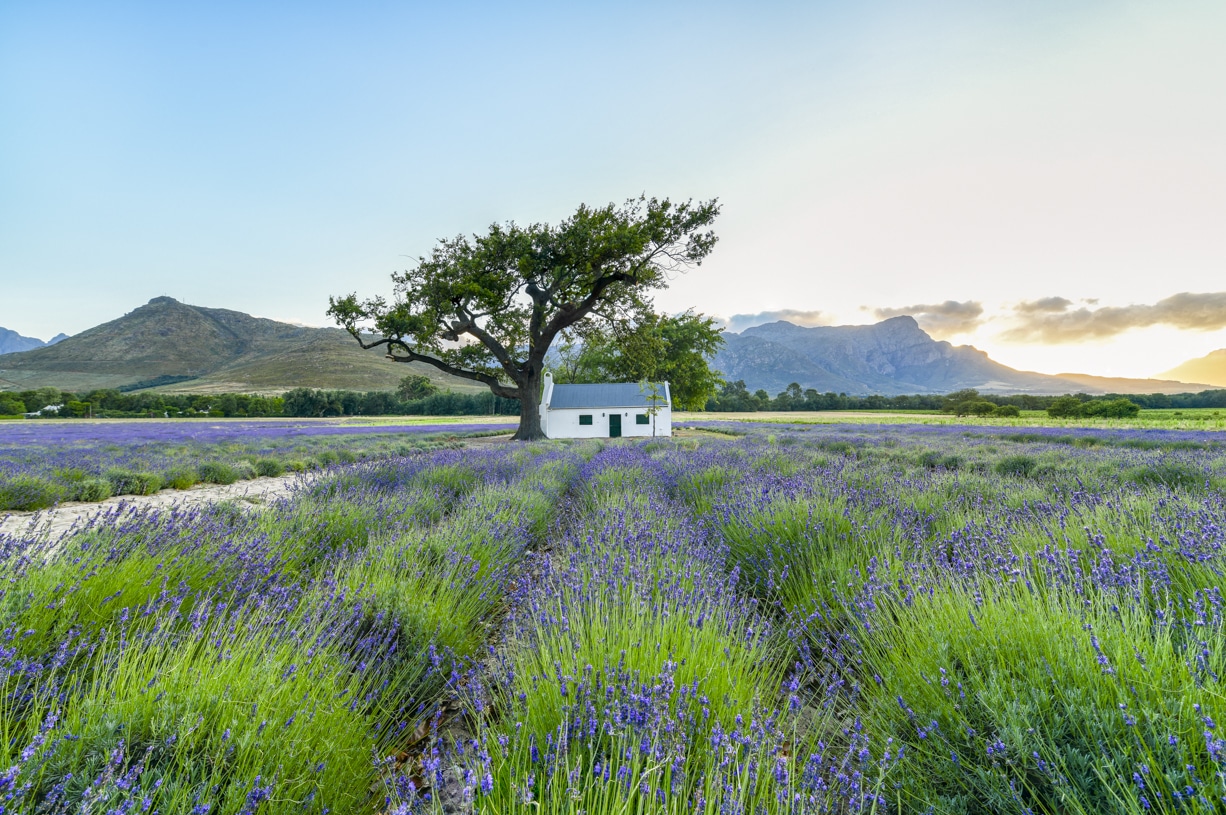
La Motte is set to introduce JAN Franschhoek, a food and wine experience presented by Michelin-starred chef Jan Hendrik van der Westhuizen and team in a 19th-century cottage known as Veepos situated amidst the property’s lavender fields.
JAN Franschhoek will be open for dinner bookings on select dates from 1 December 2022 until 31 May 2023. The experience starts with a welcome in the La Motte Manor House (18:30) before dinner begins at 19:00. Cost: R 2500 per head. Visit JAN Franschhoek for more information and reservations.
Charla Bosman (née Haasbroek), the winemaker at Sijnn in Malgas since December 2014, also makes wines under her own label, tasting notes and ratings for the latest releases as follows:
Charla Haasbroek Chenin Blanc 2021
Price: R250
Spontaneously fermented and mature for 11 months in an old 400-litre barrel. Complex aromatics with some flinty reduction preceding peach, apricot, cut apple, pineapple, some yeasty complexity, and spice. The palate has concentrated fruit, snappy acidity and an intensely savoury finish. Great depth of flavour – a flamboyant, edgy wine.
CE’s rating: 93/100.
 Charla Haasbroek Prince of Peace 2021
Price: R300
A 50:50 blend of Grenache and Syrah, 50% of the former and 10% of the latter undergoing whole-bunch fermentation. Fermented and matured for 10 months in older oak before being blended and returned to barrel for another nine months. Captivating aromatics of red and black berries, pomegranate, fynbos, earth, pepper and spice. The palate is vivid and vibrant with great fruit density, plenty of drive and grippy but not aggressive tannins. Precisely made but equally full of character.
CE’s rating: 95/100.
Check out our South African wine ratings database.
Danie Morkel, who is the winemaker for Roodekrantz, also makes wines under his own label called Fuselage – his family owns Diemerskraal airfield between Wellington and Malmesbury and hence the name. Tasting notes and ratings for the new releases as follows:
Fuselage Great White 2021
Price: R225
A blend of Grenache Blanc, Roussanne, Viognier, Chenin Blanc and Muscat Blanc. Very fragrant on the nose with notes of pear, peach and lime plus flowers and spice while the palate is light and fresh but not without complexity, the finish long and saline. Alcohol: 13%.
CE’s rating: 92/100.
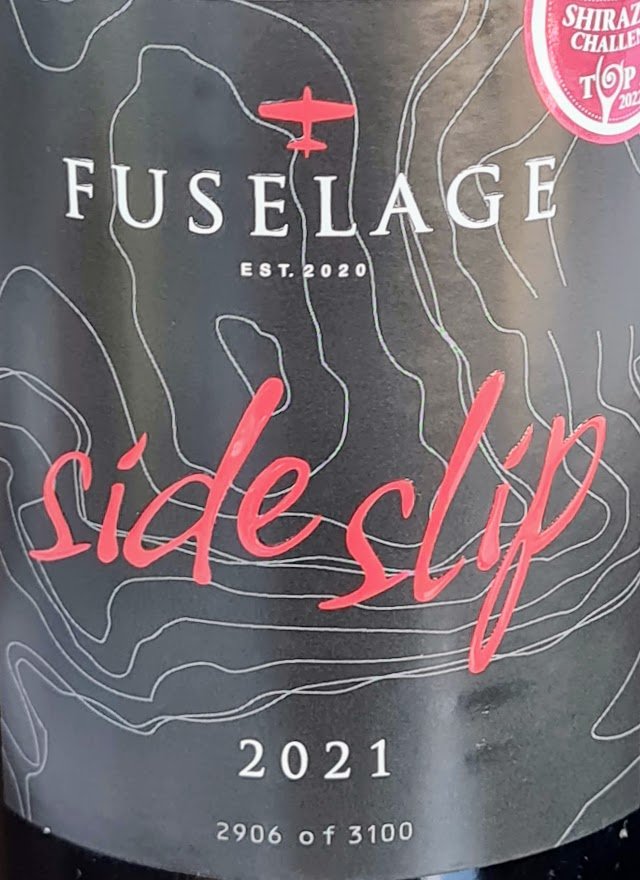 Fuselage Slide Slip Syrah 2021
Price: R200
Grapes fully de-stemmed, maturation taking place in neutral oak. Red and black berries, violets, cured meat and spice on the nose. The palate is well balanced and flavourful – good fruit density, bright acidity and fine tannins. Alcohol: 13%.
CE’s rating: 93/100.
Fuselag Stealth Grenache Noir 2021
Price: R225
Grapes from Wellington. Red and black berries plus some floral perfume on the nose. With generous fruit, bright acidity and soft tannins, this offers easy drinking. Alcohol: 14%.
CE’s rating: 89/100.
Check out our South African wine ratings database.
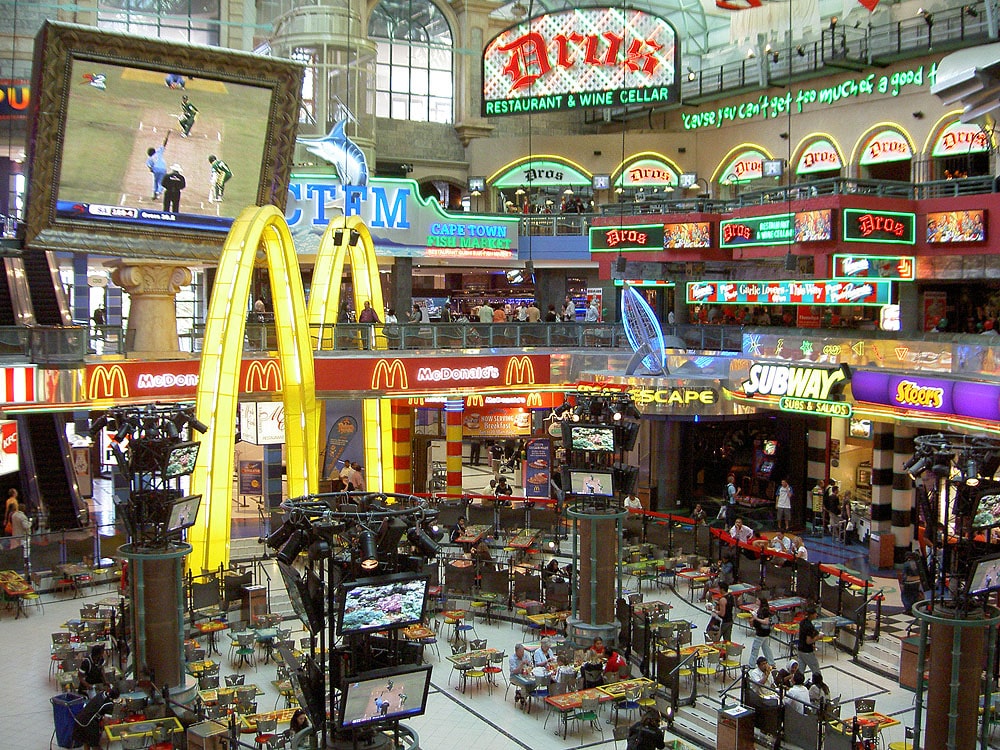
Do this year’s Eat Out Woolworths Restaurant Awards, back after a two-year interruption caused by Coronavirus, “favour bling over elegance” as one observer put it on social media? It strikes me that by its very nature, the Eat Out Awards are compelled to reward the artful and elaborate (“haute cuisine”) rather than the classic that the gastronomically attentive middle classes might prefer.
No doubt some very good chefs have been acknowledged by Eat Out but there is, of course, a certain sub-set of urban sophisticates who use the experience economy, a top-end restaurant meal being a prime example, to establish their social status. One level down, South Africa is only too happy to accept what might be called “improvised eclectic” (steak-pasta-pizza-sushi all out of the same kitchen), while even further below that, the fast-food outlets proliferate.
If you’d asked me 20 years ago, I would’ve thought that the national food culture would’ve been more developed by now. And as for food, so for wine as these figures demonstrate: In 2021, wine made up 9.9% of total liquor consumption by volume compared to beer at 71.2%. Average annual consumption per capita for wine was 6.53 litres compared to 47.12 litres for beer. And wine prices remained resolutely low with 81% selling for less than R100 a bottle and 65.4% selling for less than R40 a bottle.
The fundamental problems that have always beset wine marketing have probably only got worse in the last two decades. Wine is seen by many as elitist, and the enormity of choice makes buying decisions difficult. Has the industry done that much to address this?
To the extent that there is a wine-drinking market segment, they generally remain risk adverse and hugely price sensitive. Youngsters, or at least those aged under 35, appear to be self-conscious about their lack of wine knowledge and reluctant to engage with the subject, preferring beer and spirits, which in any event market themselves much better as desirable lifestyle products.
Then, there’s a group of wine drinkers I’m starting to know all too well, the middle-aged suburbanite. Typically, income is not really a deterrent to enjoying wine for these people, but it remains a simple pleasure to them. They are conservative in their tastes and reluctant to deviate from what they know (the phenomenal success that retailer Woolworths has enjoyed with box wine boldly branded with the respective farms points to this). They may even drink wine most days of the week, but they have no special interest in learning more, or in the advice of critics.
There are two other clusters that should give the wine industry some hope in that they are highly involved with the subject of wine but unfortunately, they remain numerically tiny and hence account for very little of the total spend of wine. These are: 1) the hipster-yuppies and 2) the seasoned connoisseurs.
The first group are a relatively young group of well-travelled high earners, who enjoy the sociability and excitement of discovering wine and are happy to drink from a broad portfolio spanning established ultra-premium to obscure small-batch. The second consists of middle-aged professionals, properly wine-savvy by dint of experience and possessing high net worth so the most valuable when it comes to spend in the off-trade. They have the broadest palates of any wine drinkers and are the most likely to buy imported wines.
The question is how to grow the wine market and it’s not difficult to trot out all the supposed answers, education and better marketing being probably the two most predictable. In the first instance, however, wine is enormously complicated and doesn’t lend itself to being easily communicated despite the best efforts of the Cape Wine Academy and WSET. In the second instance, better marketing requires budget and wine’s never going to be able to compete with beer or spirits where the margins are so much greater.
The only solution, it seems to me, is to accept that winning over more people to wine is an extremely gradual, painstaking process. We live in a world where brands predominate, where so much of what we consume, both literally and figuratively, is corporate, culture-less and rootless, where bling does trump elegance but wine, at least some of it, provides a sort of antidote. Wine-growing, and the age-old attempt to articulate site, ultimately defies commodification and it’s always a special moment when you see a wine newbie appreciate for the first time how good for the soul that is.
Roodekrantz is a partnership between former Windmeul export manager Marius Burger, son Marius Junior and winemaker Danie Morkel that focuses on securing old vine parcels from across the winelands. The 2021 set of wines, all from Chenin Blanc, have just been released, and once again they are impressive (winemaking is the same throughout – inoculation with a commercial yeast so that the fermentation process doesn’t obscure terroir, maturation lasting 10 months in older oak). Tasting notes and ratings as follows:
 Roodekrantz Rhenosterbosrug 2021
Price: R270
From a Swartland vineyard planted in 1983. Pretty aromatics of pear and white peach with notes of hay and potpourri in the background. The palate is lean and tense, elegant and energetic – pure fruit, lovely freshness and a pithy finish.
CE’s rating: 95/100.
Roodekrantz Die Kliphuis 2021
Price: R330
From a Swartland vineyard planted in 1977. Expressive aromatics of citrus, peach, nectarine and mandarin while the palate has great concentration, punchy acidity and arrestingly bitter finish – a dramatic wine.
CE’s rating: 95/100.
Roodekrantz Brand se Berg 2021
Price: R270
From an Agter-Paarl vineyard planted in 1975. Lime, lemon and orange plus some leesy complexity on the nose while the palate is rich and round with tangy acidity and an intensely savoury finish.
CE’s rating: 93/100.
Roodekrantz 1974 Old Bush Vine 2021
Price: R270
From an Agter-Paarl vineyard planted in 1974. Top notes of honeysuckle and herbs before citrus and peach on the nose while the palate is rich and dense but not short of freshness. Full of flavour and nicely weighted.
CE’s rating: 94/100.
Roodekrantz Donkermaan 2021
Price: R330
From a Helderberg vineyard planted in 1967. Intriguing aromatics of peach, citrus, fynbos and wet wool. Great texture and mouthfeel – this has side-palate in addition to length and is just very well balanced. Subtle and intricate.
CE’s rating: 95/100.
Check out our South African wine ratings database.
 At the recent launch of the 2018 vintage of Private Bin R163 Cabernet Sauvignon from Nederburg, Vinotèque manager Michael van Deventer and I got to discussing the great vintages of the last three decades. When I made a case for 2003, he insisted I review a bottle of Private Bin R163 from that vintage (of interest, it rated 4½ Stars in Wine magazine when tasted during the course of 2006).
You can’t accuse the Vinotèque of exaggerating the merits of their stock, the website describing the 2003 as follows: “On the downward curve, the 2003 still possesses well rounded, mature complexity, marrying earthy notes with soft tannins. Starting to look a little dank in flavour, this will be elevated with further keeping – not advised, drink soon.”
I’m inclined to be quite a bit more positive about it. The nose shows red and black berries, a hint of tomato cocktail, oyster shell and dried herbs on the nose – hardly primary but likewise little overt decay in evidence. The palate, meanwhile, is medium bodied with the fruit still intact, although the tannins are indeed nicely resolved providing the wine with a pleasing mellow quality. I agree it shouldn’t be kept longer but it still provides plenty of enjoyment.
Made when Razvan Macici was still Nederburg head winemaker, grapes are, as always, from Paarl; maturation lasted 18 months in 100% new oak barrels, mostly French but also including American and Hungarian, and alcohol is 13.49%. Vinotèque price: R755 a bottle.
CE’s rating: 92/100.
Check out our South African wine ratings database.

The early editions of the Platter’s guide (from 1980) carried substantial notes on imported wines available in South Africa – mostly, but not only, French ones. There were a lot of them. This practice might seem rather strange now, but does suggest that the average reader of the guide could plausibly have been interested in the information. Before the end of the decade, foreign coverage had been reduced to notes on vintages and it then disappeared altogether.
Correspondingly, imports also dropped considerably over the decade (as Michael Fridjhon recently confirmed to me), and if you consider the exchange rate, it’s easy to understand the major reason for this. In January 1983 there was virtual parity between the rand and the US dollar; by 15 August 1985, the day of PW Botha’s infamous Rubicon speech about the entrenchment of unreformed apartheid (“There can be no turning back…), the currency had shrunk by half. But the real freefall started that day.
So that golden age when the local elite and a few serious wine lovers (including some makers of the stuff) drank plenty of foreign wine, pretty cheaply, was over. This shift coincided with the tightening grip of sanctions and the general increase in the isolation of the local wine industry and its personnel. Comfortingly, a myth seemed to grow quickly, telling local producers and consumers not to worry, as Cape wines were as good as any in the world. This despite the fact that it was all happening in what we can now see as the dullest decade in modern South African wine, as the KWV strategy of quanitity over quality became increasingly meaningful – despite the promising emergence of estates on a small scale, producing a few handfuls of good stuff.
The escape from vinous isolation after the arrival of formal democracy in 1994 soon dispelled the cosy myth, of course. The international market spoke harshly, once the Mandela factor started to fade. But young winemakers started travelling, taking their curiousity around the world, and imports started increasing again. I make that latter statement with some confidence, but I don’t know of research into the history of wine imports – it could be an interesting study, especially if it could draw some conclusions as to their role in educating local palates.
Certainly, the past three decades in which I’ve been a wine buyer and observer here have seen a marked increase in the availability of foreign wine on our shelves – and via email lists of well-heeled cognoscenti. It’s inevitably concentrated at the very top end of consumption (though as I recall, Argentine wine went into a big local brand for a while), but now there’s a substantial array of foreign wines available. Much of it now seems not so egregiously expensive in comparison with some of the grander Cape stuff.
One of the few sources of cheaper but decent quality foreign wine has been the supermarket Checkers, and it was a Checkers import that first prompted my current musings. Back in 2019, when I was looking generally for good value wines to report on, I discovered their Moselgarten Riesling Kabinett 2016, with a lot of the charm you’re entitled to expect from a light, sweet-cored but almost thrillingly balanced Mosel riesling, at a mere R60. Sadly, the discovery came late and I only managed to ever find one bottle of it. But just last week, I found stocks of the 2017 at my local Checkers. (2017, yes!) The price is now R99, but I reckon it still counts as very good value – similar-category riesling from snottier neighbours (without a beneficial five years of bottle age) will cost three times as much.
Coincidentally further raising the question of good value imports (and ones that are valuable additions for wine lovers), I had an unexpected lunch with Chris Groenwald, widely experienced winemaker and wine-seller, of a small import business called Pounding Grape, together with winemaker Pieter de Waal, who (also wearing just one of his hats) works with Chris, and fellow wine lover Melvyn Minnaar. I’m not going to offer any notes on the wines Chris and Pieter brought (it was more a lunch than a tasting and we had some great food from South China Dim Sum in Long Street, Cape Town), but we sampled four whites and two reds, from small organic and/or biodynamic producers in Italy and France.
All were at the very least fresh and lively and delicious, generally offering characters that you don’t find locally. These guys are seeking out really interesting wines. All but one that we tried cost less than R200 per bottle; all were remarkable value for money. This at a time when – look around you at our supposedly underpriced wines – you’re not going to find many local quality equivalents at this sort of ticket. With such prices, anyone can afford to look around and to learn, even if the wider wine world is hitherto unexplored territory. The Pounding Grape website is friendly, and packed with intelligent, useful notes about the producers and the kinds of wine they make.
I hope that Pounding Grape makes a decent profit – I doubt if it’s large in monetary terms – but I genuinely believe that love of wine is at the root of the business. One aspect is that Chris’s producers are all biodynamic or organic, something he deeply believe in, and he’s intent on showing local winemakers that if you can grow grapes organically on the Loire (etc) and in northern Italy you should certainly be able to do so, to wine’s great benefit, in South Africa on a wider scale than is present being done.
Pieter de Waal is right when he suggests that Pounding Grape “does add to the spectrum and diversity of what is on offer. It is a sad day when a country only drinks its own wine and believes, like we once did, that it is the best in the world and covers all the necessary bases”. He adds wryly: “I think it is probably easier to sell a bottle of Domaine Romanée-Conti to the Johannesburg nouveau riche than it is to sell a bottle of Chinon Cab Franc, but we will keep chipping away at the block.”
The exchange rate isn’t on our side, but we’re perhaps in another golden age of imported wines (OK, the bar is not too high) in South Africa, thanks not only to the efforts of the bigger importers but especially to smaller, genuinely passionate wine-people like Chris Groenwald. And, as Chris shows, even with the rand in its present state, you don’t need to be more than modestly rich to join in and have great fun.
Tim Hillock is a new producer in the Swartland based on the Kasteelberg. Tasting notes and ratings for his current releases as follows:
Tim Hillock Chenin Blanc 2021
Price: R300
Grapes from two vineyards aged 39 and 33 years old, grown by a neighbour on predominately schist soils. Matured for 11 months in foudre and older barrel. Pear, peach, talcum powder and some yeasty complexity on the nose while the palate has good fruit density, well integrated acidity and a gently savoury finish. Understated and harmonious, some light pithiness lending texture.
CE’s rating: 91/100.
Tim Hillock Rooi 2021
Price: R250
30% Cinsault, 30% Syrah, 22% Tinta Barocca and 18% Grenache. All from vineyards on schist soils around the Kasteelberg, except for the Tinta Barocca from 1962 Paardeberg block on granite soils. 50% whol-bunch fermentation before maturation lasting 10 months, half in old 300-barrels and half in concrete. Red berries, fynbos, cured meat and white pepper on the nose while the palate is light and refreshing with low tannins. Not hugely intense but very likeable.
CE’s rating: 90/100.
 Tim Hillock Paradiso Syrah 2021
Price: R350
95% Syrah, 5% Grenache. 70% from the Paardeberg, 30% from Kasteelberg. 100% whole-bunch fermentation before maturation lasting 10 months in foudre and older barrels. Dark berries, lavender, earth, pepper and spice while the palate has good depth, bright acidy and firm tannins. Full bodied and flavourful with a nicely dry finish.
CE’s rating: 92/100.
Check out our South African wine ratings database.

After a two year interruption, the Eat Out restaurant awards are back with a new star rating system. Announced last night, the results were as follows:
1-star restaurants:
beyond (Constantia)
Chefs Warehouse at Tintswalo Atlantic (Hout Bay)
Clara’s Barn (Somerset West)
Culinary Table (Lanseria)
Emazulwini (V&A Waterfront)
Epice (Franschhoek)
Farro (Bot River)
Forti Grill & Bar (Menlyn)
Hemelhuijs (City Bowl, Cape Town)
Indochine Restaurant at Delaire Graff Estate (Stellenbosch)
Les Créatifs Restaurant (Sandton)
Marble Restaurant (Rosebank, Johannesburg)
Modern Tailors (Rosebank, Johannesburg)
Ouzeri (City Bowl, Cape Town)
Post & Pepper (Stellenbosch)
RIVA Fish Restaurant (De Waterkant)
Rust en Vrede Restaurant (Stellenbosch)
Rykaart’s (Stellenbosch)
Séjour (Houghton)
The Melting Pot (Grabouw)
The Shortmarket Club Johannesburg (Rosebank)
The Table at De Meye (Stellenbosch)
The Test Kitchen Fledgelings (Woodstock)
The Waterside Restaurant (V&A Waterfront)
The Werf Restaurant at Boschendal (Franschhoek)
Ukkō (Sandton)
2-star restaurants:
ARKESTE by Richard Carstens (Franschhoek)
Belly of the Beast (City Bowl, Cape Town)
Chefs Warehouse at Beau Constantia (Constantia)
ëlgr (City Bowl, Cape Town)
Foxcroft (Constantia)
FYN (City Bowl, Cape Town)
La Petite Colombe (Franschhoek)
Spek & Bone (Stellenbosch)
The Pot Luck Club (Woodstock)
The Test Kitchen Carbon (Rosebank)
Zioux (Sandton)
3-star restaurants:
La Colombe (Constantia)
PIER Restaurant (V&A Waterfront)
Salsify at the Roundhouse (Camps Bay)
The LivingRoom at Summerhill Guest Estate (Pinetown)
Wolfgat (Paternoster)
Special Awards:
Eat Out Woolworths Restaurant of The Year
The LivingRoom at Summerhill Guest Estate.
Eat Out Woolworths Financial Services Chef of The Year
John Norris-Rogers of PIER.
Eat Out WCellar Wine Service Award
Victor Okolo from Salsify at The Roundhouse.
Eat Out Naked Malt Rising Star Award
Mmabatho Molefe from Emazulwini.
Eat Out Woolworths Financial Services Service Excellence Award
Forti Grill & Bar in Menlyn.
Eat Out Valpré Lannice Snyman Lifetime Achievement Award
Rudi Liebenberg.
Eat Out Woolworths Lockdown Innovation Award
Liam Tomlin.
Eat Out Woolworths Sustainability Award
FABER at Avondale.
Eat Out VISI Style Award
Zioux
Eat Out Stella Artois Best Destination Restaurant Award
Nevermind in Cape St Francis.
Eat Out Woolworths Icon Award
La Madeleine in Pretoria.
Eat Out Retail Capital Best New Restaurant Award
Dusk in Stellenbosch
Subscribers receive daily reviews and in-depth reports before release to the public. Cancel any time.
