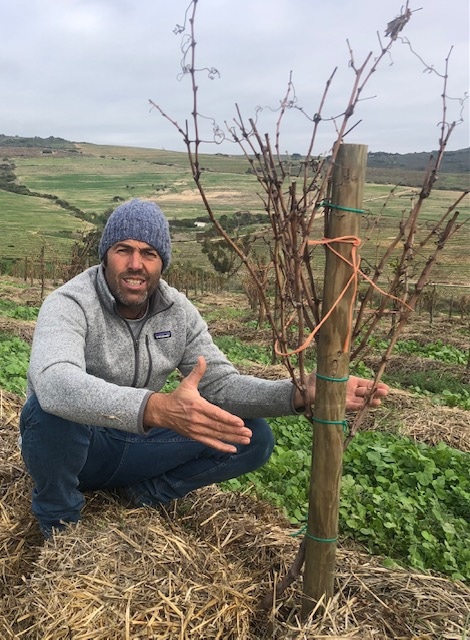
It wouldn’t surprise me if, in 30 years, Eben Sadie (approaching 80!) were not best known as a grape-grower and as a provider to the top end of the industry of famously good and famously expensive fruit. His middle-aged children according to this scenario would probably be running Sadie Family Wines. (Of course, as an aside, I myself would obviously be extremely surprised to be surprised at anything in 30 years – but you’ll understand what I mean.) I’m thinking of a role something along the lines of Andy Beckstoffer’s in California: Beckstoffer makes no wine but owns and nurtures a swathe of highly acclaimed vineyards, for the grandest of which he can earn something approaching R350 000 per ton of grapes. (Can that be? The Beckstoffer formula demands a US ton of grapes to be priced at 100 times the retail price of a bottle of the wine it makes: $250 would not be unreasonable for the fanciest of such bottles). He has become very rich, as you might imagine.
I confess that I have no certain grounds for this semi-prediction – and not the declared ambition of Sadie himself, though we have discussed some aspects of the idea. But the reasonable possibility of such a trajectory is starting to emerge (and of course it would be predicated on the increased international acceptance of high quality and pricey Cape wines). Let me instance two prime reasons.
Firstly, the vineyards on Rotsvas, the Sadie farm on the Paardeberg are starting to produce very good quality grapes – for at least some of which there is going to be no obvious place in the Sadie portfolio, where the Old Vineyard Series obviously excludes them. Eben is already scratching his head hard about this. Introducing new labels or tiers to the range is not a simple alternative, for many reasons. And there are virtually certain to be more Sadie-owned vineyards in the not-too-distant future (watch this space). More vineyards whose produce will need to find homes elsewhere.
Secondly, more simply, farming is clearly what Eben loves most of all. He has a highly accomplished winemaker in the cellar, Paul Jordaan, and clearly, he’d like to spend as much time as possible among the vines – not only those he owns but those he has on lease and whose viticulture he controls; that is 42 of the 48 vineyards he currently works with. He now has a team of 18 permanent vineyard workers, as well as viticulturist Morné Steyn on the job.
But if any Sadie-grown grapes get sold to other winemakers, you can be sure that they will come expensive (at least once the vines mature). Not because of greed, but because Eben’s way of farming is very costly. We had a conversation about this while he was explaining the way he is planting his new 3.6-hectare mixed vineyard (including agiorgitiko, trincadera, tinta francesa, cinsault blanc, vermentino, grillo, clairette, palomino, lledoner pelut, a little syrah despite Eben having clearly rather fallen out of love with the grape, and – perhaps most excitingly – the cleaned-up pontac that is becoming available). Each vine has its own pole, but essentially, as I understand it, each will be rather like a bushvine with a trunk holding it well off the ground. The first, red-wine, vineyard on Rotsvas was of more standard bushvines, but the second, for white-grape wines, was also of this higher form of head-trained vines (though on slightly shorter poles because there is less vigour in the soil). It’s a system, which Eben thinks is particularly well suited to increasingly dry Swartland conditions without irrigation.
Look at the Rotsvas vineyards and you see a vast amount of mulching with straw – an expensive matter (though at least transport costs for it are lower in the Swartland, where so much is produced). It’s part of an expensive programme of hands-on care for the vines. On a side note: that cost doesn’t necessarily include the use of horses in working the vineyard. The Sadie percheron, Ben, has been around for a while and has started his working career. A desirable alternative to tractors, it seems generally agreed (largely because it doesn’t compact the soil as a tractor does), but a remarkably expensive and comparatively slow one, Eben admits – insisting, though, that it’s also a really nice to have a horse around! He has, however, recently acquired the first locally commercially produced tractor – Breda is the brand.
The cost of high-quality grape farming is now up to about R85 000 per hectare, Eben reckons, meaning a break-even price of R14 000 per ton. Incidentally, I asked Rosa Kruger about these figures and, while largely agreeing, she pointed out that it is very difficult to work out average costs for different areas and with different varieties and yields. But she does agree that most farmers are not getting anything like the price per ton that they need to farm well. Presumably, a lost of cost-cutting happens at different levels, with grape quality – and wine quality – the necessary losers.
Eben, as a potential grape farmer selling off expensively-produced grapes, would obviously be aiming at those wanting really high-end fruit. As prices for the best (or some of the cheekiest) Cape wines rise, this should be viable. Along with raising the generally rotten wages of wine-workers, it’s one of the few respect-worthy motivations for raising those prices that I can think of (simply to put oneself on a snootier international level is not so). Whether he’ll ever reach the astronomical levels of Andy Beckstoffer in California (and raise grape prices more generally here, as Beckstoffer did there) is more than a touch uncertain – I persist in thinking that to have a wine industry really successful at the pricier end could only be based on a larger, richer domestic customer base than South Africa has. But the effort, and the goal of helping to further develop Cape viticulture at the highest level, is a fine and important one.
Help us out. If you’d like to show a little love for independent media, we’d greatly appreciate it. To make a financial contribution, click here. Invoice available upon request – contact info@winemag.co.za
 The annual Label Design Awards for Wine, Beer, and Spirits will take place in the fourth quarter of 2021.
Founded in 2015, the competition seeks to reward outstanding design as an influence on wine, beer, and spirit purchases – entries for this year’s awards open on 1 October 2021, and all South African wine, beer, and spirit producers as well as design studios are invited to participate.
The awards are proudly sponsored by self-adhesive label supplier Rotolabel and are convened by Winemag.co.za. Self-adhesive label supplier Rotolabel has been associated with this initiative since inception, and we subsequently welcomed Avery Dennison, Synchron, and Kemtek HP Indigo as secondary sponsors.
Wines will be judged in four categories: 1) under R80 a bottle; 2) over R80 a bottle; 3) over R500 a bottle and 4) labels forming a series – no price constraints.
Beers will be judged in two categories: 1) single labels and 2) labels forming a series.
Spirits will be judged in two categories: 1) single labels and 2) labels forming a series.
Judging criteria include originality of concept, execution, shelf appeal, and effectiveness as a piece of communication. Judges are drawn from the graphic design community, liquor trade, and media.
Wine, beer, and spirits must be produced in South Africa; commercially available; and the minimum stock requirement is 50 six-bottle cases. Each entry must be accompanied by a 150-word creative rationale.
The entry kit will be available on Winemag.co.za from 1 October and the closing date for entries is 3 November.
After official judging, finalists will then be displayed on Winemag.co.za from 15 to 24 November to allow for consumer voting to determine the People’s Choice Award. The winners will be announced on Friday 3 December.
To view last year’s winning work, click here.
 President Cyril Ramaphosa last night announced that South Africa is moving to Alert Level 4 for a period of 14 days to combat the spread of Coronavirus infections. Alcohol sales are banned, new curfew hours are 21h00 to 04h00 and restaurants may only serve food for take-away or delivery.
Seasoned wine marketer Ross Sleet launched his own brand called Rascallion in 2017 and working with consultant winemaker Rianie Strydom, previously of Haskell Vineyards, has now added a top tier of three wines collectively known as the Winemakers Collection, the individual wines referencing Sleet’s father, mother, and grandfather. Tasting notes and ratings as follows: Rascallion The Devonian Chenin Blanc 2019
Price: R395
Grapes from the Paardeberg, Swartland. Cut apple, stone fruit, a little nuttiness, and some wet wool character on the nose. Rich and broad on the palate offset by bright acidity, the finish savoury and slightly grippy.
Prescient Chenin Blanc Report rating: 89/100.
Rascallion A Mother’s Journey Syrah 2018
Price: R395
Grapes from the Helderberg, Stellenbosch. Approximately 20% whole-bunch fermentation. A hint of reduction before red and blackberries, lily, and a touch of pepper. The palate is balanced and avoids any extremes, neither too lush nor too lean. Pure fruit, fresh acidity, and lightly grippy tannins.
CE’s rating: 92/100.
Rascallion Edward Ross 2018
Price: R395
Grapes from Stellenbosch and Paarl. 52% Shiraz, 34% Cabernet Sauvignon, 7% Cinsault and 7% Grenache. Cherries, plums and cassis, pepper, and other spice plus a hint of earth. The palate is glossy and smooth without sacrificing complexity – good depth of fruit, bright acidity, and fine tannins.
CE’s rating: 93/100.
Check out our South African wine ratings database.
Help us out. If you’d like to show a little love for independent media, we’d greatly appreciate it. To make a financial contribution, click here. Invoice available upon request – contact info@winemag.co.za
 The Cape Blend, “a blended red wine of which Pinotage constitutes a significant component” to quote the Pinotage Association has never really caught on but the Endura 2017 from Perdeberg, the Paarl cellar celebrating its 80th anniversary this year, works well.
Consisting of 69% Pinotage, 21% Cabernet Sauvignon and 10% Malbec, it was matured for 18 months in French oak barrels, 20% new. Plums, cherries, cassis plus hints of vanilla and spice on the nose while the palate is full, round and smooth textured in the best sense, the finish gently savoury. It’s accessible but not too easy and while some versions of Cape Blends can be discordant, this is not the case here (alcohol: 13.65%). Price: R350 a bottle.
CE’s rating: 90/100.
Check out our South African wine ratings database.
Help us out. If you’d like to show a little love for independent media, we’d greatly appreciate it. To make a financial contribution, click here. Invoice available upon request – contact info@winemag.co.za
Thistle and Weed, the collaboration between Etienne Terblanche (viticulturist) and Stephanie Wiid (winemaker), now have three single-origin examples of Chenin Blanc, Springdoring from Swartland grapes joining the established Duwweltjie and Brandnetel bottlings. Winemaking is basically the same throughout – spontaneous fermentation before maturation lasting 10 months in older oak – and while there is nothing between them in sheer quality terms, site makes for a markedly different sensory experience in each case. Tasting notes and ratings as follows:
Thistle & Weed Duwweltjie 2020
Price: R235
Grapes from a Paarl vineyard planted in 1961. Pear, white peach, dried herbs, and some leesy complexity on the nose. The palate has good weight with nicely integrated acidity – layers of flavour, the finish possessing that slight and not unpleasant bitterness that this variety often presents.
CE’s rating: 94/100.

Thistle & Weed Brandnetel 2020
Price: R295
Grapes from the vineyard on the Simonsberg in Stellenbosch planted in 1980. Some flinty reduction before stone fruit, pineapple, and ginger. The palate has the most richness and weight of the trio – a dense core of fruit offset by fresh acidity before a saline finish.
CE’s rating: 94/100.
 Thistle & Weed Springdoring 2020
Price: R295
Grapes from a Paardeberg vineyard planted in 1982. Lime, white peach, green apple, hay, and dried herbs on the nose. The most light-bodied and lean of the trio – pure fruit and zippy acidity before a pithy finish. Delicate and tightly wound.
CE’s rating: 94/100.
Check out our South African wine ratings database.
Help us out. If you’d like to show a little love for independent media, we’d greatly appreciate it. To make a financial contribution, click here. Invoice available upon request – contact info@winemag.co.za
Even more, respect, if that’s possible, for Stellenbosch property Kanonkop after tasting the new releases – the Pinotage 2019 masterfully well crafted, the Cab 2017 setting a new benchmark for what can be achieved with this variety locally and in the case of the 2018 vintage of the Cape Bordeaux red blend that is Paul Sauer, the challenges of the vintage deftly negotiated. Tasting notes and ratings as follows:
Kanonkop Pinotage 2019
Price: R450
Matured for 16 months in French oak, 80% new. The aromatics are captivating with a top notes of flowers and fynbos before red and blackberries, dark chocolate, banana bread, and baking spice. The palate shows excellent depth but also poise – great fruit definition, fresh acidity, and fine tannins, the finish long and dry. Alcohol is 14.95% but this is extremely focused and not too lush.
CE’s rating: 95/100.
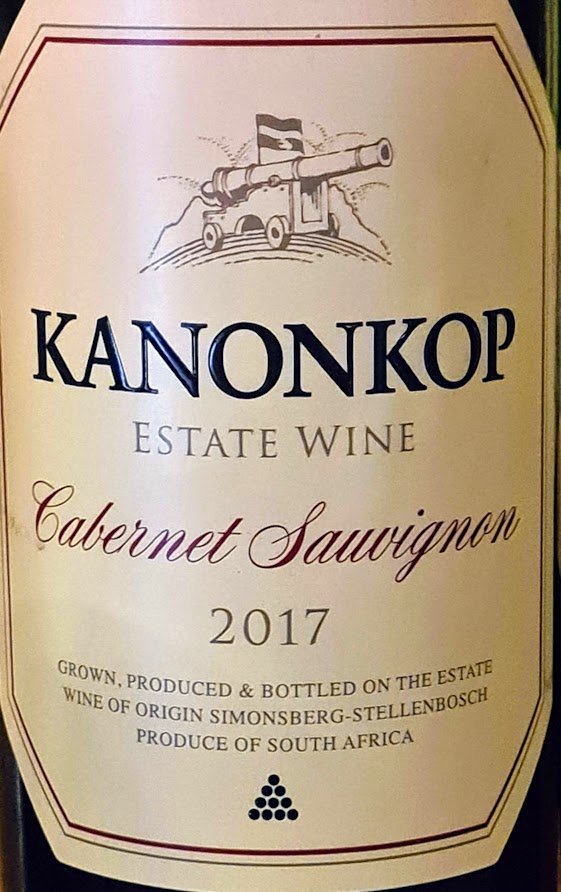 Kanonkop Cabernet Sauvignon 2017
To be released in October.
Matured for 24 months in French oak, 50% new. A classic nose showing a hint of reduction before cassis, violets, leafiness, and some tilled earth while the palate possesses extraordinary depth and structure – massive fruit concentration but no shortage of verve while the finish is super-long. It has also absorbed its time in oak well and the tannins are wonderfully supple. Tightly wound and yet no hardness, full but not weighty, just about complete. Alcohol: 14.94%.
CE’s rating: 97/100.
[insert-button id="KanonkopCabernetSauvignon"]
Kanonkop Paul Sauer 2018
Price: R770
70% Cabernet Sauvignon, 15% Cabernet Franc and 15% Merlot. Matured for 24 months in French oak, 100% new. Red currant, cassis, fresh herbs plus quite prominent vanilla and spice on the nose. The palate is relatively medium-bodied (alcohol is 13.91%) with good freshness and fine tannins. It’s elegant and restrained, a nicely judged offering from a vintage marked by uneven ripening and certainly not in the same league as either 2015 or 2017. A bit unresolved now, this will no doubt grow in stature over time as this cuvée always does.
CE’s rating: 92/100.
Check out our South African wine ratings database.
Help us out. If you’d like to show a little love for independent media, we’d greatly appreciate it. To make a financial contribution, click here. Invoice available upon request – contact info@winemag.co.za

The past fortnight has been a busy time for top wine trade professionals in London as the Decanter World Wine Awards (DWWA) sees most UK-based wine professionals seconded for duty to join the rigorous judging panels that assess thousands of wines from all over the world.
In a normal year, hundreds of Master Sommeliers, Masters of Wine, members of the wine trade, journalists and critics would fly into London to join their British colleagues tasting some incredible wines over an intensive but thoroughly enjoyable, fully emersed week.
However, with closed borders and Cov-id-19 travel restrictions reaping havoc globally, the London-based wine trade “leaders” have become somewhat of a scarce commodity as competing organisers from the International Wine Challenge (IWC), International Wine and Spirits Challenge (IWSC) and the Decanter World Wine Awards vie for the top judging talent based locally in the UK to join their teams. Once you commit to one or another organisation as a Panel or Regional Chair, you are contractually no longer allowed to offer your services to any of the other competitor competitions even as a basic panel judge.
With the help of slimmed-down judging panels and slightly longer tasting windows, 2020 first saw the new procedures put into practice to deliver another successful set of DWWA competition results. I can still remember the very first time I judged at the DWWAs… when I had just enrolled for my Master of Wine studies probably in the early 2000s. I was asked to list my “regions of experience” and fearing being dumped into a corner to taste South African wines all week, I registered my specialities as the same categories I was buying for my day job, namely South Africa, Bordeaux, California and Italy. I can hear the readers’ cringes and groans already! But I should explain that South Africa was still an “up and coming” wine country and while the submissions were extensive and the quality of the wines admirable, it did seem fairly hard work tasting South African wine all day for over 4 or 5 days when there were exciting categories beckoning such as Bordeaux or California.
The experiences of my early years judging at the DWWA taught me that jumping around various country panels was incredibly hard work, mentally and sensorily very draining and also lacked the accumulative camaraderie of a panel that grows to know each other and increasingly shares more and more risque banter as the week of judging progresses.
Nevertheless, those early days saw me tasting side by side with some illustrious wine trade figures such as Andrew Jefford and Steven Spurrier, people whose influence and hard work has helped shape the modern wine trade that we now all know and love. Needless to say, in the following years when I returned to judging at the DWWAs, I was very happy to dedicate my talents solely to judging South African wines. It was an area of comfort and knowledge easily navigated and I was able to contribute more than your average panel taster. Those were of course lofty days as the South African panel was lead by none other than the famous John Avery MW, another legend of the wine trade and of course a gentleman who worked tirelessly to help put South Africa’s finest wines on the global map through family wine merchant Avery’s of Bristol. It was a true privilege and honour to judge alongside someone as experienced as John.
As the years have passed, I have had the annual opportunity to judge an increasingly exciting and dynamic array of South African wines alongside some illustrious subsequent Panel Chairs such as Lynne Sherriff CWM MW and also more latterly, the highly talented and much loved, Fiona McDonald, the ex-editor of Wine Magazine South Africa who served a valiant eight years in the top job. I’ve always struggled to commit to the time required to act as a Panel Chair and so have normally settled for judging only three or four days every year as a normal judge. But in these Covid-19 times, and with a South African specialist called for, last year I finally answered the call from Decanter and with a slightly more flexible judging schedule presented, agreed to assume the “Acting-Panel Chair” title for South Africa, which of course I regarded as a great honour.
Nowadays, unlike the early years of the noughties, the South African category not only sees one of the largest submissions of all countries involved in the DWWAs but has also over the past five to eight years seen some of the most accolades awarded, whether Bronze, Silver or Gold medals. The comparison between the quality of the wines submitted now and those of 2003 bear no resemblance whatsoever. The quality of wines tasted over the past two or three years have reached heights I could never have imagined 10 or 15 years ago.
As Acting-Panel Chair, it is one’s job to help guide and collate the overall scores over 8 to 10 days of judging but also facilitate the process by which fellow panel judges can accurately assess and critique the wines presented so as to reach the most accurate and agreeable results. I can honestly say, after reflecting on the tastings of the past two years, I must have one of the easiest jobs amongst all of the Decanter Country Panel Chairs. The quality of wines across the board has never been higher and the 2021 submissions have been an absolute pleasure to judge. Tasting alongside top judging talents such as Waitrose’s leading South African wine buyer Victoria Mason and seasoned South African visitor and top wine journalist Peter Ranscombe have made the judging process seamless and decisive with an incredibly homogenous, tight range of scoring recorded flight after flight. This of course I ascribe to not only the talented judges I have had at my disposal but also the consistent quality of both red and white wines from across the style spectrum, from entry-level sub-£9.99 retail right up to the super-premium boutique icons at £50+.
After a long day of tasting, tradition has it that the judges congregate for a cleansing ale in either the Decanter lounge or outside in the beer garden to discuss and compare notes. While many judges emerge looking drawn and fatigued, the South African panel judges always emerge invigorated and with a positive spring in their step, riding the high of knowing that some incredible wines have been submitted and that the best of the best have been identified and rewarded. The South African category has never been stronger and the quality has never been higher. Raise a glass to our hard-working Cape vignerons in these tough times and be proud of their efforts. I certainly know I am.
Help us out. If you’d like to show a little love for independent media, we’d greatly appreciate it. To make a financial contribution, click here. Invoice available upon request – contact info@winemag.co.za
This year’s Merlot Report sponsored by multinational financial services company Prescient is now out. There were 55 entries received from 45 producers and these were tasted blind (labels out of sight) by a three-person panel, scoring done according to the 100-point quality scale.
The 10 best wines overall are:
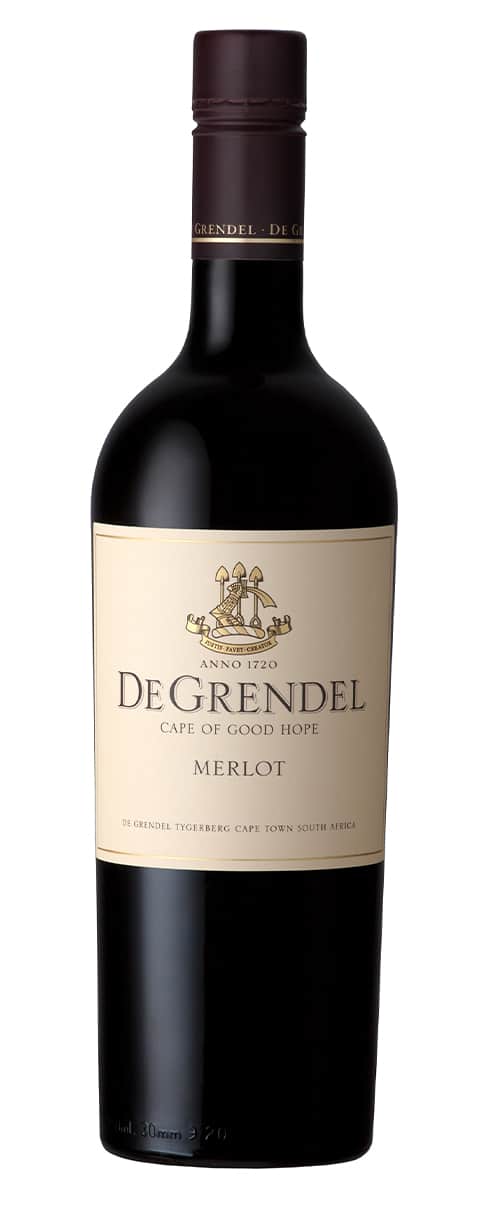
De Grendel 2019
Price: R160
Wine of Origin: Cape Town
Abv: 14.79%
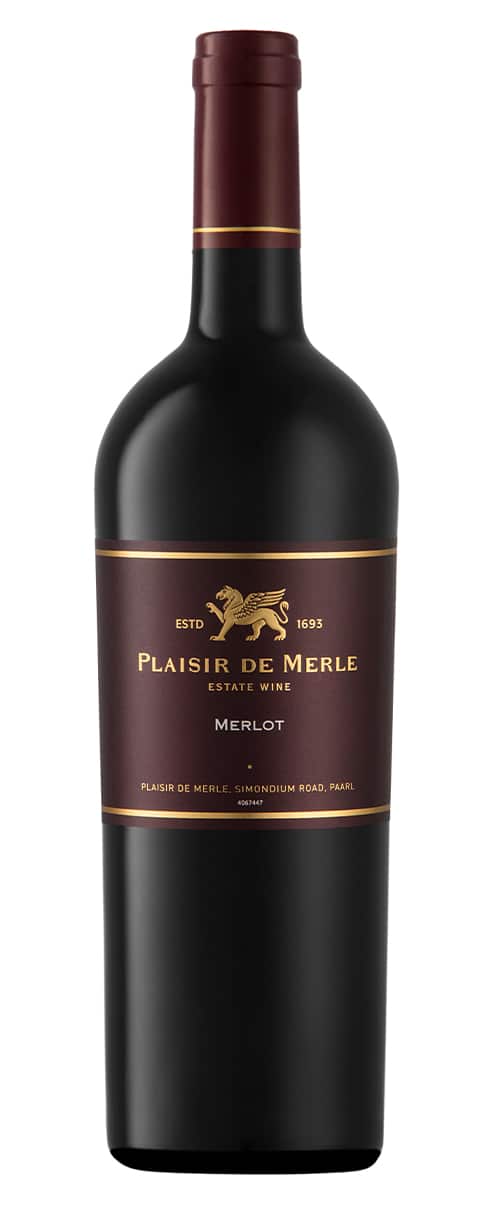
Plaisir de Merle 2018
Price: R180
Wine of Origin: Simonsberg Paarl
Abv: 14.25%
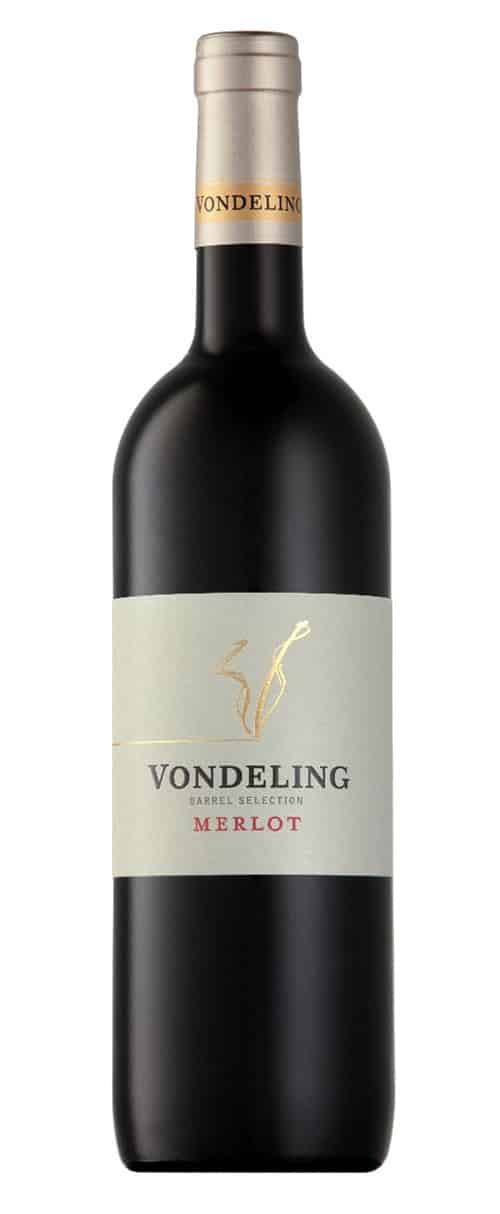
Vondeling Barrel Selection 2018
Price: R160
Wine of Origin: Voor Paardeberg
Abv: 13.7%
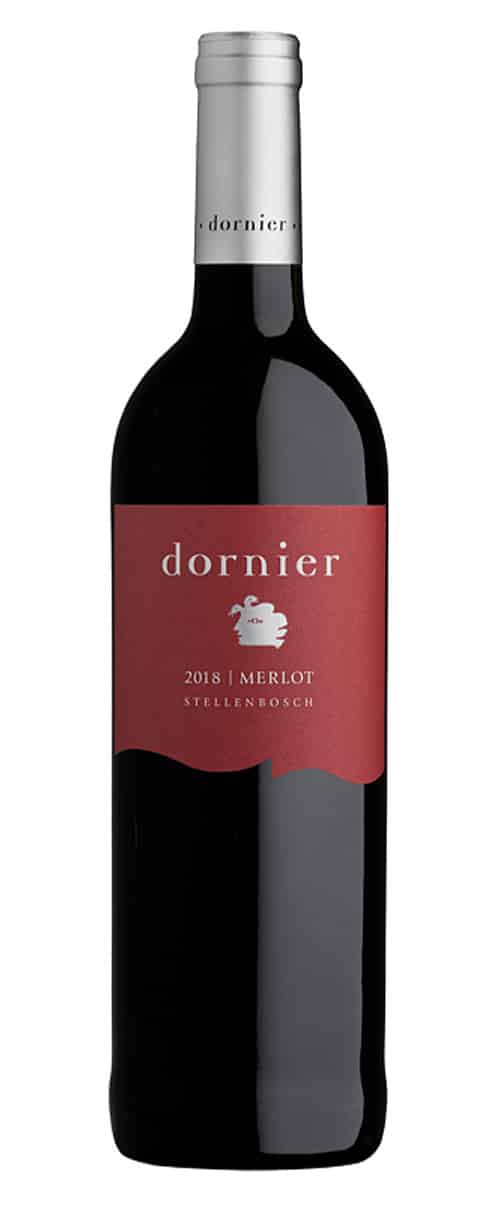
Dornier 2018
Price: R160
Wine of Origin: Stellenbosch
Abv: 14.8%
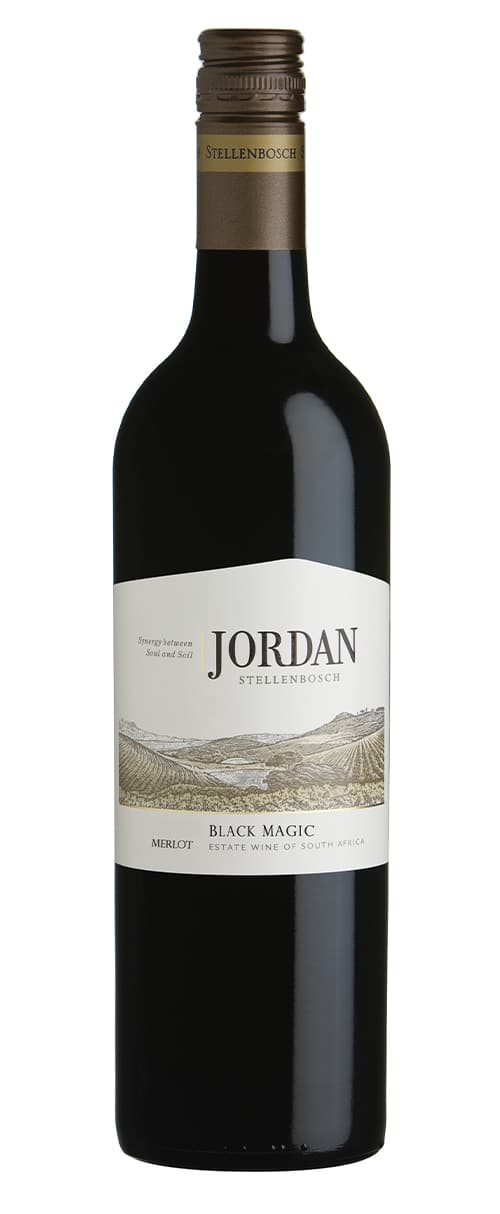
Jordan Black Magic 2018
Price: R190
Wine of Origin: Stellenbosch
Abv: 13.5%
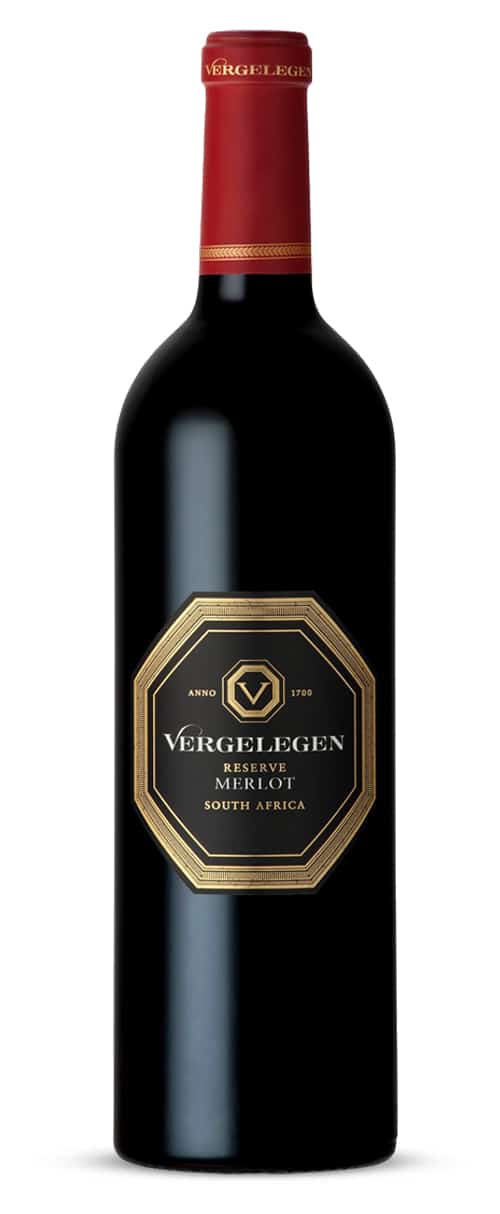
Vergelegen Reserve 2016
Price: R270
Wine of Origin: Stellenbosch
Abv: 14.8%
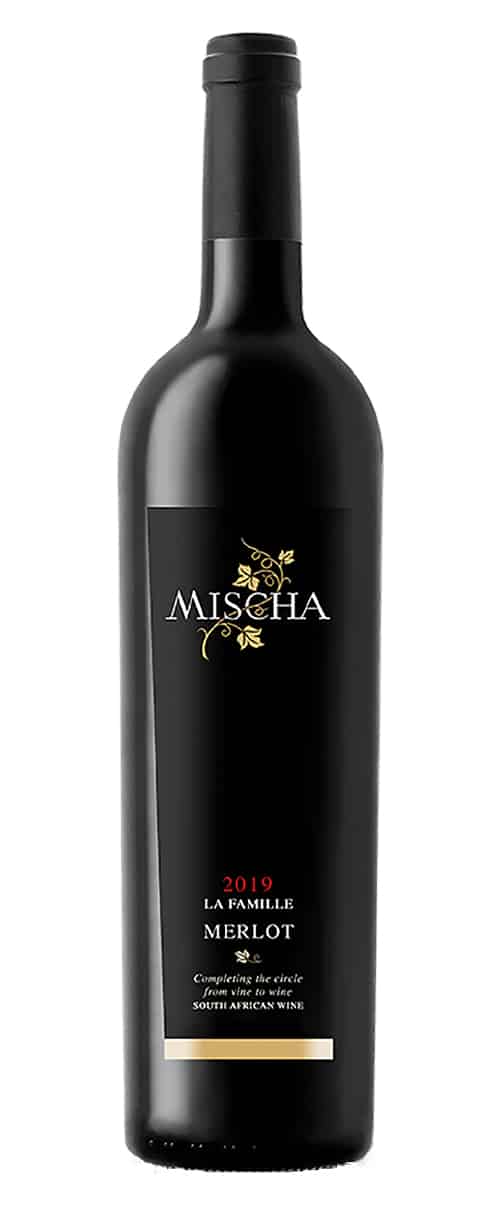
Mischa La Famille 2019
Price: R110
Wine of Origin: Western Cape
Abv: 13.66%
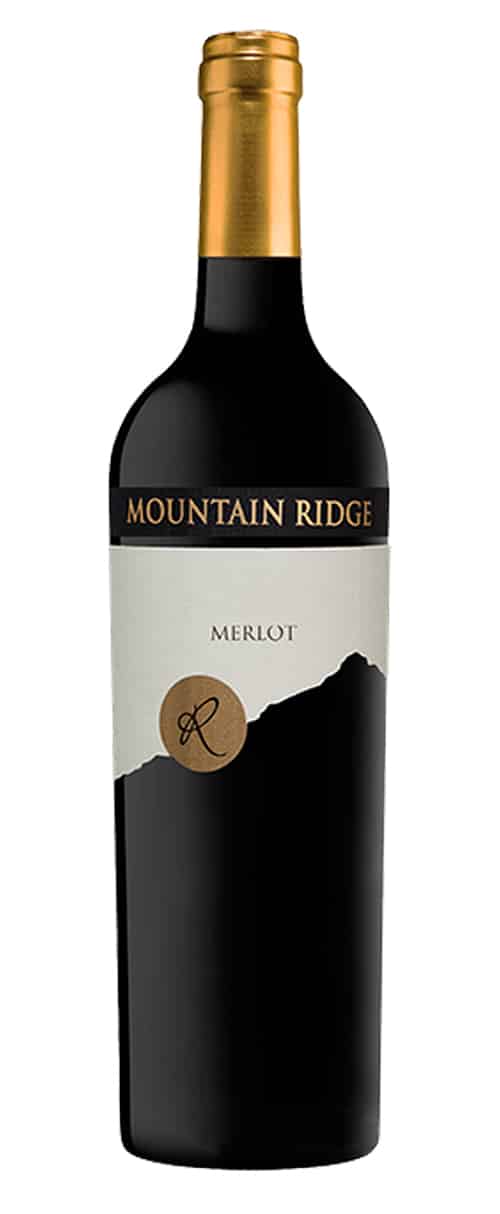
Mountain Ridge 2018
Price: R85
Wine of Origin: Breedekloof
Abv: 14.5%
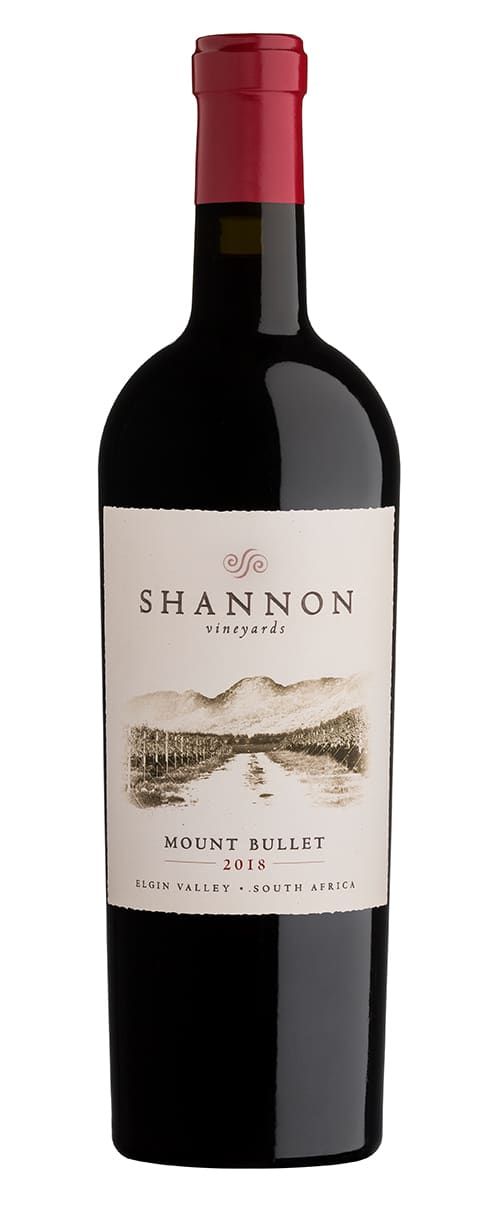
Shannon Mount Bullet 2018
Price: R495
Wine of Origin: Elgin
Abv: 14.67%
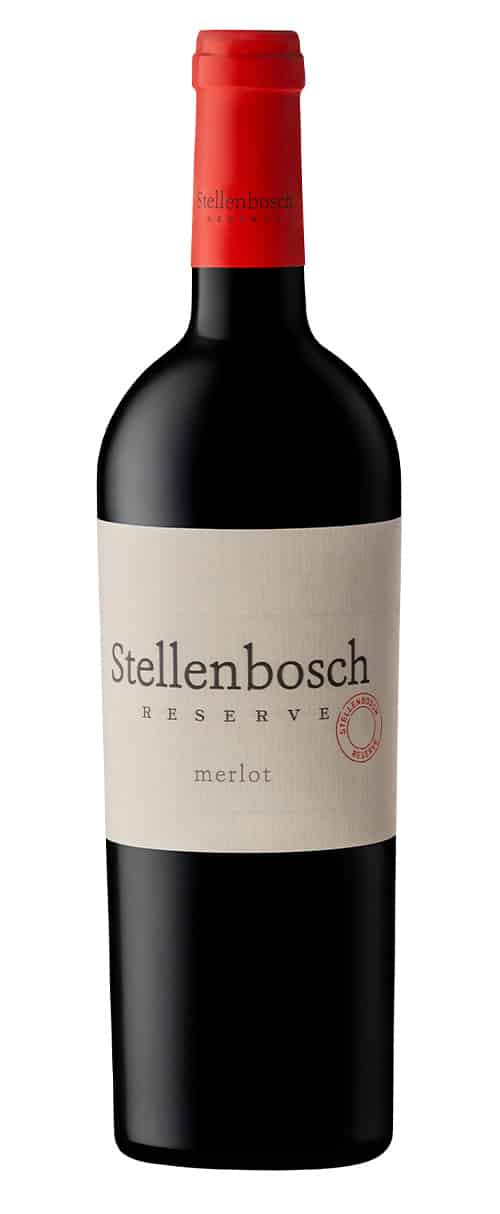
Stellenbosch Reserve Kweekskool 2019
Price: R160
Wine of Origin: Stellenbosch
Abv: 14.25%
Merlot is the most widely planted variety in Bordeaux, especially celebrated for the role it plays in the great wines of St-Émilion and Pomerol. It is early ripening and typically adds flesh and roundness to a blend, thus complementing Cabernet Sauvignon, which is late-ripening and usually more austere.
In the rest of the world, Merlot competes only with Cabernet Sauvignon as the most planted dark-skinned grape variety. It has a huge popular following, most likely due to its reputation for being smooth textured rather than possessing any particular flavor. Its detractors, meanwhile, accuse it of making safe but dull wine.
In South Africa, it is the eighth-most planted variety (behind Chardonnay and ahead of Ruby Cabernet), making up 5.8% of the total area under vineyard.
The average cellar-door price of the Top 10 is R197 a bottle. Offering the best quality relative to price is Mountain Ridge 2018 with a rating of 90 and selling for R85 a bottle.
The “Discovery of Report” serves to recognise previously unsung wines.
Mischa La Famille 2019
Brothers Andrew and Gary Barns run a substantial vine nursery on their Wellington property Mischa but they have for some time now also made their own wine. “La Famille” is their entry-level range, this Merlot 2019 combining own fruit with that sourced from Swartland.
To read the report in full, including key findings, tasting notes for the top wines and scores on the 100-point quality scale for all wines entered, download the following: Prescient Merlot Report 2021
Johannesburg boutique wine retailer Dry Dock Liquor is offering some of the wines in the Top 10 for sale and can deliver nationwide – buy now.
Online retailer Wine-of-the-Month Club is offering a six-bottle mixed case selected from the Top 10 – buy now.
The Clan is the top-end offering from Stellenbosch property Villiera which is premised on breaking all the rules – the maiden vintage 2015 being an 87:13 blend of Cabernet Franc and Carignan that had an alcohol of 15.29% and succeeded precisely because of its intensity (CE’s rating: 93/100 – see here).
Currently available is the 2016, a blend of 90% Cabernet Franc and 10% Carignan and while the alcohol is more moderate at 14.25%, it reflects what a challenging vintage this was. Undergrowth and earth accompany red and black berries plus some herbal character on the nose while the palate is deep to the point of chunky. Price: R895 a bottle.
CE’s rating: 90/100.
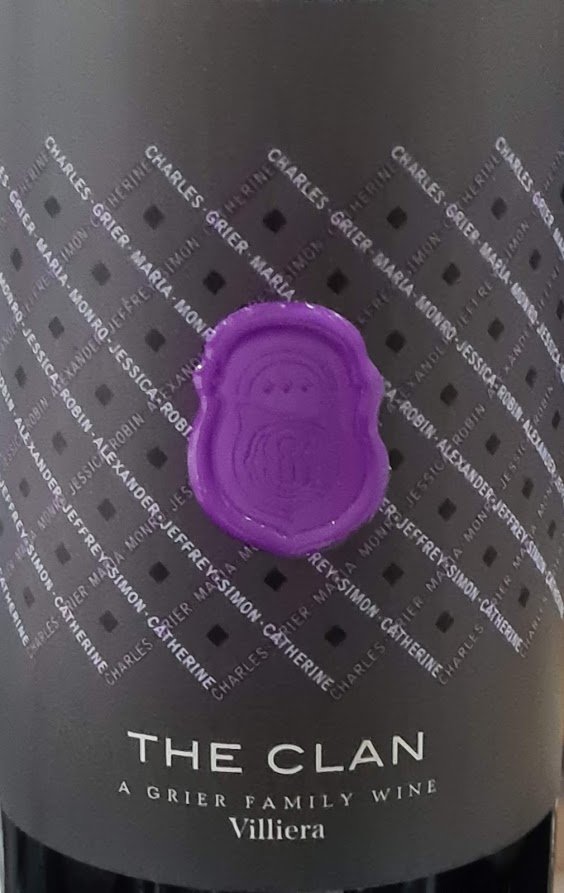 The soon-to-be-released 2017 is the most readily pleasing wine to date. A blend of 85% Cabernet Franc and 15% Carignan, maturation lasted 18 months in French oak, 60% new. The nose is fragrant with notes of red and black berries, violets and fresh herbs plus some pencil shavings while the palate is medium bodied and nicely balanced – lovely fruit purity, bright acidity and fine tannins, the finish long and dry. Alcohol: 14.28%.
CE’s rating: 93/100.
Check out our South African wine ratings database.
Help us out. If you’d like to show a little love for independent media, we’d greatly appreciate it. To make a financial contribution, click here. Invoice available upon request – contact info@winemag.co.za
Subscribers receive daily reviews and in-depth reports before release to the public. Cancel any time.
