
Melvyn Minnaar: Remembering D.J. Opperman, his poetry and enduring love of wine
By Melvyn Minnaar, 2 February 2026
-
Share:




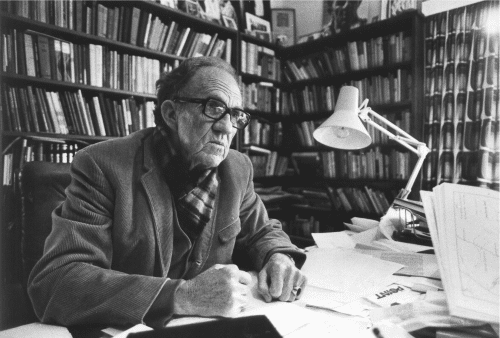
My poetry professor drank himself to death. So the gossip went. Red wine. Other students and colleagues suggested he polished off six bottles a day. The liver couldn’t deal with it, and the mind, well…
I’m not sure that the cause of his death is a fact or even possible, but I remember fondly the red wine. And the poetry.
Last week, it was exactly 50 years ago that Die Burger reported that Afrikaans poet and professor, D.J. Opperman, was admitted to the Tygerberg Hospital with a serious liver illness and in a coma.
No, he wasn’t drinking on the job. After hours, postgrads like me went across the campus to his house in an artistically named street for ‘tuition’. In his generous study-library, we sat with the great man for consultations about what we were supposed to be researching or writing with insight and flair.
Then, to the delight of our young hearts and minds, he would ask: “Would you like some wine?”
What else could the answer be. He would point to the side table next to the chair and say: “Help yourself.”
He had his bottle of Rooderust – a delightful red blend, a kind of ‘affordable secret’ – and I had mine, both neatly positioned on coasters, pleasantly large glasses at hand. We could talk poetry or life or how delightful the wine in the glass was. He knew his stuff and shared it liberally.
The great poet, himself not a minor wine-lover, had a year or two previously edited one of the landmark wine publications on South African wine: a lush, coffee-table tome in celebration of the KWV’s 50th anniversary.
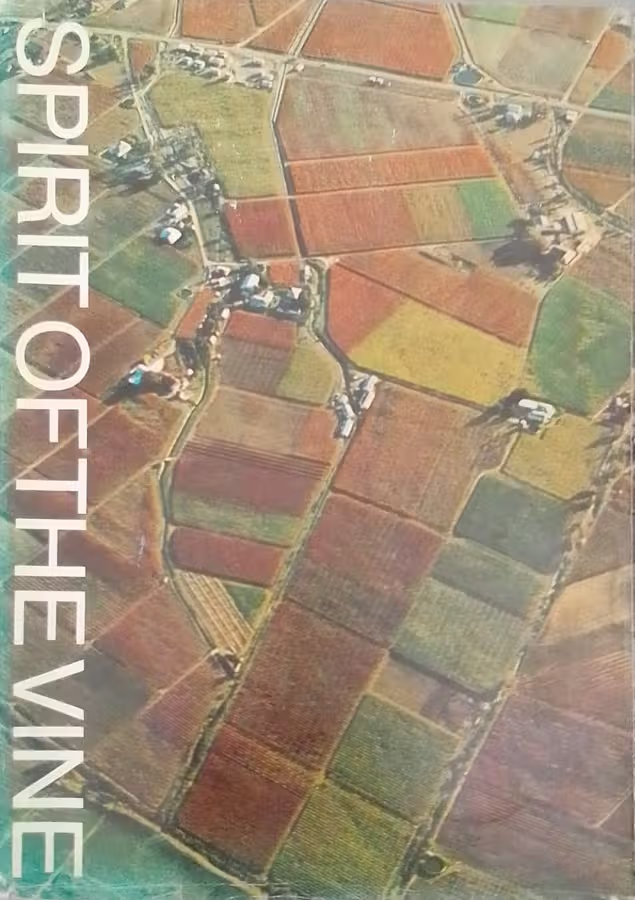 The book, Spirit of the Vine, is a remarkable celebration of wine’s role in the production of poetry, architecture, art, music, history and all things cultural. From this distance, of course, one cannot escape the gentle colonial cultural thread, but Opperman had enlisted a number of top experts, and it remains a glorious read, with delightful pictures.
Opperman himself contributed a magnificent chapter on literature and wine in the South African context. It is thoughtful and detailed and was published, grandly, in Afrikaans and English.
Look out for a second-hand copy in antique bookshops. It is a prestige publication, elegantly designed, with no costs spared on production. The paper is a fancy Italian Cartiere Burgo-mat, the text printed in beautiful Plantin. It cost R13.50 in 1968.
Of courses, there is a photograph of the editor with a glass of wine in hand.
Memories of my vinous interaction with Opperman return often when I take to one of his poetry books, look at the small, humble signature he made for me on the title page. Inside the words sparkle, play and tease.
Then I wonder about the role of those bottles of red wine in the crafting of the clever, engaging sharp sentences on the poet’s page. To my mind, wine and word share a remarkable creative intimacy.
Hand-written manuscripts of poems are often interesting for how small changes made by the poet bring the spark, the right turn of phrase, the perfect word fit. Could it be that the comfort of the cabernet, mellow merlot or the pleasure of pinotage, plays a role? I don’t doubt that.
But looking again, in memory of my professor, at the Spirit of the Vine nearly six decades later, it struck me how tightly the fit of creativity and culture with the production and enjoyment of wine. Lines are drawn not only with visual arts and architecture (super chapter in the book), but also music (another brilliant essay by the late musicologist Jan Bouws) and, naturally, the history and craft of food.
So little of this seems to be in play in contemporary marketing. And it is puzzling because it is so obvious.
Footnote: D.J. Opperman miraculously returned from near-death and resumed his job at Stellenbosch University in 1977. Two years later he published his poetry book titled Komas uit ‘n Bamboesstok. Many regard it as the finest Afrikaans poetry ever.
- Melvyn Minnaar has written about art and wine for various local and international publications over the years. The creativity that underpins these subjects is an enduring personal passion. He has served on a few “cultural committees”.
-
Share:

Related articles
Opinion & Analysis
Melvyn Minnaar: Art, wine and their shared history of deceit
3 November 2025
Whenever a wise guy pooh-poohs my fierce argument about the parallels between art and wine, I point out how these two human productive endeavours share a history of mischief. “Creative...

1
Opinion & Analysis
Melvyn Minnaar: Those quirky international wine days
1 July 2025
A few weeks or days ago it was International Potato Day. I didn’t know about it. Perhaps you did – I mean we are all fans of the mashed, the...
Opinion & Analysis
Melvyn Minnaar: A reawakening for Stellenbosch – wine, culture, and the Triennale
1 May 2025
In a different era, there would have been cheer, perhaps some pleasant collegial backslapping, but certainly a limited-release wine with a special (arty) label. If it was still alive, SFW...
Comments
0 comment(s)
Please read our Comments Policy here.