This year’s Sauvignon Blanc Report sponsored by multinational financial services company Prescient is now out. There were 78 entries received from 55 producers and these were tasted blind (labels out of sight) by a three-person panel, scoring done according to the 100-point quality scale. In addition, there were 19 Sauv-Sem blends entered.
The 10 best are as follows:
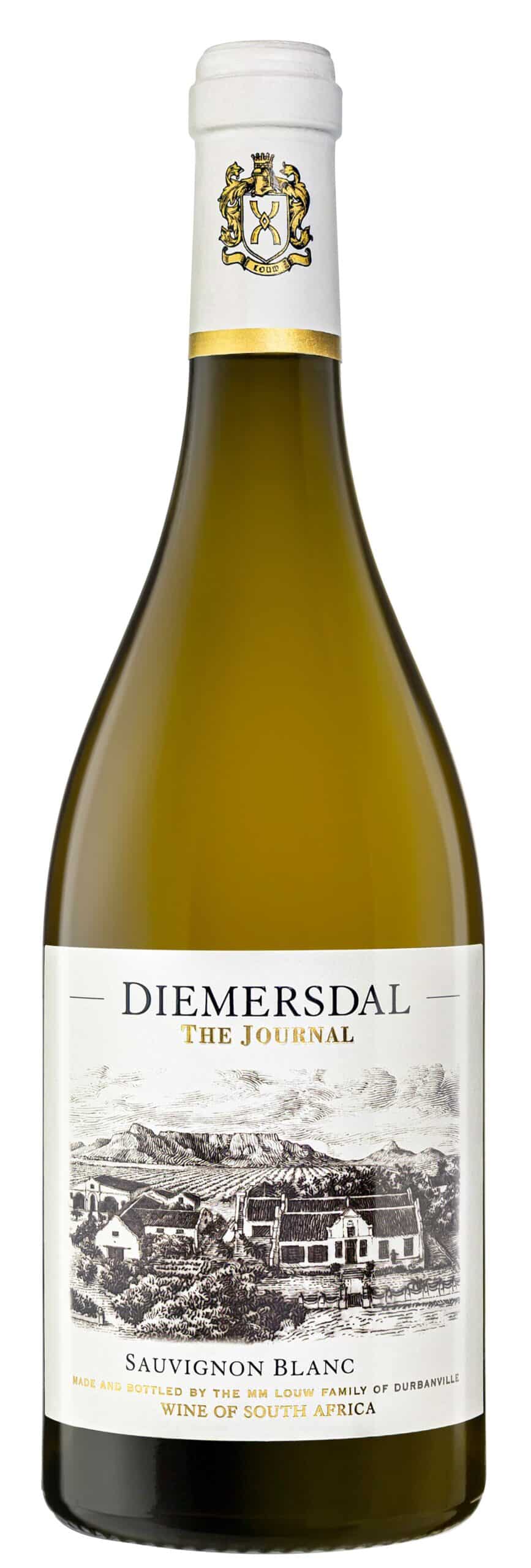
Diemersdal The Journal 2024
Price: R355
Wine of Origin: Durbanville
Abv: 13.11%
Winner of shipping services worth R10 000 from Aspiring Couriers.
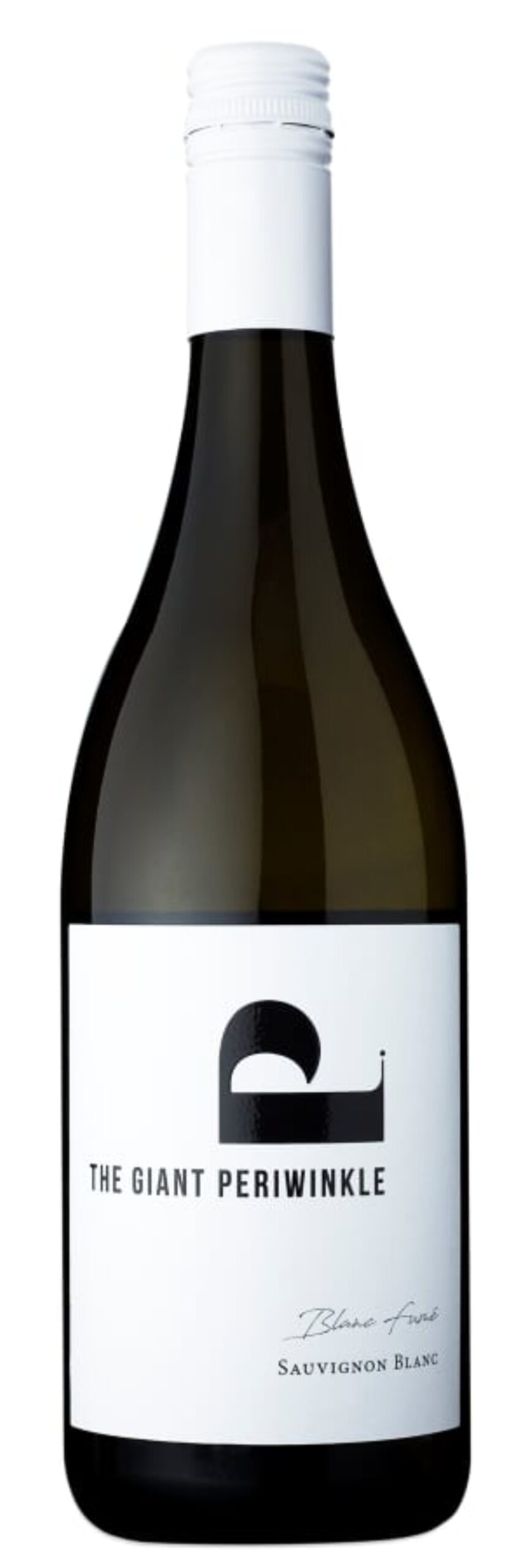
The Giant Periwinkle Blanc Fumé South 2022
Price: R310
Wine of Origin: Cape Agulhas
Abv: 12.5%
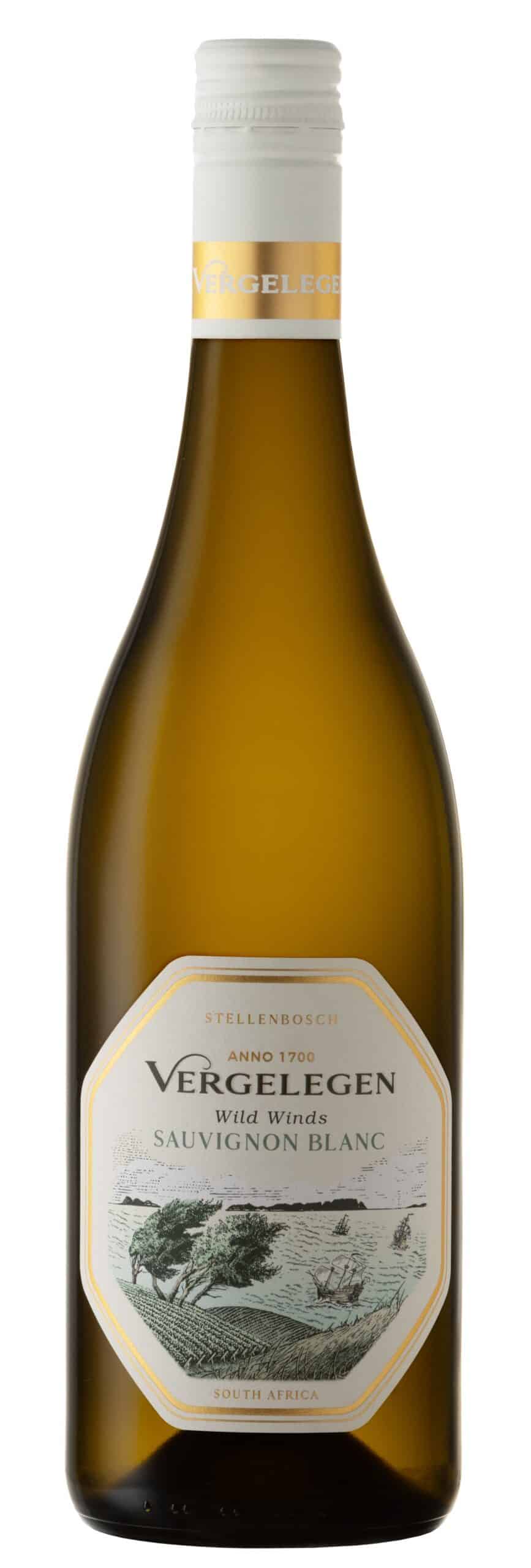
Vergelegen Wild Winds 2024
Price: R155
Wine of Origin: Stellenbosch
Abv: 13.5%
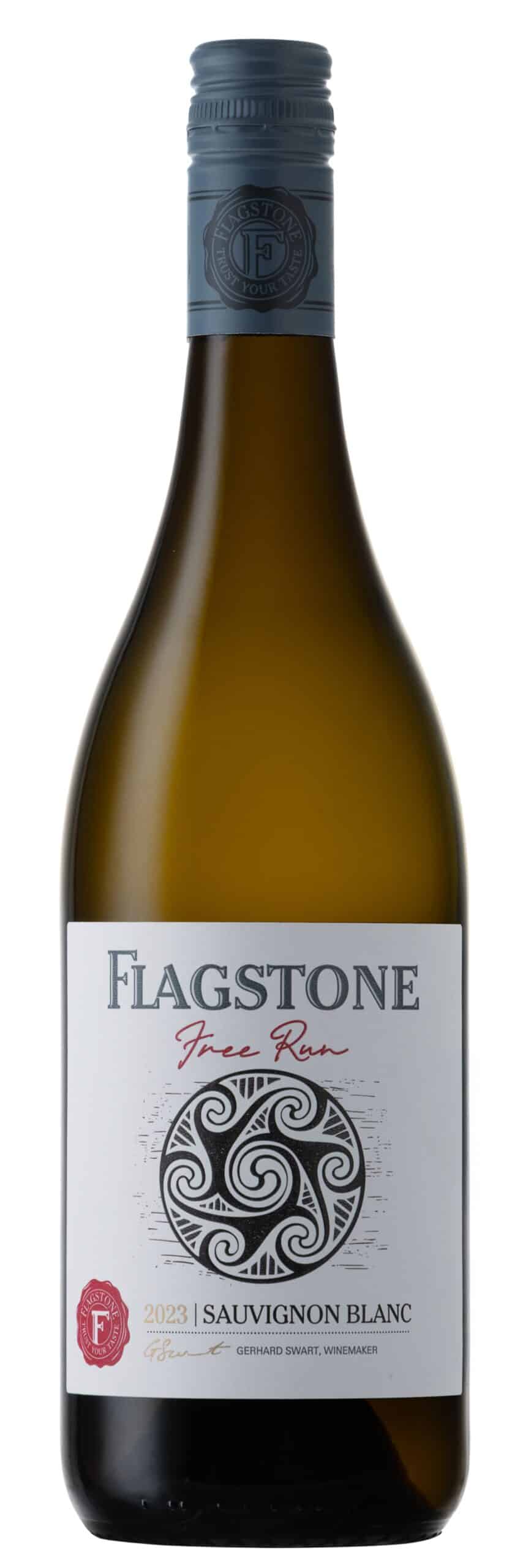
Flagstone Free Run 2023
Price: R140
Wine of Origin: Cape Coast
Abv: 13.5%
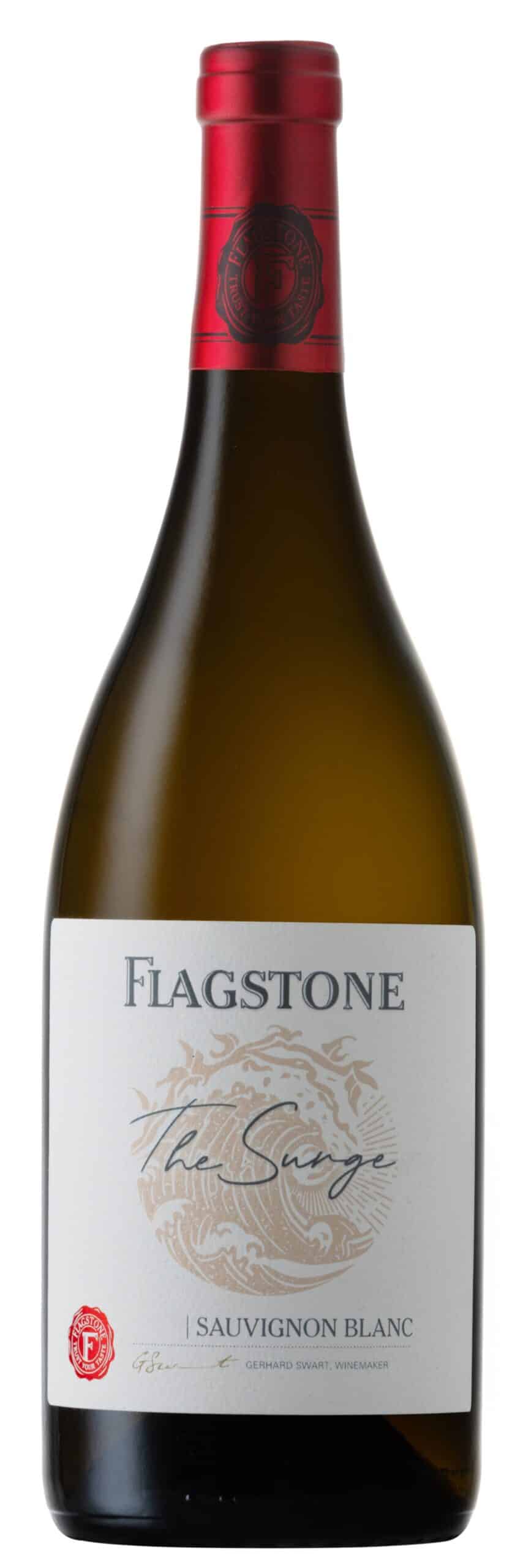
Flagstone The Surge 2024
Price: R230
Wine of Origin: Darling
Abv: 13.5%
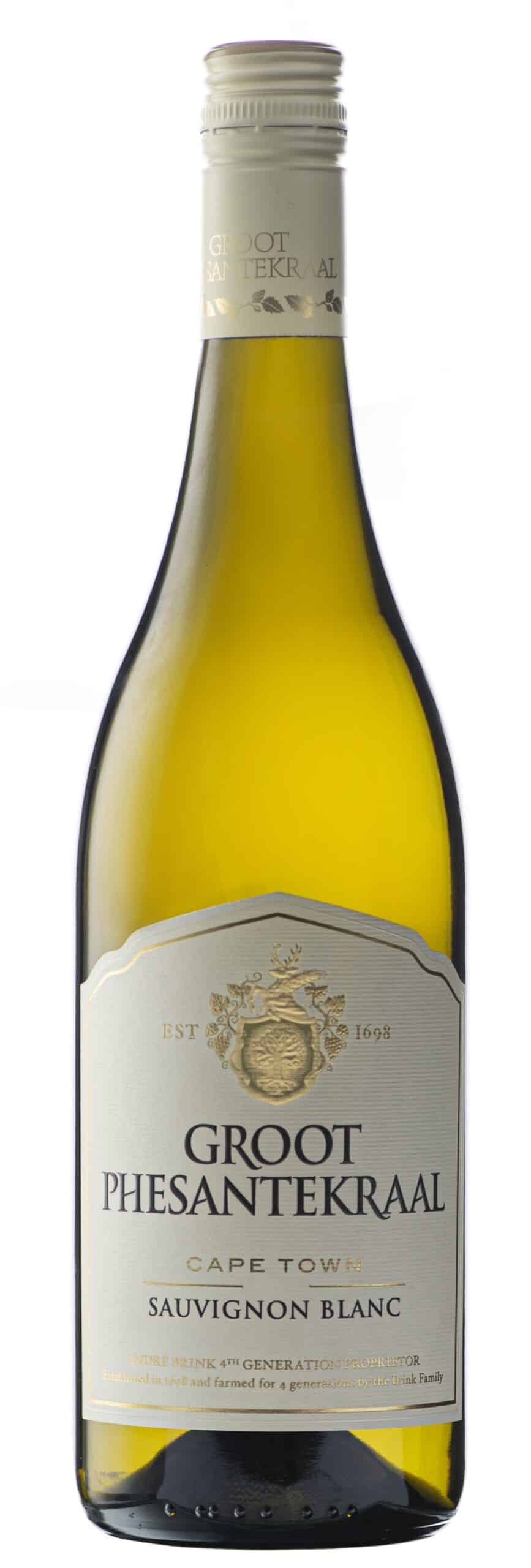
Groot Phesantekraal 2025
Price: R115
Wine of Origin: Cape Town
Abv: 13.54%
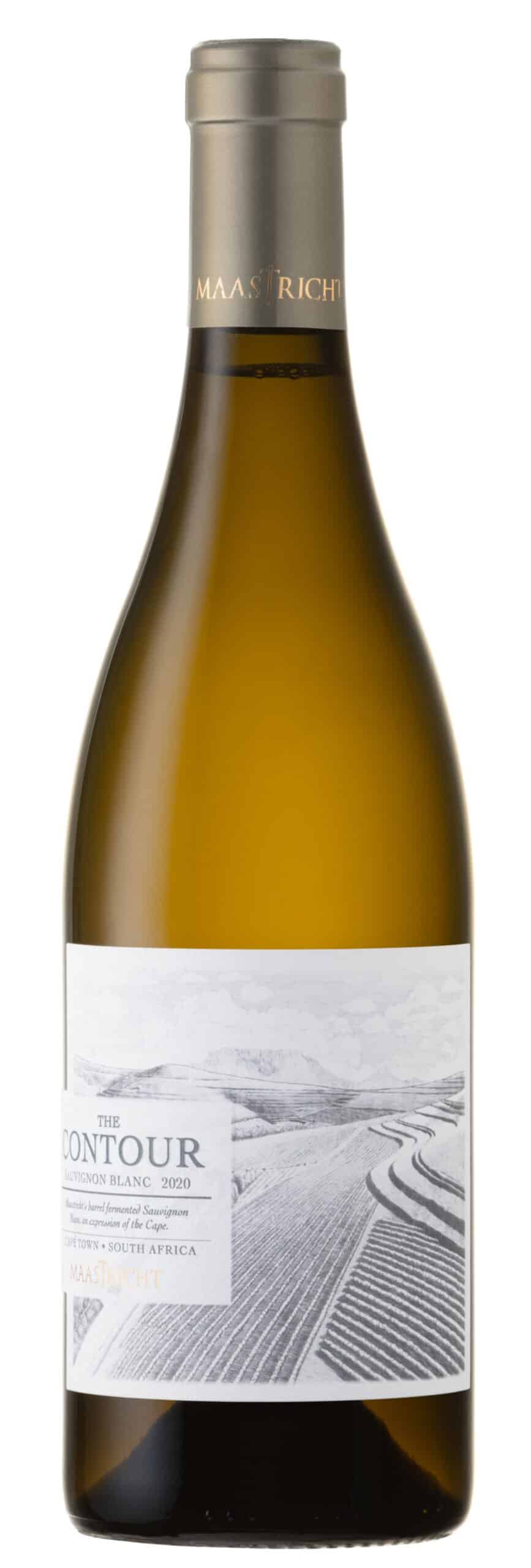
Maastricht The Contour 2024
Price: R240
Wine of Origin: Cape Town
Abv: 13.64%
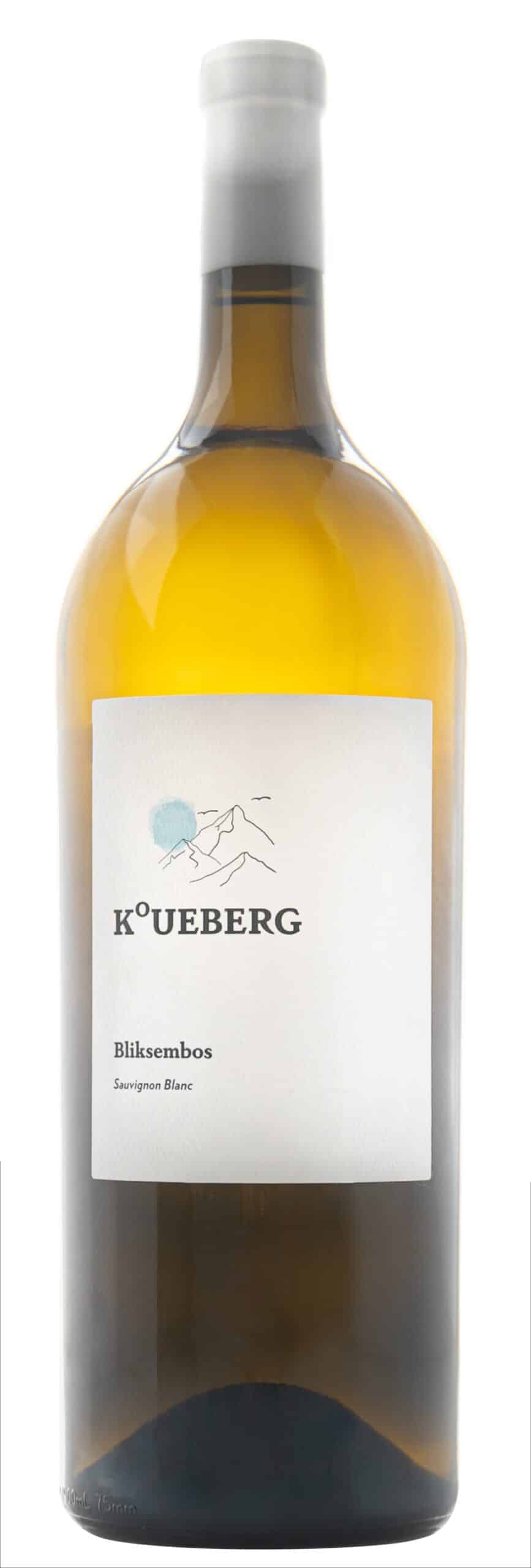
Koueberg Bliksembos 2023
Price: R130
Wine of Origin: Cape South Coast
Abv: 13%
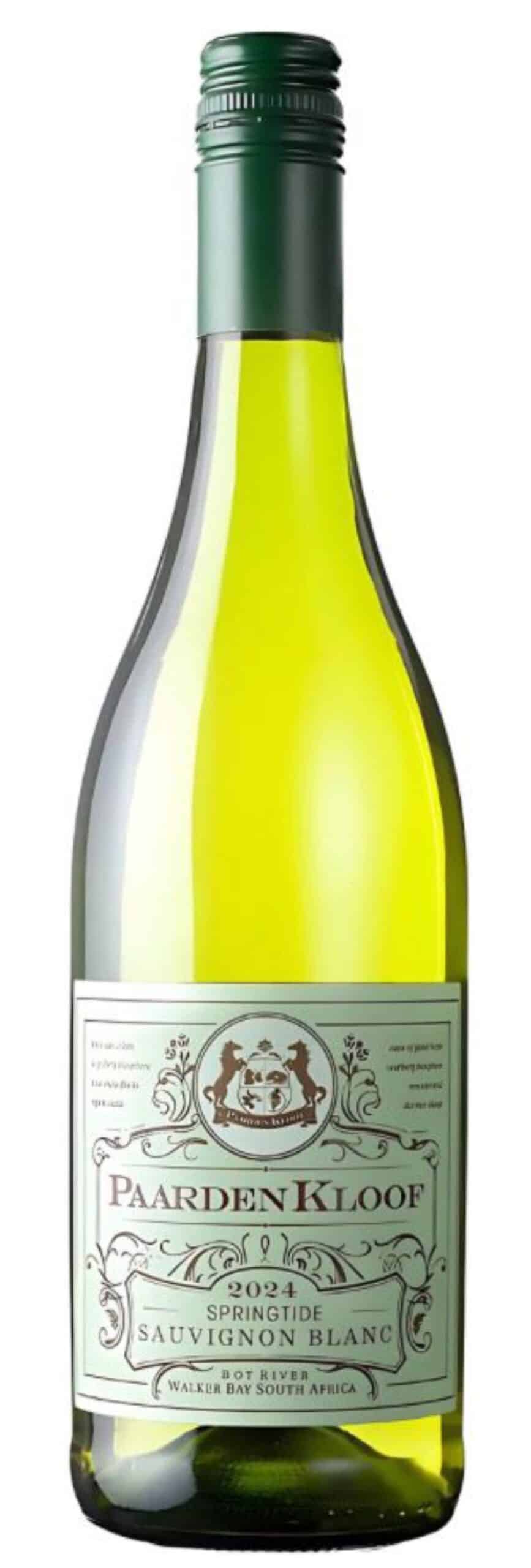
PaardenKloof Springtide 2024
Price: R210
Wine of Origin: Bot River
Abv: 13.55%
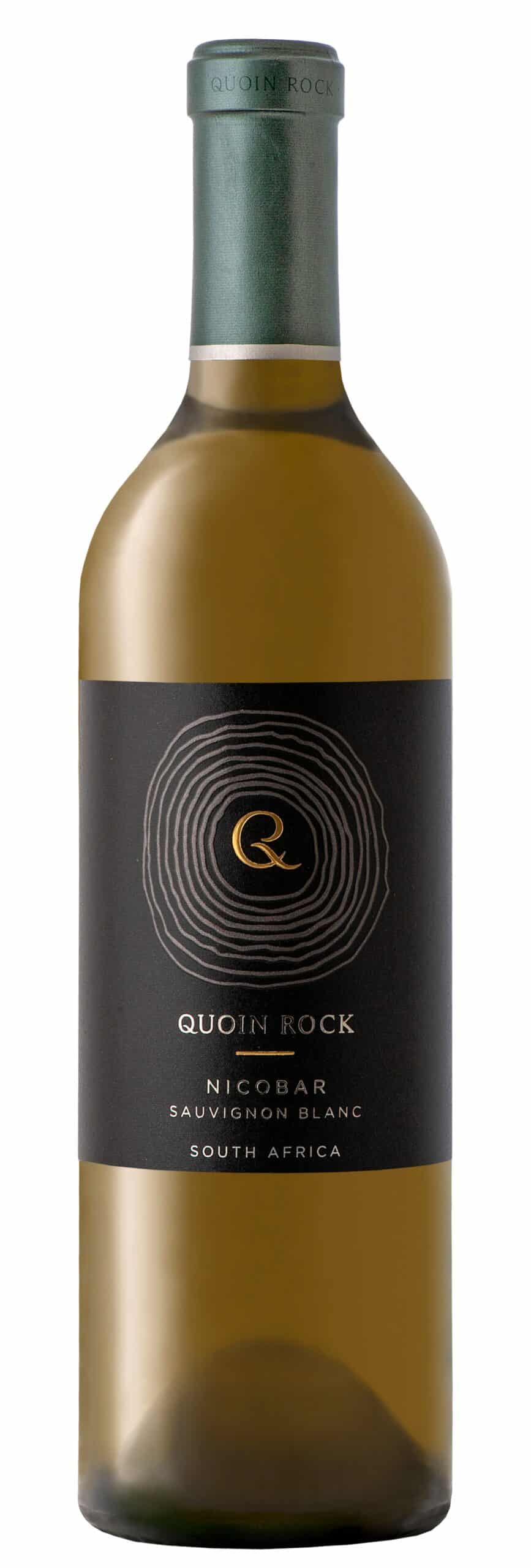
Quoin Rock Nicobar 2024
Price: R520
Wine of Origin: Cape Coast
Abv: 13.33%
The four best are as follows:
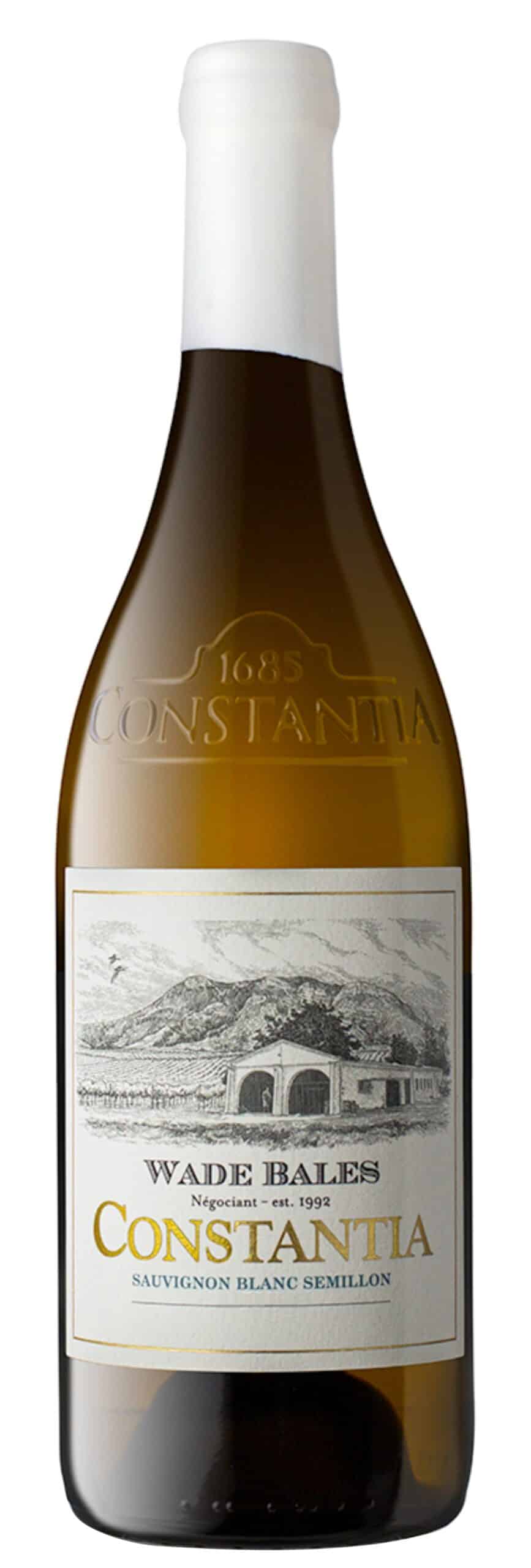
Wade Bales Regional Series Constantia White 2023
Price: R250
Wine of Origin: Constantia
Abv: 13.33%
Winner of shipping services worth R10 000 from Aspiring Couriers.
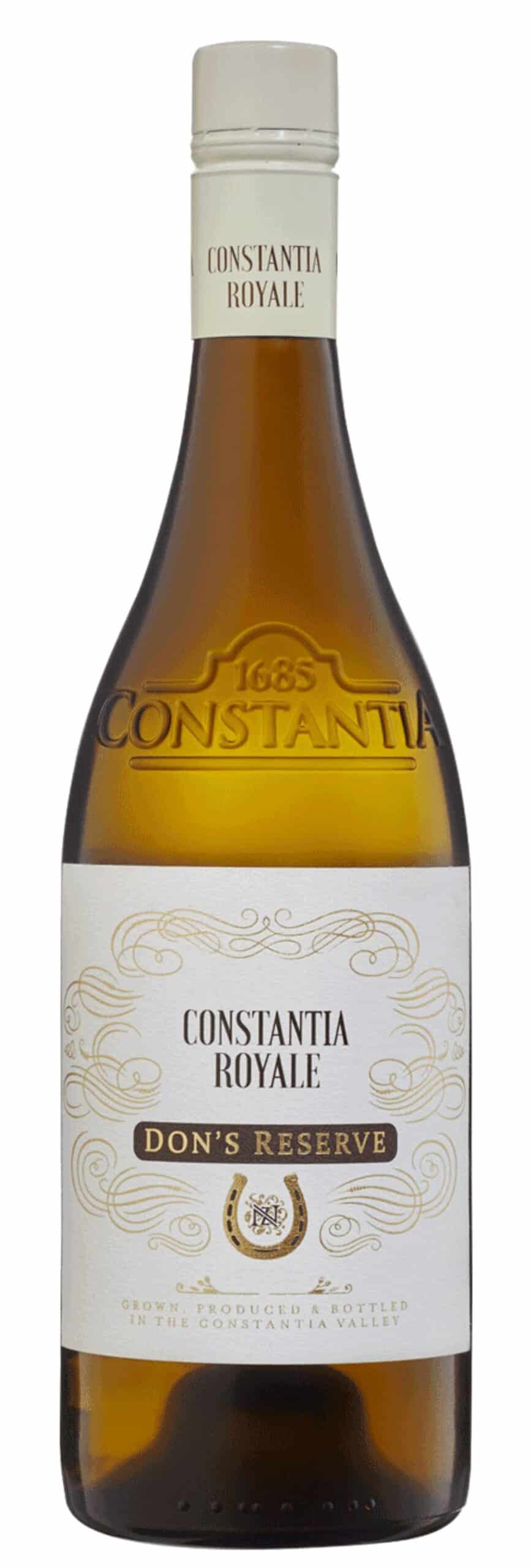
Constantia Royale Don’s Reserve 2023
Price: R325
Wine of Origin: Constantia
Abv: 13.89%
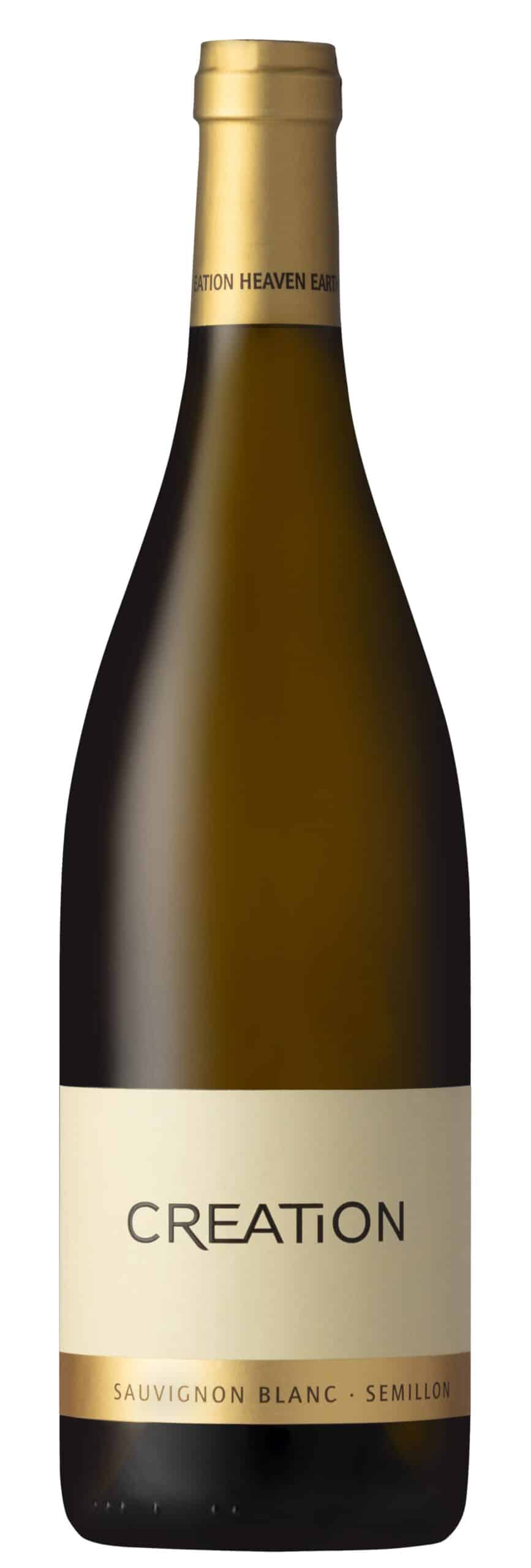
Creation Sauvignon Blanc Semillon 2024
Price: R235
Wine of Origin: Walker Bay
Abv: 13.5%
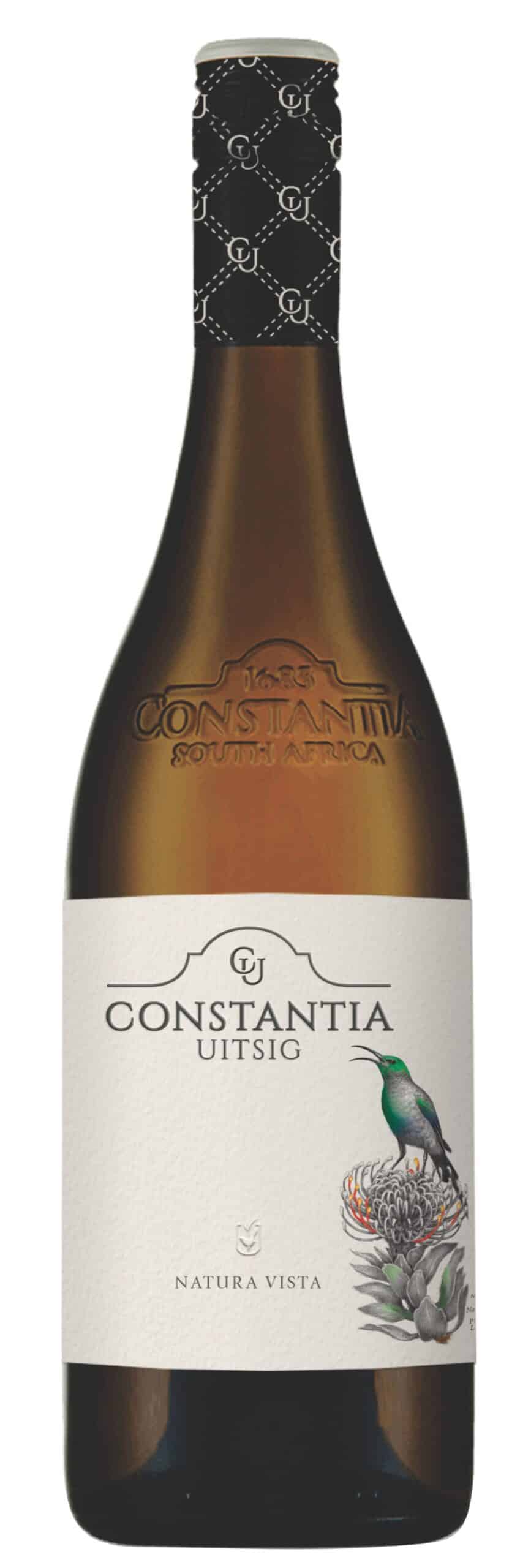
Constantia Uitsig Natura Vista 2024
Price: R205
Wine of Origin: Constantia
Abv: 13.5%

Online wine shop Getwine is offering all of the top wines for sale – buy wine.
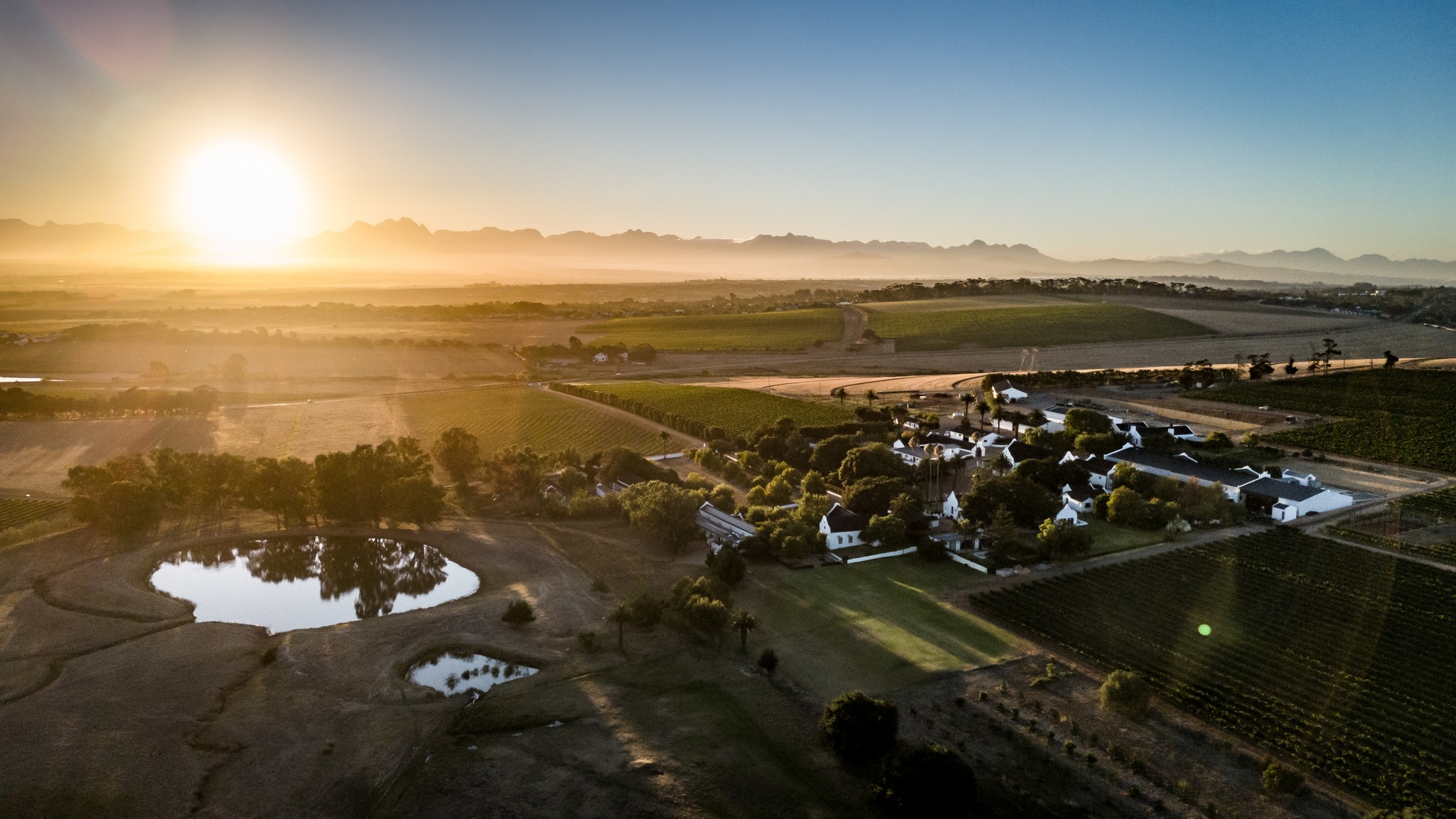
Sauvignon Blanc is an extremely popular variety that typically makes aromatic, crisp, dry and extremely distinctive wines all over the world. The appellations of Pouilly-Fumé and Sancerre in the central France’s Loire Valley produce benchmark versions of the variety while New Zealand has also become closely associated with it in modern times. In Bordeaux, meanwhile, Sauvignon is frequently blended with Semillon to good effect.
Most Sauvignon Blanc is fermented at relatively low temperatures in stainless steel with the intention of preserving as much primary fruit as possible. Picking dates and winemaking have a huge influence on style, but the best examples provide a recognisable sense of place, too. Barrel fermentation and maturation as well as the addition of Semillon are two ploys to provide the wines from the variety with extra depth and complexity.
The average price of the 33 wines to rate 90-plus is R212 a bottle and of the Top 10 is R241.
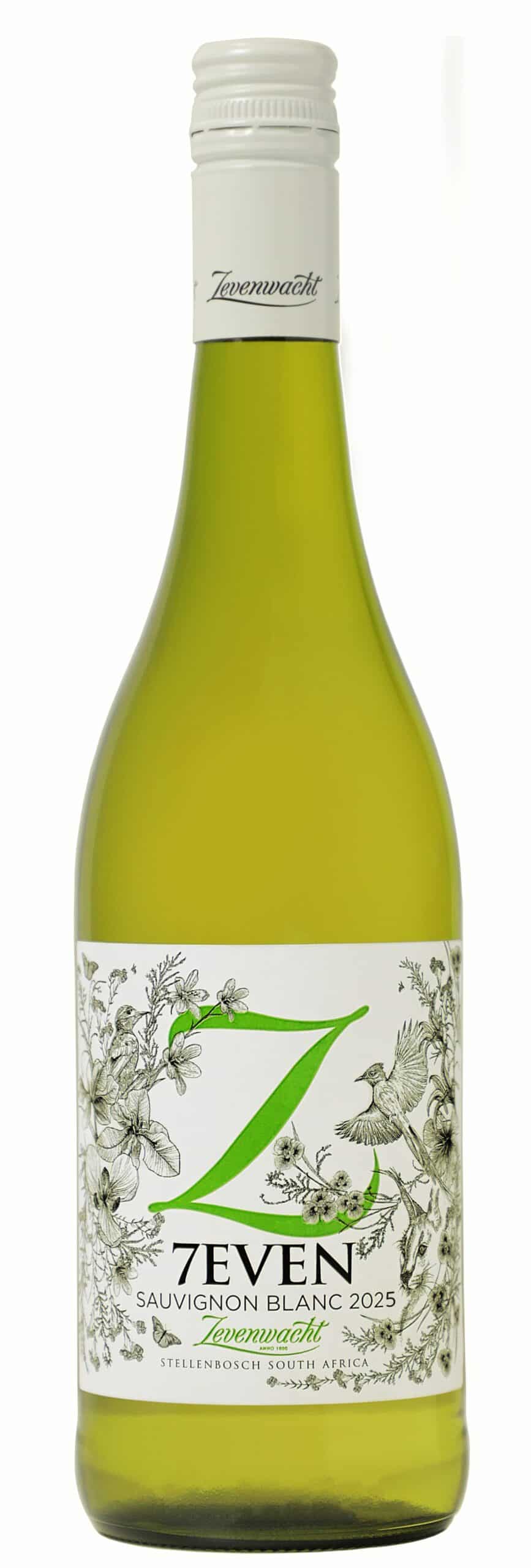
Offering best quality relative to price is Zevenwacht 7even 2025 with a rating of 90 points and selling for R95 a bottle.
Citrus and tropical fruit on the nose while the palate is juicy, rich and full, bright acidity lending balance.
To read the report in full, including key findings, tasting notes for the top wines, buying guide (wines ranked by quality relative to price) and scores on the 100-point quality scale for all wines entered, download the following: Prescient Fund Services Sauvignon Blanc Report 2025
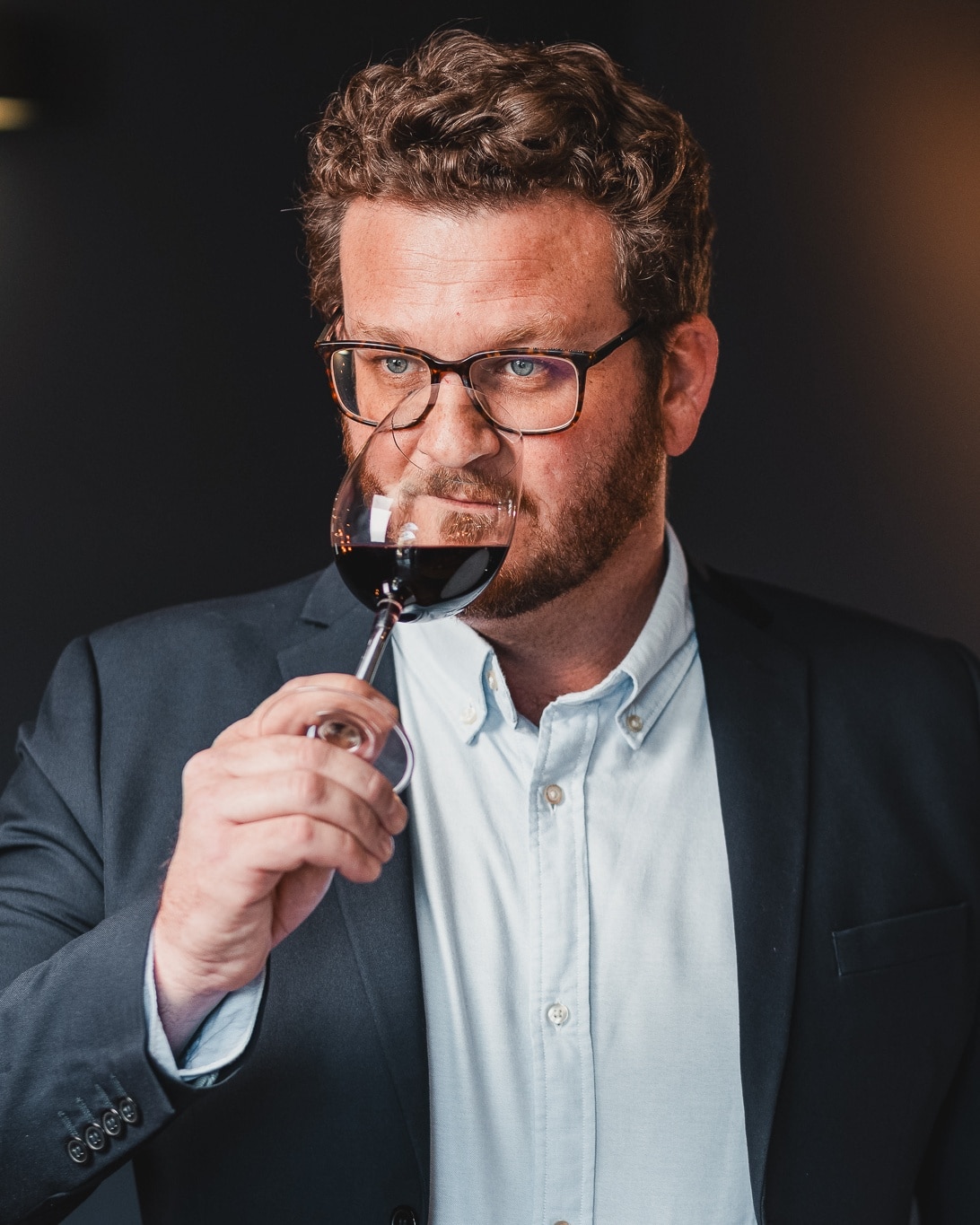
Louw Strydom.
Leading Stellenbosch property Kanonkop has appointed 37-year-old Louw Strydom as chief operating officer. He brings 12 years of industry experience, most recently serving as general manager at Ken Forrester Wines.
I’ve often wondered what it is that makes a really, really good crafter of fine wines. It has become clear to me over all these years of drinking the stuff and considering it that there are undoubtedly some makers who stand out (unfortunately I’ve also known one or two who seem downright inept), quite apart from access to fine vineyards, and going further than intelligence, technical competence, a willingness to work hard, an extreme attention to detail, wide experience and a trained and sensitive palate.
I’ve come to think that there is an unaccountable something involved, like having a pair of magic hands for the job. I think of winemaking as more a craft than an art (without implying any less respect: it’s just a different set of criteria), but – why not? – within any craft, where hard work and training can accomplish more than it can in art, there can be found people peculiarly attuned as if by instinct to their métier. Amidst a plethora of excellent local winemakers, I have often thought I would nominate Chris Alheit as the most instinctively … magical.
And it was Chris who originally pointed me in the direction of someone else whom I, from the start of our acquaintance, have thought of as having a good slug of that rare and profound instinct. Early in 2016, in a PS to an email, Chris mentioned a name I’d never heard: “You should visit Lukas van Loggerenberg. He’s got something cool happening in a shed on a hill in Stellenbosch.” So of course I took the hint and made haste to visit that Devon Valley shed. Lukas led me through the barrels of his maiden vintage, and told me how he had taken the scary leap (with, as it were, the brave cry of “Geronimo!” recorded on the label of his cinsault) into having his own brand. As I wrote in my Grape report on that visit: “Friends helped push: Chris Alheit said ‘Just do it!’, and Lukas ‘actually made the final decision during a holiday with Reenen Borman [of Boschkloof] whilst sitting in the vineyards drinking some champagne’.”
I concluded that piece with the observation that “The Stellenbosch hills and mountains and valleys do not as yet harbour too many outposts of the Cape avant-garde, and this one is more than welcome. Look forward, as I do, to these wines being bottled.”
Six months later they were indeed bottled, and I did a formal tasting of the four maiden Van Loggerenberg wines, together with those of his great friend Reenen Borman, in the Borman’s Boschkloof cellar. As I wrote at the time (under the only title I’ve ever written including the word “Wow!”): “These are two of the finest examples of the youngest generation of remarkable winemakers that the Cape wine revolution is resolutely turning out.” And after the tasting I commented about Lukas, thinking back to the Alheit debut, that “not in the four or five years since then have I been so convinced of the brilliance of a major new star in our starry skies”.
Forgive all the quotes from myself – but I was smugly pleased, on rereading my blogs, to be reminded just how keen I’d been from the start. And at a tasting in Cape Town last week of the latest Van Loggerenberg releases I had not the least temptation to temper any of my enthusiasm, or adjust my opinion of his having “a touch and an instinct that is magical”. The seven 2024s we were given were made in the Paarl cellar that Lukas has occupied for some years now, making his own wines and a few for other labels. I won’t go beyond some general remarks, as Christian Eedes reviewed the wines earlier this month, with details, and I very largely agree with his ratings (though possibly preferring the Kameraderie, while agreeing that both chenins are first-rate).
There are now two cinsaults – the original Geronimo but now all from a Stellenbosch vineyard, and Lötter, made from the 1932 Franschhoek vineyard that Lukas expensively snapped up when Leeu Passant for some reason gave it it up (just 220 bottles of it this year because of insect damage, so you won’t easily find it). Both are comparatively rare examples of the grape that justify its claims to occasional monovarietal greatness when farmed and vinifed to that end. They’re both perfumed, but not vulgarly so, intense and elegant, with some darkness in their youthful brightness, and with deeply serious tannic structures promising future development. Somewhat different aromatic/flavour characters – Lukas pointed especially to the blackcurrant element in Lötter, which has an extra degree of refinement, tannic density, and severe elegance accompanying the inevitable charm. If I could keep it another ten years, I’d hunt it down.
Breton, the two-vineyard Stellenbosch cab franc that helped many South Africans realise that there is a viable, somewhat lighter and less grand Loire model for the grape alongside the new-oaked, ripe Bordeaux one, seemed to me a little richer and more forceful than it sometimes has been – concentrated, dense and precise – but still with the bone-dry elegance, purity and finesse that is the Van Loggerenberg hallmark.
High Hopes is also a wine introduced to the top range since the maiden releases, a sweet-fruited, velvet-textured and succulent syrah, with a little grenache just twisting the aromatics and taming the palate to an earlier charm.
The first Graft, 2017, included cinsault, but the label quickly mutated to being one of the iterations of straight Polkadraai Hills syrah that helped advance that ward on its path to fame as a terroir (a pathway much cleared by Bruwer Raats, let it be said). A very fine wine, always amongst the top Cape syrahs – the 2024 no exception: pure, expressive, complex, a luxurious element supported by the new oak in its elevage but with a wild edge to it. Not at all a hipsterish version, but as usual coming in comfortably under 14% alcohol, which seems to me just right. Incidentally, the night of the tasting I opened a 2017 Graft – still youthful; fine and lovely to drink.
Great Cape chenins are not rare, happily, and Van Loggerenberg supplies two excellent examples, in the cleverly balanced Paardeberg-Stellenbosch-Piekenierskloof blend Trust Your Gut, and Kameraderie (one of the original line-up of 2016 but then from an old Paarl vineyard and now from Swartland). My favourite thing to find in Cape chenin is “stoniness” (I’d be unlikely to use the descriptor for a Loire version, however “mineral”) and I invoked it for both of these – together with some perfumed tropicality for the slightly phenolic, integrated Trust Your Gut), but more pervasively for the implacably structured and sternly-elegant, fine-textured Kameraderie.
All in all, I think I might relax my vocabulary again, as I did in December 2016, and finish by just saying “wow”. I think Lukas’s wine-making has grown in confidence, maturity and focus in the years since I first used the word, and his range has evolved, but the element of magic remains quintessential and winning.
Kleine Zalze’s Project Z is a “creative playground” for winemaker RJ Botha and team, exploring small-batch, boundary-pushing wines. The first wines made in 2017, the range experiments with alternative varieties and unusual techniques, each release carrying a distinctive linocut label created in-house. More than just an outlet for innovation, Project Z serves to lift the quality of the cellar’s mainstream offerings. Tasting notes and ratings for the fifth set of releases as follows:
Grenache Blanc 2024
Price: R320
W.O Piekenierskloof. Fermented and matured for nine months in concrete egg. Lovely aromatics of talcum powder, pear, quince, peach, herbs and hay. The palate is luscious and creamy with moderate acidity. A touch of sweetness threatens to dull definition, but the pithy finish ensures a measure of texture and balance. Alc: 13%.
CE’s rating: 92/100.
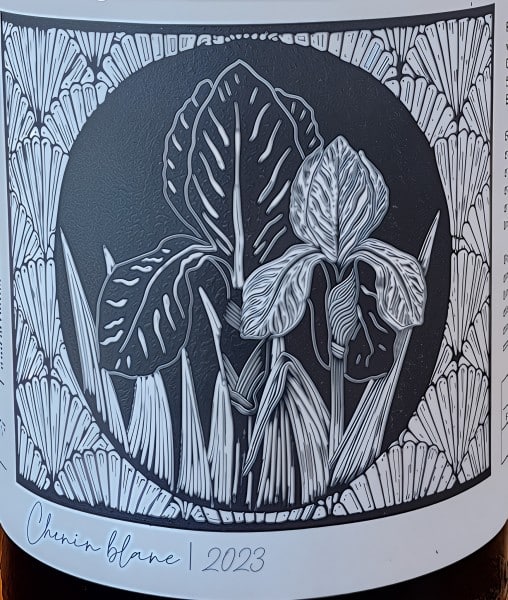 Chenin Blanc 2023
Price: R470
55% of grapes from Durbanville vineyard planted in 1983, 45% from a Stellenbosch vineyard planted in 1977. Fermented and matured in amphora and concrete egg. A leesy “wet wool” note precedes aromas of quince, citrus, peach and a touch of hay. The palate is piquant with pure fruit, a thrilling line of acidity and plenty of flavour, the finish lightly grippy and deeply savoury. Concentrated and punchy. Alc: 12%.
CE’s rating: 95/100.
Heritage White Blend 2023
Price: R320
70% Palomino from Piekenierskloof, 20% Chenin Blanc, and 10% Alvarinho, both from Stellenbosch. Certified heritage vineyards: Palomino planted in 1967, Chenin Blanc in 1977. Some skin contact, maturation in older oak and amphora. Floral perfume, herbs, pear, peach, green apple and a touch of reduction on the nose. The palate is light-bodied and elegant, showing pure fruit and bright acidity, the finish pithy in texture and saline in flavour. Alc: 11.5%.
CE’s rating: 93/100.
Grenache Noir 2023
Price: R430
Majority of grapes from Piekenierskloof, the remainder from Darling. Partial whole-bunch fermentation in tank, matured in old oak and amphora. Strawberry, plum, rose, earth and spice with a touch of rubbery reduction on the nose. Broad and open-knit on the palate with seemingly moderate acidity and soft, powdery tannins. Alc: 13.5%.
CE’s rating: 91/100.
Stellenbosch Syrah 2023
Price: R600
Partial whole-bunch fermentation. Matured in amphora and old oak. Black berries, violets, fynbos, liquourice and black pepper. Powerful palate – dense fruit and big acidity with grippy, tightly-packed tannins. Takes time to unfurl in the glass. Alc: 14.5%.
CE’s rating: 93/100.
Sweet Fortified NV
Price: R332 per 375ml bottle
The latest release of an ongoing project, a multi-varietal blend made since 2015, this edition incorporating 2022. To date, Chenin Blanc, Viognier, Sauvignon Blanc and Muscat d’Alexandrie have featured. Grapes are left to dry on the vine before spirit is added during fermentation. The nose shows apricot, straw, potpourri, nutmeg and spice. It’s unusual – combining freshness with a spiritous edge before a dry, grippy finish. Alc: 17%.
CE’s rating: 92/100.
Check out our South African wine ratings database.
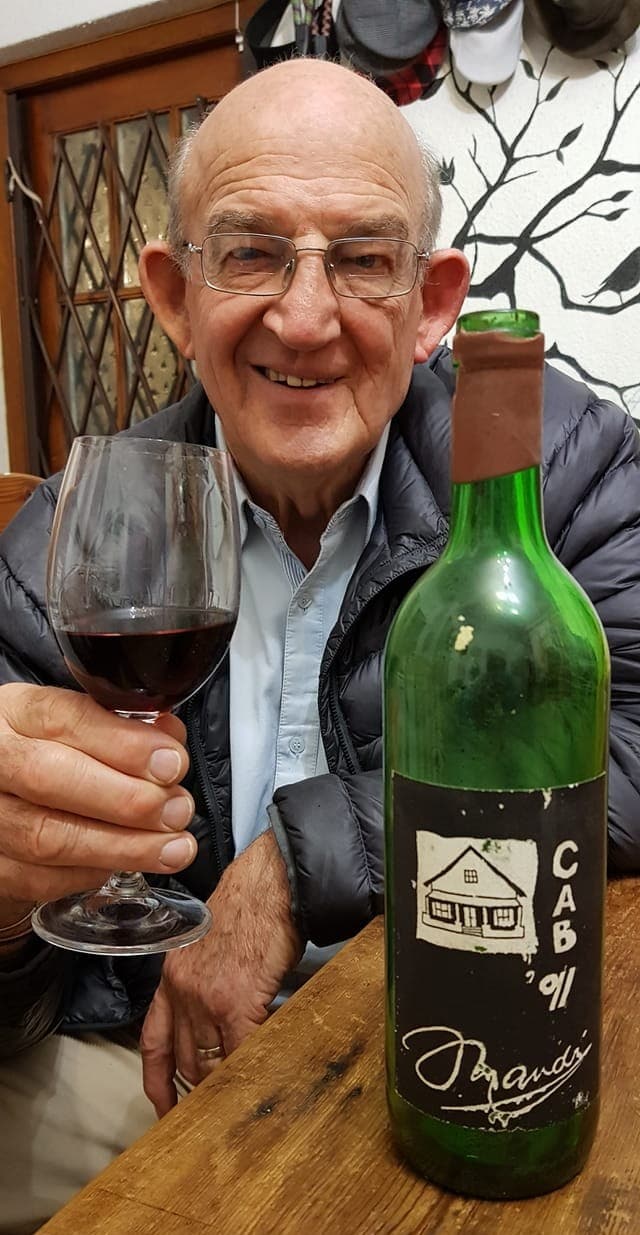
Francois Naudé with his very first wine in 2019.
Celebrated winemaker François Naudé died on Tuesday at the age of 79. A former pharmacist with no formal oenological training, he achieved remarkable success at Stellenbosch’s L’Avenir (1992–2005) and became one of Pinotage’s great modern-day champions. In recent years he had severe Alzheimer’s and dementia, passing away of natural causes. He is survived by his son François Jnr and daughter-in-law Catherine plus their two children, as well as daughter Melissa and her son.
Our Seascape Range from Trizanne Barnard of Trizanne Signature Wines celebrates the terroirs across the Cape South Coast – from elevated Hemel-en-Aarde Ridge to the limestone soils of Benede-Duivenshokrivier, to the cool maritime climate of Elim – all rendered with hallmark energy and precision.
Makeba Cap Classique Brut 2021
Price: R380
Grapes from Hemel-en-Aarde Ridge. 67% Pinot Noir, 38% Chardonnay. Four years on the lees. Strawberry, peach and a hint of yeasty complexity on the nose. The palate is full and round with fine, creamy mousse – a residual sugar of 7.2g/l provides guilty pleasure. Alc: 12.02%.
CE’s rating: 90/100.
Sondagskloof White 2024
Price: R475
100% Sauvignon Blanc. 50% given skin contact for approximately three weeks before maturation lasting 10 months in new 500-litre French oak barrels, 50% fermented in older barrels. Complex aromatics of blackcurrant, fennel, white peach and nectarine plus hints of green pepper, honeydew melon and granadilla. The palate is not so much lean as tightly wound with crisp acidity and a super-dry finish. An intellectually demanding proposition as ever. Alc: 12.61%.
CE’s rating: 95/100.
Elim Sauvignon Blanc Semillon 2022
Price: R380
60% Sauvignon Blanc, 40% Semillon. Fermented and matured for 10 months in barrel, 20% new. White peach, lime, herbs, a trace of asparagus and white pepper on the nose. The palate is extraordinarily taut, acidity razor-sharp, the finish bone-dry. Severe for now – cellar with confidence. Alc: 12.19%.
CE’s rating: 93/100.
Benede Duivenshokrivier Chardonnay 2024
Price: R475
Fermented and matured for 10 months in barrel, 35% new. The nose shows a particular herbal top note before pear, peach, citrus, oatmeal and a hint of reduction. Good fruit expression and bright acidity and pithy finish. Full MLF for the first time lends extra dimension over previous vintages. Alc: 12.2%.
CE’s rating: 93/100.
Hemel en Aarde Ridge / Overberg Pinot Noir 2024
Price: R475
Matured for 10 months in barrel, 100% new. Cranberry, cherry, red apple, hints of musk and herbs plus a little smoky reduction on the nose while the palate is lean in the best sense with fresh acidity and chalky tannins. Focused and precise, the most assured release to date. Alc: 12.79%.
CE’s rating: 93/100.
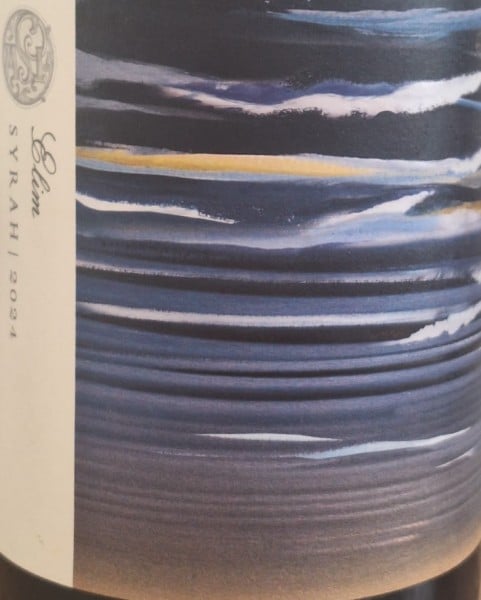 Elim Syrah 2024
Price: R475
Matured for 10 months in barrel, partially new. Hugely aromatic with notes of red berries, fynbos and intense pepper. Light but not too light, with lemon-like acidity and silky tannins. Elegant and seamless, with no dip on the mid-palate. Alc: 13.3%.
CE’s rating: 96/100.
Check out our South African wine ratings database.
Gordon Newton Johnson of Newton Johnson Family Vineyards in the Upper Hemel-en-Aarde Valley notes that while the cool, wet 2023 vintage brought long hang-times, 2024 was warmer, delivering good ripeness and wines of greater depth and power. Whereas shale predominates in the Valley and Ridge wards, the Upper Valley is largely defined by granitic soils, typically yielding wines that are more fragrant and finely etched.
Albariño 2024
Price: R290
Matured in a mix of concrete egg and stainless steel. Aromas of floral perfume and citrus. Slightly more fruit weight than the previous vintage makes it more immediately approachable, while the characteristic high acidity carries through to a pithy finish. Alc: 13.5%.
CE’s rating: 91/100.
Southend Chardonnay 2024
Price: R290
Grapes from a cooler slope directly opposite the Newton Johnson farm, allowing slower ripening. Citrus, leesy complexity, and a hint of oak spice on the nose. The palate is certainly not too lean with good fruit concentration and punchy acidity leading to a savoury finish. Alc: 13.5%.
CE’s rating: 93/100.
Family Vineyards Chardonnay 2024
Price: R570
Sourced from multiple vineyards to reflect the estate in its entirety. Pear, peach, citrus, and vanilla on the nose. The palate is poised and elegant – less concentrated and more open than 2023 – with vibrant acidity and a long, pithy finish. Alc: 13.5%.
CE’s rating: 94/100.
Walker Bay Pinot Noir 2024
Price: R350
Grapes from own vineyards, Hemel-en-Aarde Ridge, and Bot River. Matured 11 months in 228-litre barrels (9% new). Strawberry, floral perfume, and a hint of reduction on the nose; pure and lively on the palate, finishing dry. Balanced and appealing in its lack of affectation. Alc: 13.5%.
CE’s rating: 92/100.
Family Vineyards Pinot Noir 2024
Price: R680
Crafted to represent the estate as a whole. Strawberry, red and black cherry, fynbos, musk, and pepper on the nose. The palate is rich and full – succulent entry, dry finish, bright acidity, powdery tannins. Offers weight and flavour without losing refinement. Alc: 14%.
CE’s rating: 95/100.
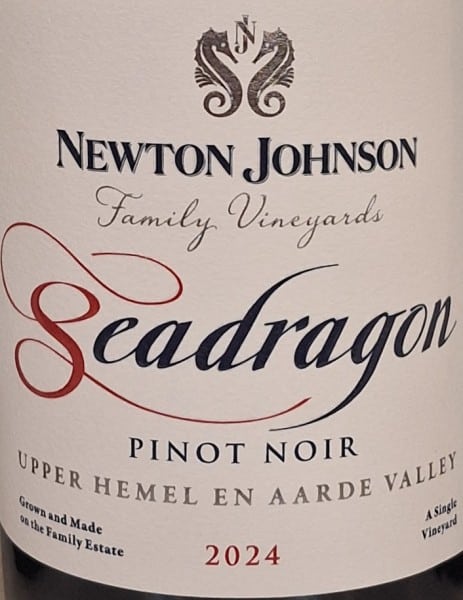 Seadragon Pinot Noir 2024
Price: R925
Grapes from a north-facing vineyard planted in 2003 – the oldest of the variety on the estate. Beguiling aromas of strawberry, cherry, musk, and potpourri while the palate is dense with fruit, the acidity bright and the tannins velvety. Seductive in its seamless richness, the finish wonderfully persistent. Alc: 14%.
CE’s rating: 96/100.
Windansea Pinot Noir 2024
Price: R925
Grapes from a north-facing vineyard on the highest part of the slope and the most exposed to wind. Red and black berries, fynbos, earth and white pepper on the nose. A solid core of fruit, bright acidity and tannins that are fine but nevertheless make for quite an austere finish. More structured, slightly more angular profile than Seadragon. Alc: 14%.
CE’s rating: 95/100.
Check out our South African wine ratings database.
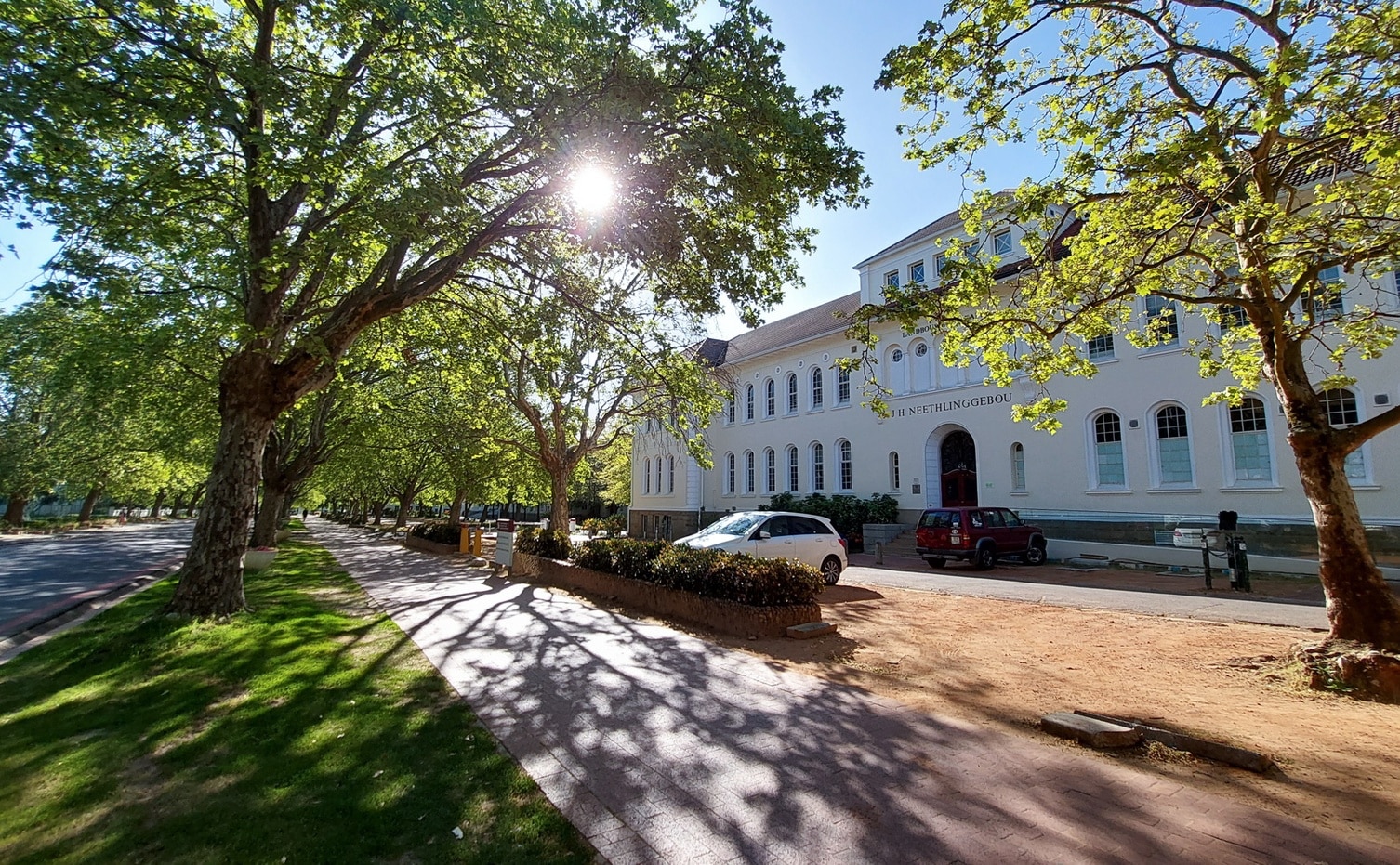
The month of July was a busy month for me, travelling both around Europe briefly and twice to the fairest Cape to firstly judge for the International Wine and Spirits Competition, and then towards the end of July, for the Michelangelo Wine Awards. For both trips I stayed in the heart of Stellenbosch and got to experience the vibrant student lifestyle in this very special town that also acts as the unofficial capital of the Cape wine industry.
As we continue to ponder the current state of the global wine industry and the many changes reshaping it, a visit to Stellenbosch and conversations with students of viticulture and oenology offer a striking counterpoint. Here, there is little sign of the existential angst that pervades the wider industry. For these young aspirants, it is very much business as usual.
The positivity and enthusiasm of this next generation of wine industry participants was both comforting and uplifting, helping to banish any thoughts that we are all working in the twilight of a dying industry. On the contrary, their refreshed dynamic thinking looks set to regenerate and strengthen the structures that make the wider wine industry one of the greatest and most fulfilling employment sectors to work in.
Perhaps it is just us older Gen X and Boomer generations that look at all the industry change with trepidation while this younger generation look at the change as a more natural evolution rather than a revolution. With so much positivity around, the wine industry is certainly not facing a ‘Kodak moment’ of decline. Far from it. It is evolving – yes in its usual slow, snail’s pace way – to become an industry more fit for purpose for a new generation of drinkers.
Casting my wine critic–cum–consultant eye over these shifts raises some stark questions, particularly for producers. If the net effect is less wine consumed overall – but what is consumed is enjoyed in more engaged, invested settings – where should the focus lie? Value? Volume? Or the premium-quality segment?
What is certain is that there will be more wine produced globally than there are consumers to purchase and drink it all. Indeed, this is already the case around the world as high production / high consumption markets like Spain, France and Italy continue to experience declining national consumption figures per capita. No amount of marketing or advertising will reverse this trajectory – it is, quite simply, a historical shift that began in the 1950s and 1960s and has continued, unbroken, on its downward course ever since.
We often talk about the early noughties as being the peak of a buoyant global wine trade, but that is also when I started my Master of Wine studies and the reality is I can pull out my old study folders full of doom mongering articles packed with statistics about… the European wine lake, global over production, the various compensation programs around the EU to pay farmers to pull up vines, and the subsidies being paid to wineries to distil their surplus wine into industrial alcohol.
However, looking back to this time, no one in the wine industry predicted that this was the beginning of the end of the wine industry. Rather, these trends were further signs that the consumer was changing, and the industry needed to change along with the wants and desires of the new consumer. Perhaps we find ourselves in the malaise we currently do because the global wine industry did not heed these warning signs sufficiently?
If you crunch all the consumption figures, demographics data and consumer trends, where does that path lead the modern, dynamic Cape producer and what conclusions should they make? Does it point to producing more hard brands that are relatively high quality, scalable, and eminently marketable, or does it suggest that the future should be solely focused on more premium, small production, heavily storied, terroir driven, boutique-styled fine wines that are sold on allocation?
The correct answer to this question is currently difficult to ascertain. When you look at the collapse of the entry-level wine segment that is buckling under rising cost pressures – energy, labour, transport, and tariffs – the signs all point to a failing segment that lacks sufficient profitability to make is sustainable.
Equally, the global fine wine market, as has been quite accurately documented in many related articles in Winemag, has been facing its most severe downturn and slowdown in its recent history, suggesting there is still plenty more consolidation and industry contractions coming down the tracks before a new sustainable equilibrium is established.
Well, you might determine that the real answer lies somewhere in between. But does it really? If you correspondingly look at the restaurant sector during any crisis or downturn, what we clearly see emerging is what we call the ‘doughnut effect’… where the value-based bottom segment prospers and the top end prospers while the middle segment simply disappears.
With a cost-of-living crisis, the squeezed middle tends to migrate downwards, while the rich remain rich, but spend their money in very targeted, top-end, experiential restaurants. Will the wine industry mimic the restaurant trade?
For once, I feel I don’t have an accurate answer to this important question. While I have always personally aspired to operate and work in the top echelons of the fine wine trade over the past 25 years, my expectation is that, like many South African wine producers, I am going to have to keep a very close eye on all segments of the wine market to make sure I don’t miss the potential answers to this evolving conundrum.
Reflecting on the climatic conditions that shaped the soon-to-be-released 2024s, Duncan Savage notes that what began as a wet season quickly turned dry, yields down and picking earlier than usual in most instances. The result? Muscular, structured wines with more robust tannins than the recent norm.
White 2024
Price: R400
71% Sauvignon Blanc, 29% Semillon from Stellenbosch, the Overberg and Villiersdorp. Matured for 12 months in 500-litre barrels (20% new) and concrete eggs before a further two months in stainless steel. Arresting aromatics of white peach, blue and black berries plus a pronounced but not unpleasant flinty reduction. The palate is harmonious without being too clean or overtly fruity – dense, textural, high in acidity with a savoury finish. A dramatic wine. Alc: 14%.
CE’s rating: 95/100.
Red 2023
Price: R400
From decomposed granite in Kuils River. 50% whole-bunch fermentation; matured for 13 months in old 500-litre barrels. Pretty aromatics of red berries, rose, fynbos and white pepper. The palate is light-bodied yet elegant, with lovely fruit expression, snappy acidity and powdery tannins. Alc: 13.4%.
CE’s rating: 94/100.
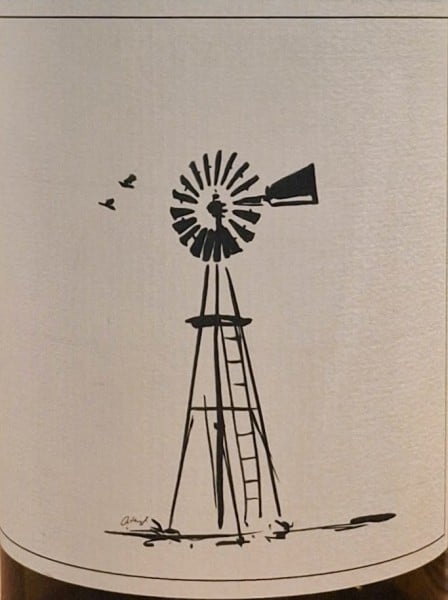 Never Been Asked to Dance 2024
Price: R400
Chenin Blanc from a Paarl vineyard planted in 1956. Fermented and matured for 10 months in old 600-litre barrels. Top notes of herbs and thatch before citrus, peach and a hint of reduction. Super-rich yet brimming with vitality – full of flavour and texture, moderate acidity, a gently savoury finish. Nothing sweet or ingratiating. Alc: 13.3%.
CE’s rating: 96/100.
Follow the Line 2024
Price: R400
94% Cinsault, 6% Syrah from Darling. 50% whole-bunch fermentation; matured for 12 months in foudre and amphora. Heady aromatics of strawberry, raspberry, rose, herbs and white pepper. The palate is vinous – not too light or facile – with pure fruit, bright acidity and powdery tannins, the finish long and dry. Already quite open and accessible. Alc: 13.1%.
CE’s rating: 94/100.
Thief in the Night 2024
Price: R400
91% Grenache, 9% Cinsault from Piekenierskloof. 20% whole-bunch fermentation; matured for 10 months in concrete egg and older 500-litre barrels. Red and black berries, floral perfume and some flinty reduction on the nose. The palate is robust, rich and round with succulent, sweet fruit, soft but sufficient acidity and fine tannins, the finish gently savoury. Alc: 14.3%.
CE’s rating: 94/100.
Girl Next Door 2024
Price: R510
Syrah from two Cape Peninsula vineyards, one in Fish Hoek and the other in Noordhoek. 50% whole-bunch fermentation; matured for 10 months in foudre and older 500-litre barrels. Black berries, violets, fynbos, black pepper and flinty reduction on the nose. The palate shows composure and structure – pure fruit, lemon-like acidity and powdery tannins. Not insubstantial despite a modest alcohol of 13.2%.
CE’s rating: 96/100.
Are We There Yet 2024
Price: R400
57% Syrah, 43% Touriga Nacional from Malgas. 10% of the Syrah left as whole bunches. Matured for 10 months in older 500-litre barrels. Red and black berries, fynbos, flowers and pepper on the nose. Great fruit density, bright acidity and crunchy tannins, the finish nicely dry. Still intensely flavourful but showing increasing composure with each passing vintage. Alc: 13.1%.
CE’s rating: 94/100.
Not Tonight Josephine 2024
Price: R510 per 375ml bottle
Chenin Blanc from a young, trellised vineyard in Piekenierskloof. Grapes sundried for two to three weeks. Extraordinary aromatics of dried peach and apricot, pineapple, straw, potpourri, fynbos and a hint of honey. The palate is super-concentrated and slightly greasy in texture but not overly unctuous, thanks to bracing acidity. Very expressive and engaging. Alc: 8.3%.
CE’s rating: 96/100.
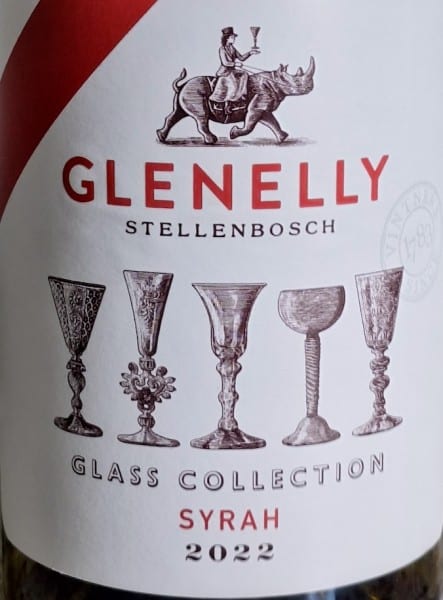 Lately, I’ve been taking great pleasure in the Glass Collection Syrah 2022 from Glenelly in Stellenbosch – Top 10 in this year’s Shiraz Report sponsored by Prescient with a rating of 94 points, selling for R175 a bottle, with a total production of 74 900 bottles. For all its inherent quality, however, its very ubiquity probably counts against it in terms of desirability.
The thing is, scarcity sells. Or at least, that’s the assumption. From limited-edition sneakers to micro-batch whiskies, restricting supply has long been the marketer’s blunt instrument for creating demand. In wine, the allocation list is the purest expression of this tactic: a curated database of “those in the know” who are granted the privilege of buying. The implication is clear – you’re not just purchasing a bottle, you’re securing membership to a select club.
But as anyone who has tried to get onto a high-demand list knows, exclusivity can quickly sour into exclusion. The moment the allocation email lands in your inbox, you are already being reminded that you are lucky to be allowed to buy. And for many consumers – particularly younger ones, who bristle at overt gatekeeping – that’s a problem.
It’s worth noting that scarcity in wine can be entirely legitimate. The top vineyards in Burgundy really are small, and you can’t conjure extra Grand Cru fruit out of thin air. Likewise, a boutique South African producer farming two hectares of old vines simply cannot supply the world. When genuine supply constraints meet sustained demand, a form of rationing is inevitable. That’s fine. What’s less defensible is when scarcity is manufactured – when the vineyard capacity is there, but a deliberate decision is made to withhold, fragment, or throttle stock supply purely to maintain an aura of unattainability.
Artificial scarcity is seductive for producers because it allows them to do three things at once: maintain high prices, signal prestige, and reduce the pressure to actively market. After all, if people are scrambling to get on your list, why bother with trade tastings, media outreach, or building retail relationships?
Yet the hidden cost of this approach is trust. For established customers, the system works – until it doesn’t. Drop off the list through spending fatigue or some other quirk, and good luck getting back on. For new customers, the message is worse: You’re not welcome unless you play our game.
The irony is that scarcity marketing can be most alienating to the very audience the wine industry says it wants to court – Millennials and Gen Z. These are consumers for whom access and transparency are baseline expectations, not perks. They are used to finding information instantly, comparing prices globally, and engaging directly with brands on social media. Will they really wait five years to be deemed worthy of a mixed case? Or engage in an allocation process that feels more like an initiation rite than the beginning of a beautiful friendship?
More importantly, artificial scarcity risks turning wine into a performance of privilege rather than a shared cultural good. The great wines of the world may be rare, but they are not inherently exclusionary – the joy of opening a remarkable bottle should lie in the generosity of the act, not in the fact that you were able to procure it while others couldn’t. The habit of certain collectors going to great lengths to snap up extra stock through retail channels – beyond what the producer originally allocated – is particularly distasteful.
All that said, the onus is not only on producers to make the wine market as vibrant as possible. Enthusiasts, too, need to broaden their horizons. If we are forever fixated on the “rare” – chasing only the big names, the cult releases, the once-a-year allocations – we enable the very system we claim to dislike. There is a vast universe of wines that are beautifully made, fairly priced, and available without the ritualised begging. Drink more widely. Explore unfamiliar producers. Reward risk-taking. The healthiest wine culture is one where curiosity and generosity flow in both directions.
There will always be wines that are difficult to get. There will always be producers whose mailing lists are oversubscribed. The key is not to let the mechanics of scarcity define the identity of the brand. Because in the long run, the surest way to kill desire is to make it feel like a closed shop. And in a world where younger drinkers are already sceptical of the wine trade’s more antiquated rituals, we can ill afford to turn them away at the door.
Real prestige in wine should come from excellence in the glass, not from the artifice of absence – and from consumers who seek excellence wherever it may be found, not only where it is most elusive.
Subscribers receive daily reviews and in-depth reports before release to the public. Cancel any time.
