Sometimes sauvignon will surprise you. At least it’s been surprising me. South African savvy is generally approached with New World methodology: protective winemaking, ester-enhancing yeasts, exaggerated thiols/pyrazines all in a bid to produce wines that are largely a caricature of the variety, showing up in full clown make-up.
As the second most planted grape in the country at over 10,000 hectares, shouldn’t we be seeing more thoughtful renditions alongside the commercial? I am happy to report that lately more and more sauvignons with a sense of place have been filling my glass.
It would be remiss not to mention Matt Day here of Klein Constantia, who has long been championing site-specific sauvignon, and doing a very good job at it, too. Though for this piece I was inspired by a series of fairly recent tastings.
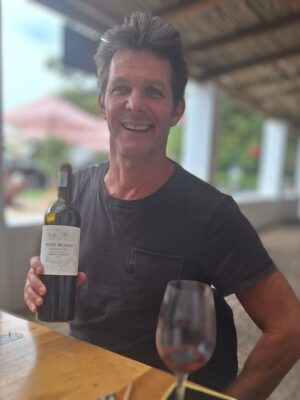
Miles Mossop.
Let’s kick off with the Miles Mossop new-vintage release of Chapters; terroir-driven, single-varietal wines aptly celebrating storied vineyards. The Stellenbosch Sauvignon Blanc 2023 tasted more like a Pouilly-Fumé than a South African sauvignon. The grapes from a single block of bushvines, planted in 1986. The very same vineyard from which Mike Dobrovic of Mulderbosch sourced the fruit for his famous sauvignons. Grapes were wholebunch pressed, spontaneously fermented and matured in old oak. Stirring was employed, though malo blocked. All with the intention of ‘… expressing weight, texture, depth, which is what we get in abundance because of the nature of the old vines,’ explained Mossop.
“We’re not trying to build a wine with pyrazine, rather we’re focusing on all the other beautiful parts of sauvignon: cassis leaf, blackcurrant, tending towards the tropical with passion fruit; though essentially we’re not looking for primary fruit.” He says the site significantly informs the outcome with it being a relatively warm microclimate and aspect. Read a review here.
Not long ago I met with Angelo van Dyk of own-label Yo El Rey. Van Dyk’s ethos is to only work with organic fruit from carefully prospected sites, brought to bottle with low interventionist techniques. Just Kidding 2023 is from 20-year-old Tulbagh vines that saw natural fermentation and maturation in old oak, bottled unfiltered and unfined. The wine is defined by an electric spine of acidity.
Van Dyk reflected how he was inspired to go leftfield with sauvignon while working for an importer of wines from Austrian state Styria in London.
“At the time, I couldn’t stand sauvignon, but these wines quickly changed my mind,” says Van Dyk. “They were handled with a light touch, no additions, and were vivid and compelling. I couldn’t get enough of them. It made me realise that when you make sauvignon according to a ‘recipe’ they all kind of taste the same. Though if you respect the fruit and farming, and allow the wine to take its own shape, they can be very intriguing.”
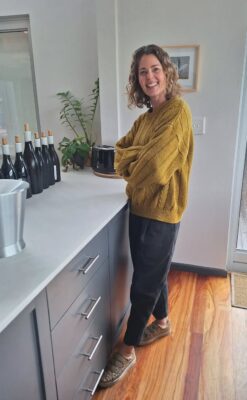
Trizanne Barnard.
Sauvignon specialist Trizanne Barnard has also taken a swerve with the variety in the form of the Sondagskloof White from her Seascape range, hailing from a tiny ward of the same name just outside of Stanford. When writing about it for Micheal Fridjhon’s site Wine Wizard, I dubbed it ‘sauvignon blanc turned inside out’, so contrary to the usual protective process was Barnard’s winemaking, including warm and wild ferment on the skins, regular bâtonnage and maturation in new oak. Read a review here.
From oak to glass. Known sauvignon innovators Diemersdal produces eight different styles, which includes the skin-contact, spontaneous ferment Wild Horseshoe as well as the Winter Ferment, made from frozen juice. Their latest release, The Globe Sauvignon Blanc 2023 makes use of hermetically-sealed 220-litre ‘wine globes’ – inspired by a trip to famous Loire producer, Dagueneau. It’s a subtle wine, all delicacy and gentle mouthfeel. Read a review here.
It seems the globes are also all the rage in the Loire – Riandri Visser is also making use of them in her mix of maturation vessels for Domaine Les Ormousseaux. For the last couple of years Visser has split her time between France and Cape Point Vineyard, working the alternate harvests. She was previously at Pascal Jolivet with fiancé, Clement Jolivet (who incidentally also collaborated with Matt Day for the Metis Sauvignon). Les Ormousseaux is now the pair’s own project, which I briefly wrote about in a previous article entitled ‘South Africans prospecting international terroirs’, 2021 being the maiden vintage.
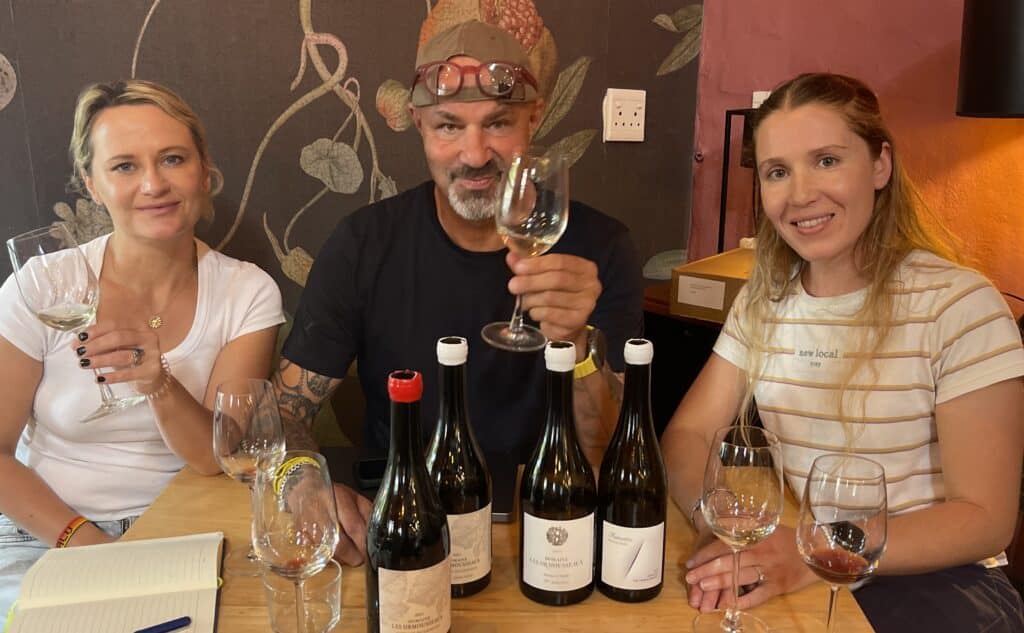
Now for the first time a pallet of Les Ormousseaux has arrived in Cape Town. I met with Visser at Foodbarn in Noordhoek to taste through the three sauvignons, and one red, a near-equal gamay and pinot blend.
“I don’t do green,” said Visser, shaking her head, referring to pyrazine-driven wines.
Here at home, Les Ormousseaux is available at Cape Point Vineyards as well as speciality wine shops and comprises: Pouilly-Fumé FUMETTE 2023, Coteaux du Giennois Blanc 2021, Pouilly-Fumé 2021 and Coteaux du Giennois Rouge 2021.
“We’re based in the southern part of the appellation Coteaux du Giennois, close to the border of Pouilly-Fumé,” explained Visser. “Our vineyards grow on a south-facing slope, ideally placed to benefit from sufficient sunshine to achieve maturation.
“While our Pouilly Fumé fruit is in Tracy-sur-Loire, next to the Loire River opposite Sancerre. We have two parcels, one named Les Froids and the other Le Champ de l’Abreu, planted in an old flint quarry where they removed around 1000 tonnes of silex.”
Visser’s whites convincingly make the case for sauvignon with a sense of place. As you taste through them, you can easily envision the flint soils, the slopes, the rivers, even the devastation by hail she describes. We taste the place; there are no ‘gooseberries’, ‘green peppers’ or gGd forbid, ‘cat’s pee’ – rather these wines transport the drinker, like all great wines should.
I argue that if a wine is easily identifiable by its varietal characteristics, then we aren’t in the realm of fine – like sauvignon is so often guilty of. It’s the same with music or art, we don’t necessarily have to understand it to be moved by it.
This year’s Minority Report convened by Winemag.co.za is now out. There were 103 entries (45 white wine and 58 red) and these were tasted blind (labels out of sight) by a three-person panel, scoring done according to the 100-point quality scale.
The eight best wines overall are as follows:
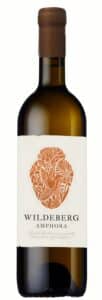
Wildeberg Amphora Semillon 2023
Price: R479
Wine of Origin: Franschhoek
Abv: 12%
Winner of R15,000 off a concrete egg from Cellier Wine Tanks.
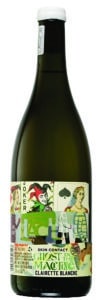
Bruce Jack Ghost in the Machine Skin Contact Clairette Blanche 2024
Price: R209
Wine of Origin: Western Cape
Abv: 12%
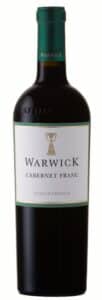
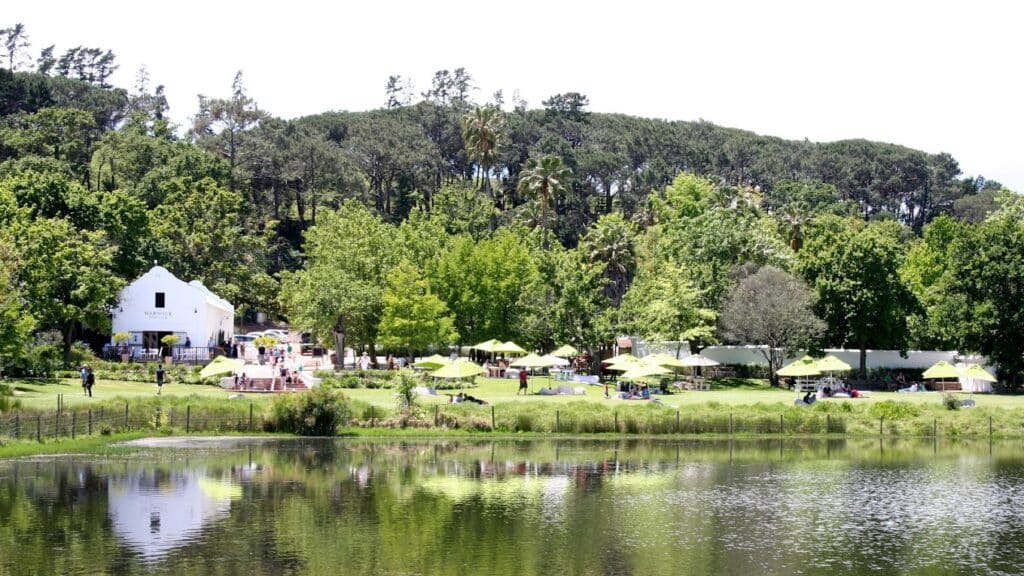
Warwick Cabernet Franc 2022
Price: R675
Wine of Origin: Simonsberg-Stellenbosch
Abv: 14.5%
Winner of R15,000 off a concrete egg from Cellier Wine Tanks.
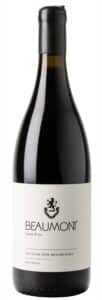
Beaumont Far Side Mourvèdre 2021
Price: R425
Wine of Origin: Bot River Walker Bay
Abv: 12.23%
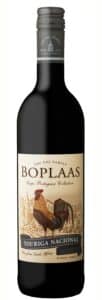
Boplaas Touriga Nacional 2023
Price: R125
Wine of Origin: Western Cape
Abv: 14.6%
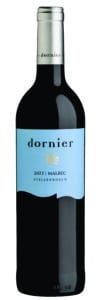
Dornier Malbec 2022
Price: R195
Wine of Origin: Stellenbosch
Abv: 14%
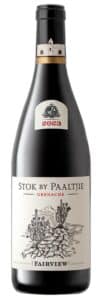
Fairview Stok By Paaltjie Grenache 2023
Price: R289
Wine of Origin: Paarl
Abv: 13.07%
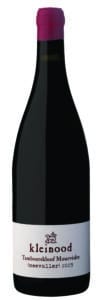
Kleinood Tamboerskloof Mourvèdre (meevaller) 2023
Price: R435
Wine of Origin: Stellenbosch
Abv: 12.73%
Because final ratings are determined by averaging the scores of three judges, decimal places come into play. As a result, the following wines fell just short of the top eight on 93 points:
Boplaas Alvarinho 2024 – price: R135
Bruce Jack Off the Charts Clairette Blanche 2024 – price: R120
Haute Collection Amphora Semillon 2023 (Haute Cabrière) – price: R475
Rickety Bridge The Pilgrimage Old Vine Semillon 2021 – R600
Donkiesbaai Cinsault 2023 – R370
Klein Amoskuil Bok Amok Bush Vine Grenache 2023 – price: R225
Stellenrust Old Bush Vine Cinsaut 2022 – price: R190
The Minority Report highlights wines made from grape varieties with total plantings of 5,000 hectares or less. South Africa’s eight most widely grown varieties – Chenin Blanc, Sauvignon Blanc, Colombar, Cabernet Sauvignon, Shiraz, Pinotage, Chardonnay, and Merlot – each exceed this threshold, together covering 81.4% of the national vineyard – this is a chance for the lesser-known varieties to shine!

To read the report in full, including key findings, tasting notes for the top wines, buying guide (wines ranked by quality relative to price) and scores on the 100-point quality scale for all wines entered, download the following: Minority Report 2025

Online wine shop Getwine is offering all of the wines in the Top 8 for sale – buy wine.
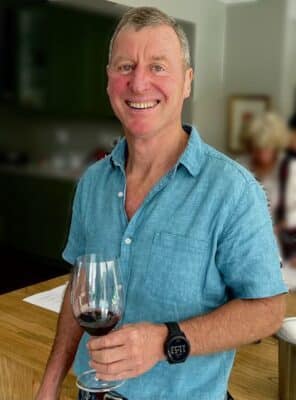
Chris Keet at the launch of First Verse 2021.
It’s rare in South Africa for a prestigious brand to produce just one wine in solitary splendour. Chris Keet, though, seems to be making a great success of it, since the maiden First Verse of 2009. He does supplement this wine with viticultural consulting, though this is now much reduced. It’s something which anyway feeds into his winemaking, as some of the vineyards he works with also provide grapes for First Verse. And he makes Cinq for Van Biljon – another single wine – but this again has a close relationship with his own wine, as he has been making both in the Van Biljon cellar on the Polkadraai Hills, just outside Stellenbosch, since 2011.
Yesterday, Chris offered in Cape Town a rare vertical of seven older vintages of First Verse (almost randomly selected, he told me) to accompany the release of the most recent, 2021.
The first two vintages were made at what was then Romond Vineyards on the Helderberg, on the farm that is now Pink Valley (how very odd – Pink Valley Rosé is yet another, I realise, of the singularity wines that I said were so rare). That farm is just below Taaibosch, which had once been Cordoba, the farm where Chris Keet first came into prominence with the marvellous Crescendo, the wine based on then-fairly-rare cabernet franc. That famous name lives on for Taaibosch’s own cab franc-based blend (now I’m starting to think madly that any vague connection with Chris Keet results in a single wine for producers, as, to date Taaibosch have released just the one, although there has been talk of, for example, releasing a varietal cab franc.)
And cab franc is a connection between Chris Keet’s Crescendo (I think the last vintage made was 2004, though released under a makeshift sort of label) and his First Verse. But the latter has always been a blend of all five main Bordeaux red varieties – usually with either cab or cab franc as the larger component, (just pipped by merlot in 2014, for example), petit verdot and malbec invariably playing the minor role. Proportions have always varied, though, with Chris responding to what particular vintages turned up.
There are other elements of continuity, though Chris has clearly not tried to re-make the old Crescendo (which, it must be said, was not universally admired, though it had something of a cult following – including me). That was always a lighter-style, graceful and elegant wine, sometimes as low as 13% alcohol, with the marvellous 1997 going up to 13.7% (Chris says it continues to drink well). Inevitably, some people thought the old Crescendo tended to greenness on occasion – it never bothered me. With First Verse, Chris is closer to the established Stellenbosch mainstream, using riper grapes, and the wines measure at least 14.5% alcohol. But his use of oak has always been more restrained than that mainstream, only 10-15% new; the wines are pretty dry; the tannic structure is firm (mostly grape rather than oak tannins) but never massive; and there is, in short, always a degree of refinement controlling the sweet fruit, and a welcome balance and harmony.
As for the name…. I realised that I’d never enquired about it. I thought about it when I recalled that the producer name on the label of the very first vintage, the 2009, was in fact “Keets” (no apostrophe); the s was dropped from the 2010 and subsequently – Chris told me yesterday that he’d done so because people were assuming that his name was Chris Keets. But Keets echoed to me the name of the English Romantic poet, and I wondered if somehow this was a connection to First Verse. Chris confirmed that – adding that there is also the name of the Afrikaans poet A D Keet hovering in the background. The boxes that the wines are packed in furthers the connection, bearing the legend “Earth’s poetry” – which is surely a rather charming touch.
It was an impressive tasting yesterday, with the wines on the whole living up to the general description I gave above. The oldest we had was the second vintage, 2010. Still full of balanced vigour, quite big in effect, with plenty of sweet fruit. There was, in fact, an element of sweetness on the finish of most of the wines, though increasingly less so, it seemed to me. Already the 2011 was more savoury. As I was writing generally about the “lesser” 2018 vintage recently, I should mention the First Verse from that year: a most pleasing wine it is, but with less intensity than the others on show; no real hurry to drink up, but I doubt if it will benefit from further ageing.
There were certainly no duds on show. 2013, though with the highest proportion of cab (41%), perhaps more developed than 2011, quite big and juicy though, with grippy tannins. 2014 with merlot just in the lead seemed more notable for the leafy fragrance of cab franc; the most restrained and light-feeling, unfruity, of the earlier years. I found less complexity on the dry-year 2016, but the notes of savoury restraint showed through. Unquestionably the standout was 2017: intense and subtly dense, with depth, yet light-feeling and succulently drier; beautifully balanced. A great year for Keet, as for many in the Cape.
The current release, partly thanks to the producer’s generosity in holding it back for a few years compared with most, is, I’d suggest, on a par with the general best of the wines and perhaps not too far off that 2017. (See Christian Eedes’s review for more detail.) The single-wine maestro delivers again.
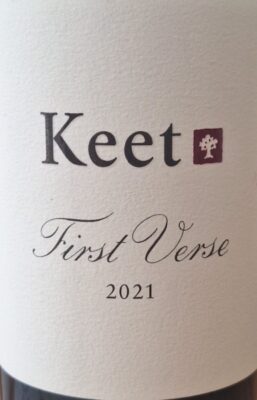 Chris Keet’s First Verse has cemented its reputation as one of the Cape’s more age-worthy Bordeaux-style red blends. The 2011 placed in the Top 10 of the 10-Year-Old Report 2021, followed by the 2013 in 2023 and the 2014 last year. (Keet opted not to submit the 2015 for this year’s tasting, citing “almost non-existent” stocks.)
Now, the 2021 release looks poised to follow suit. A blend of 39% Cabernet Franc, 36% Cabernet Sauvignon, 13% Malbec, and 6% each of Merlot and Petit Verdot, sourced from across Stellenbosch, it spent 19 months in barrel, 15% new.
The nose shows red and black berries, violets, herbs and a touch of chocolate. The palate displays pure fruit, bright acidity and supple, mouth-coating tannins. There’s undoubtedly a lusciousness to the wine but it’s by no means overblown – the balance is spot-on, the finish dry but not astringent (alc: 14.5%). Very accomplished as we have come to expect from Keet. Price: R730 a bottle.
CE’s rating: 96/100.
Check out our South African wine ratings database.
 Here are the nine most highly rated wines of last month:
Leeu Passant Red blend 2022 – 97 (read original review here)
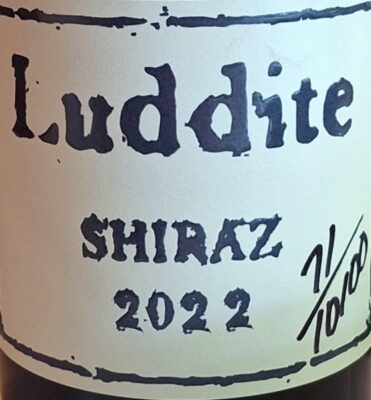
Luddite Shiraz 2022 – 96 (read original review here)
Mullineux Straw wine 2024 – 96 (read original review here)
Patatsfontein Steen Chenin Blanc 2024 – 96 (read original review here)
Sons of Sugarland Syrah 2024 – 96 (read original review here)
Vuurberg White 2022 – 96 (read original review here)
Colombo There’s Something About You Muscat d’Alexandrie 2024 – 95 (read original review here)
Leeu Passant Radicales Libres Chardonnay 2021 – 95 (read original review here)
Mullineux Old Vines White 2024 – 95 (read original review here)
Leeu Passant is the ambitious venture from Andrea and Chris Mullineux in collaboration with Analjit Singh, a businessman of Indian origin with various interests including the international boutique hotel group known as the Leeu Collection.
Essentially, it sets out to reimagine the Cape’s vinous heritage. Meticulously sourced vineyards and the precision in production that the Mullineuxs pride themselves on are the hallmarks of this portfolio. Tasting notes and ratings for the new releases as follows:
Chardonnay 2023
Price: R960
Grapes from a Helderberg site. Matured for 12 months in 225-litre barrels, 30% new before a further six months in foudre. Citrus, oatmeal, vanilla, and oak spice shape the nose, while the palate delivers concentrated fruit and big acidity, before a pithy finish. This is an imposing wine – tightly wound and intensely flavored. Alc: 14%.
CE’s rating: 94/100.
Wellington Cinsault 2023
Price: R820
Grapes from a vineyard planted in 1900. 100% whole-bunch fermentation. Matured for 24 months in 500-litre barrels. The aromatics are more restrained than many examples, showing a touch of reduction before revealing plum, prune, earth, and spice. The palate is rich and rounded, with bright acidity and fine yet grippy tannins. A singular expression of the variety. Alc: 14%.
CE’s rating: 93/100.
Stellenbosch Cabernet Sauvignon 2023
Price: R515
Grapes from a Helderberg site. Matured for 12 months in 500-litre barrels, of which 30% were new, before a further 12 months in larger format oak. Red and black berries, noticeable herbal lift, rose, and earth define the nose. The palate is light to medium-bodied, with fresh acidity and fine, powdery tannins. A wine of elegance and persistence. Alc: 14%.
CE’s rating: 93/100.
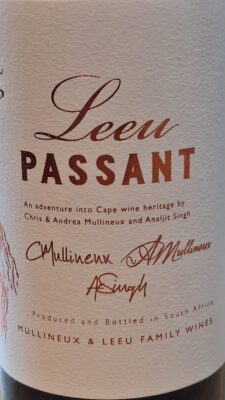 Leeu Passant 2022
Price: R2,150
47% Cabernet Sauvignon, 37% Cabernet Franc, 16% Cinsault. Maturation as for the Cab above. Beautifully complex aromatics of flowers, herbs, and berries that intertwine and evolve in the glass. The palate showcases pure fruit expression, bright acidity, and super-fine, silky tannins. Medium-bodied but surprisingly deep and layered on the mid-palate —utterly seamless. Alc: 14%.
CE’s rating: 97/100.
Radicales Libres 2019
Price: R960
For the first time, the grapes come from Stellenbosch rather than Barrydale, with maturation spanning 60 months in old barriques. The nose reveals citrus, a hint of nuttiness, and subtle flinty reduction. The palate is defined by extraordinary fruit concentration, punchy acidity, and a deeply savory finish. An arresting wine on account of its linearity and austerity. Alc: 14%.
CE’s rating: 95/100.
Check out our South African wine ratings database.
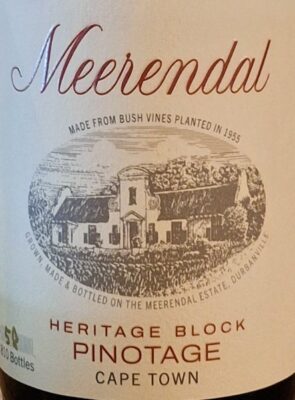 This year marks a century since Pinotage first came into existence, making it a fitting moment for Durbanville property Meerendal to unveil its reimagined wine from the so-called Heritage Block, planted in 1955 and thus reaching the grand age of 70 this year.
Since mid-2022, 35-year-old Wade Roger-Lund has headed up winemaking here, adamant from the outset that the site deserved greater recognition. Now releasing the 2023 vintage, he describes his approach as seeking “not so much lightness but elegance.”
The vineyard spans 5.8ha, typically yielding 3.5 t/ha, which gives Roger-Lund roughly 10,000L of juice to work with. For the 2023 vintage, just 810 bottles have been produced, set to retail at R1,250 per bottle (the rest of the wine used in other cuvées).
Fermentation took place in traditional open concrete kuipe, followed by 18 months of maturation in a mix of 300- and 500-litre barrels, 40% new. The final wine represents a selection of the very best components in the cellar.
The nose shows a floral top note before plum and dark cherry, a touch of fennel and oak spice. The palate shows pure fruit, bright acidity and chalky, perhaps slightly bitter, tannins. Nice weight in the sense of not being too opulent, this is a promising first effort. Indeed, a barrel sample of the 2024 looked gorgeous, further reinforcing this as a label to watch as the variety embarks on its second century…
CE’s rating: 92/100.
Check out our South African wine ratings database.
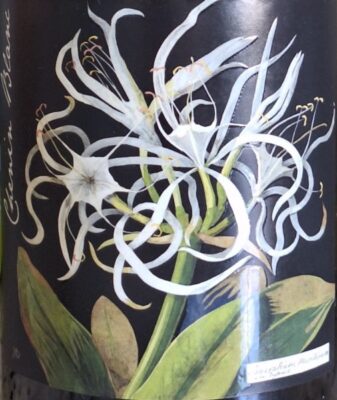 The Mary Delany Chenin Blanc by Ginny Povall hails from Skurfberg (Citrusdal Mountain), other celebrated examples of the variety from this site being Huilkrans and Magnetic North from Alheit, as well as the eponymous bottling from Sadie.
Povall’s 2023 vintage, which spent nine months in older oak, is a wine of quiet complexity and no mean structure. Muted yet intriguing aromas of baked pear, peach, cut apple, earth, and subtle yeasty nuances unfold in the glass. The palate is dense with fruit, its richness balanced by moderate acidity. Broad and textured, it finishes with a gently savoury edge. Substantial, almost monumental. Alc: 13.8%.
CE’s score: 94/100.
Check out our South African wine ratings database.
The Great Wealth Transfer refers to an intergenerational wealth transfer that is currently underway in the United States as well as among many other western nations, with the Baby Boomer generation (born 1946-1964) leaving significant wealth to their heirs. Baby Boomers and the Silent Generation (born 1928-1945) together will bequeath a total of US$84.4 trillion in assets through to 2045, with US$72.6 trillion going directly to heirs. The transfer of wealth from Baby Boomers will account for US$53 trillion, or 63% of all transfers, while the Silent Generation will hand down a tidy US$15.8 trillion, according to Andrew Lisa’s book “The Great Wealth Transfer: How Baby Boomers Are Passing on Trillions to Heirs“.
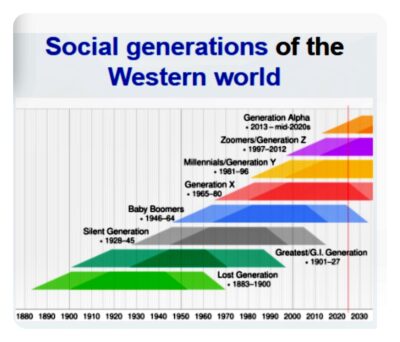
Inheritance has become increasingly common among U.S. households, with 60% surveyed in 2022 having received, expected to receive, or planned to leave an inheritance. Wealthy individuals make up only 1.5% of all households but constitute 42% of the expected transfers through to 2045, or approximately US$35.8 trillion. The wealthiest 10% of households will give and receive the vast majority of this wealth, with the top 1% left holding about as much real wealth as the entire bottom 90%.
Of course, this transfer of wealth is influenced by many factors such as price growth in real estate and financial assets, housing discrimination based on where you live, and the general lack of access to financial services for many people of colour. The US tax code in particular, which allows individuals to transmit large sums without federal estate tax, contributes to the enormous scale of this impending transfer.
But what of the unintended consequences of this great wealth transfer? What will the wider impact be on the greater economy, the availability and pricing of housing stocks, on education standards, healthcare costs, as well as the general financial markets and labour markets? What seismic changes can we expect once this wealth transfer is well and truly underway and how may it affect sectors such as the wider fine wine market?
While many of the above figures bandied around are specific to the USA and clearly serve to illustrate the scale, similar transfers are envisaged and are already being observed in the UK and across the wider European continent. With such large sums of money involved, it is not only innovative businesses that are examining potential opportunities to tap into this migrating wealth pool, cash-strapped national governments are scrambling to find ways to increase their share of inheritance tax and the broader transfer of generational wealth.
What does this all have to do with the fine wine market you might well ask? Quite a lot, actually! Only last week, I engaged in a very interesting chat with industry stalwart Simon Farr, the 2013 co-founder and chairman of Cru World Wines, who with investment from a European investment firm, initially acquired two existing businesses with great teams and fine wine allocations, and which today form the foundations of his company Cru, specialising in high-end blue-chip Bordeaux and Burgundy.
Simon is himself a Boomer, and at 71 years old, he said he was witnessing first-hand the beginning of this great wealth and asset transfer. But more importantly, this specific demographic group was also the golden generation who magically had both access and the means to buy large quantities of international fine wine stocks at prices that would seem simply alien in today’s inflated market.
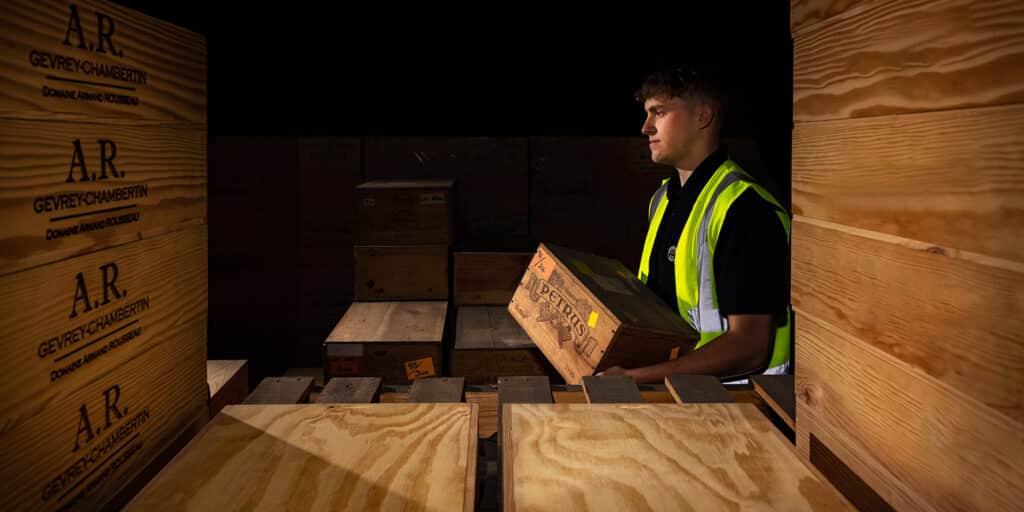
Quite simply, this is the same generation that in the UK alone, is estimated to be sitting on approximately £5 to £6 billion pounds worth of fine wine in underbond storage, professionally stored in one or another of His Majesty’s Revenue and Customs (HMRC) controlled bonded warehouses, where duty and VAT are only payable on the original historical cost of the wine when the physical stock is removed from storage for delivery to the client.
As one of the world’s leading fine wine trading capitals, it comes as no surprise to me to hear of the sheer volumes of fine wine in storage across the UK. However, Simon then pointed out that the accumulative storage bill for all these wines annually was also inflating, reaching staggering levels of cost. With more and more of these wines now classified as blue-chip assets costing hundreds or thousands of pounds per bottle, stocks are not being consumed on the scale and at the rate in which the fine wine market ideally requires them to be.
There is a veritable glut of fine wine in storage, being financed and paid for by successful affluent Boomers, who on the whole, are actively seeking to drink less for health reasons or have given up drinking altogether on medical advice. So, the fine wine market has become more and more constipated, with the potential solution – the eager drinking Generation X’ers and Millennials – are often unable to afford these wines anymore, as they buckle under stagnating private sector salaries, continuous tax rises, high mortgage rates, soaring private school fees, and a general cost of living crisis that has ensured that even the most affluent of these next generations of drinkers are having to tighten their belts and cut their fine wine purchases.
Quite clearly, much of this fine wine will by necessity, eventually be circulated back into the wider fine wine market and put up for sale, and in Simon’s opinion, will create a temporary oversupply scenario that could easily result in price suppression for the coming five or more years. Alternatively, even if many of these asset-class fine wines are merely bequeathed to the next generation for free, the headache of the sizable storage bill will still need to be financed by somebody.
While some individuals will clearly benefit from the great wealth transfer, others will face dual challenges, such as the ‘sandwich generation’ dealing with the rising cost of caring for ageing parents who are living longer and children unable to leave home simultaneously.
The self-financing gap remains a big concern, with many workers, specifically Generation X’ers facing insufficient retirement savings and being financially unprepared to retire. Simply put, these disparities do not bode well for discretional spending and the fine wine market in the medium term.
Daniel Colombo grew up on the Paarl property that is today Brookdale, his family selling grapes to producer-wholesalers like KWV and Perdeberg. In the mid-2010s, when he was in his early 20s, he spent time in first Barcelona and then Amsterdam, where he says he got “sucked into the natural wine wormhole”.
He returned to South Africa where he worked front-of-house at Steenberg and then, in 2019, took a position at the newly opened Leo’s Wine Bar. In 2020, with Covid-19 lock-down looming, he escaped to France and worked a harvest with Tom Lubbe of Domaine Matassa in Roussilon. He started making wine under his own label in 2021. Tasting notes and ratings for the new releases as follows:
Rosie Rosé 2024
Price: R195
Named after daughter. A blend of 40% Colombar from Paarl, 40% Cinsault and 20% Syrah, both from Swartland. Fermented and matured in old 225-litre barrels, half of the Colombar undergoing skin contact. Lemon, orange, raspberry, potpourri and a touch of reduction on the nose. The palate is light and fresh with an intensely savoury finish. Piquant and more-ish. Leans more towards “beginner orange wine” than your typical rosé.
CE’s rating: 90/100.
Like Seeing You For The First Time Again White Blend 2024
Price: R300
52% Colombar from Paarl, 48% Muscat from Goudini that underwent co-fermentation in old 500L barrels. Enchanting aromatics of floral perfume, herbs, and citrus. The palate is surprisingly full for a wine with just 11% alcohol, yet it maintains a lovely freshness, with a lightly grippy finish. Full of charm.
CE’s rating: 91/100.
Can’t Do Without You Colombar 2024
Price: R300
Can Colombar take oak? Colombo believes so, this wine fermented and matured for nine months in old 500L barrels. The aromatics are elusive yet intricate with notes of stone fruit, citrus, and even some mango and melon as well as earth and some leesy complexity. The palate is quite broad and texture with bright acidity and a gently savoury finish. While not hugely intense, it’s more intriguing than many examples of this variety.
CE’s rating: 92/100.
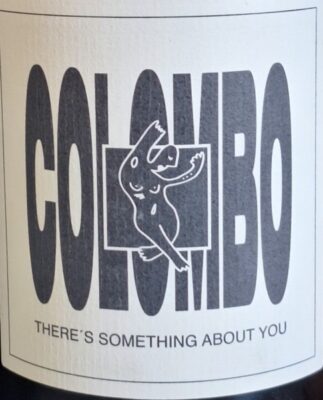 There’s Something About You Muscat D’Alexandrie 2024
Price: R300
Grapes from a Skurfberg vineyard on its own roots planted sometime in the early 20th century. The winemaking process involved three batches, each with different skin maceration durations: five days for the first, seven days for the second, and 14 days for the third. Matured for nine months in old 500L barrels. Beguiling aromatics of marmalade, peach, apricot, potpourri, rose geranium, and honey. The palate showcases excellent fruit expression and vibrant acidity, with some light phenolic grip on the finish. A fascinating wine, full of nuance and beautifully balanced. While the 2023 showed promise, this vintage is a revelation.
CE’s rating: 95/100.
Check out our South African wine ratings database.
Subscribers receive daily reviews and in-depth reports before release to the public. Cancel any time.
