
Jamie Goode: Have we made too much of drinkability?
By Jamie Goode, 4 May 2026
-
Share:





5
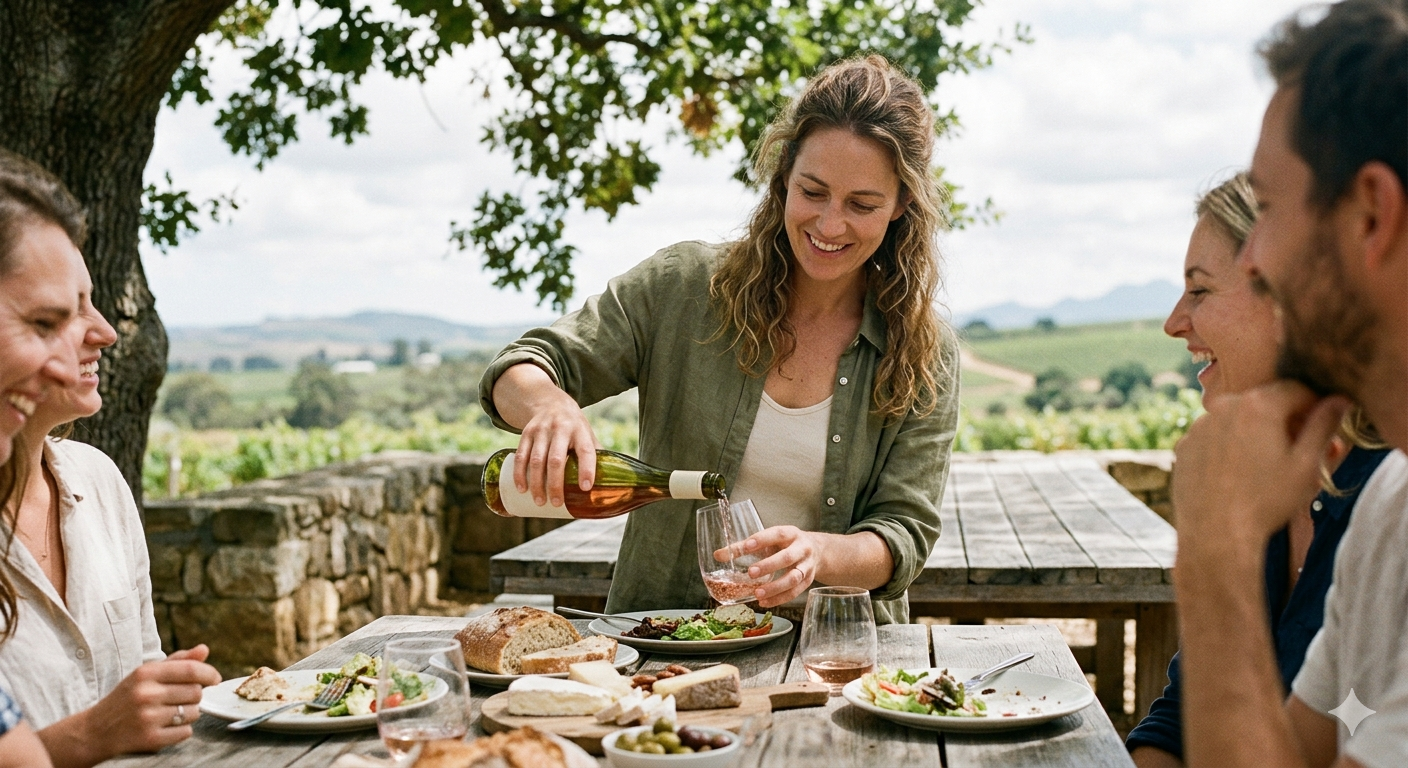
I love smashable red wines. Lighter red wines, pale in colour, low in alcohol with good acidity and no make-up – the sorts of wines that just about drink themselves. Uncork them, stick them on the table, and they’re finished in record time.
When I started drinking these wines didn’t really exist. We measured the success of red wines by their intensity and colour. I was a huge fan of deep, dark wines: the sorts of wines you could stand a spoon in. These weren’t the spoofy over-ripe dark wines that came to define the ‘international’ style of red wine in the heyday of Parker and Rolland; rather they were genuinely concentrated well-structured red wines of appropriate ripeness, which aged really well, but could be drunk young as long as you didn’t mind a bit of a challenge.
Lighter reds started emerging with the widespread rise of natural wine, roughly in the period 2010 onwards. Picking grapes early and extracting modestly – more of an infusion approach than extraction – and then doing a natural fermentation in large oak, concrete or clay resulted in reds of charm and precision, paler in colour. And then people began co-fermenting red and white grapes, or direct pressing a portion of the red grapes, also resulting in lighter-coloured wines.
The shift toward drinkability is not without its complications
A term emerged for these wines: glou glou. I loved – and still love – this style of wine, and drink it often. But there comes a two-fold danger with these wines.
The first is that if you extract very little and pick very early, there’s a danger that you can lose any sense of place. There glou glou style can be the dominant feature of the wine. I’m not suggesting that all wines should be terroir wines, and there is nothing wrong with buying a wine because it is smashable and delicious, even if you can’t tell whether it is from the Rhône or the Loire; Dão or the Douro; or Piemonte or Etna. But I’m not altogether satisfied if I buy a glou glou red that taste generic and I’m being charged R500 for it.
The second danger is that we could be heading for a stylistic uniformity, which is exactly what we were protesting about in the days of Parker and Rolland, with a never-ending stream of glossy, ripe, rich, oak-laden red wines in heavy bottles, and bearing many points out of 100.
If all that anyone with a natural leaning makes is placeless glou glou reds, then we are heading for trouble. It’s as if there is a natural wine style, which all the cool kids focus on, and then we have nothing else except for bold techno wines. What if I want to drink a richer, heavier red but I still want my wine to be made in a low intervention way from well farmed grapes?
As a wine drinker, I don’t want to be drinking the same wine every day. I’m curious in my drinking, and I’m also mood driven in my drinking.
I’m also aware that I sound a bit ungrateful here: I really love the lighter reds that are now being made, and when I speak to wine bar owners, they say that’s all that regular punters are asking for right now. Chillable, smashable reds. Gamay is even in demand, now, because of its effortless propensity to make these wines. I’m grateful, but we need to beware of heading into a sort of homogeneity of style. In the ecosystem of wine, we need to nurture all the different styles and see that they have their space.
There’s one other issue of concern here, and this is ageworthiness. I’m kind of in two minds about this. On the one hand, are older wines relevant to modern day consumers? Very few have cellars. Very few wineries release mature wines and restaurants and wine shops can’t afford to cellar wines before they sell them. And the requirement for ageing is just another element of complication and inaccessibility that could turn people away from wine. So maybe we should just focus on wines that taste great on release.
But on the other hand, the concept of the wine cellar and enjoying mature fine wines is thoroughly embedded in the narrative of wine. It’s part of why we find wine so fascinating. And some of the old wine experiences I have had are among the best wine encounters that I’ve been lucky enough to experience.
If people buy an expensive wine, then they’ll expect to be able to cellar it. It’s a sort of social contract. And the goal of cellaring wine is that it should get better and be more interesting, not that it should simply survive. I experienced a 10 year on tasting last year where many of the 10 year old wines were less interesting than if you’d drunk them on release. Many of the delicious (and expensive) new wave red wines taste brilliant young, but don’t gain anything from cellaring. At best, they survive. This is a slight concern: if everyone follows the same style, we’ll be impoverished in our drinking.
So let’s stay open minded about wine style. Let’s celebrate drinkability, but let’s not insist on it for all wines, because then we could be in danger of losing something.
- Jamie Goode is a London-based wine writer, lecturer, wine judge and book author. With a PhD in plant biology, he worked as a science editor, before starting wineanorak.com, one of the world’s most popular wine websites.
-
Share:

Jan Carlsson | 4 May 2026
Jamie! You just put in text what I have been saying the last couple of years. It’s not only terroir you can’t taste in ”glou glou” wines it’s also which varietal you are drinking. They are most of the time clean fresh red berry wines that works well with salads, fried fish or chicken. But they don’t add to my food experience, they don’t talk to me. As you point out and I have experienced they don’t improve with cellaring particularly well. Too many say I have gone off full bodied reds, and too many wine journalists lifts the glou glou wines to the sky in an uncritical way. Since I only drink wine with food I want all kinds of wine for a good pairing. I also find joy opening a developed wine at its peak (often a long flat one). So I’m glad you brought this subject up since it’s been on my mind for a long time.
The only reason nowadays for me to buy this wines is to have them in a wine tasting to showcase the difference in winemaking style/approach and to start a discussion.
Interested to read some more comments!
Jen | 5 May 2026
Many wineries opt to have an entry level range with easy drinking, tooty fruity young reds and crisp whites while still having a more expensive, true to terroir and cultivar, premium offering. This isn’t unique to RSA, they do it in France too. We just don’t hear about these every day entry level wines as much because the every day drinkers are not winning prizes on the 100pt scale. RSA is just punting these “glou glou” wines at a very nice price point under R150 (thinking of Perdeberg’s grenache noir (my personal favourite cooldrink-wine), Mr P pinot noir, Haute’s Pinot noir, Fairview Cinsaut, Secateurs red, Bosman Grenache etc). I might even put our own Windmeul Pinotage and Shiraz in this category too. However I would argue that none of the above mentioned wines throw away their terroir, unlike their french counterparts.
Richard Gundersen | 6 May 2026
Insightful commentary Jamie. Don’t quite share your enjoyment of glou glou and many of my 7-10yr olds are now blossoming. But then I’m old school.
Wine is not meant as a thirst quencher, hence usually accompanied by water. It is meant to be sipped and savoured and its nuances appreciated.
I have many great experiences by asking wine waiters to bring me their oldest (sensibly-priced) wines and take potluck on the outcome. Even a few years can soften that ‘challenging’ edge.
Steve Matt | 8 May 2026
I think Jamie makes a really good point. “Drinkability” has become such a big trend that sometimes people act like any wine with structure, tannin, or intensity is automatically old-fashioned. I love fresh, light reds too, they’re fun, energetic, and easy to enjoy with friends, but not every wine needs to be “smashable.”
Some of the most memorable wines are actually the challenging ones that evolve in the glass and make you slow down a bit. A powerful Barolo, Syrah, or Cabernet can be just as exciting as a chillable Gamay or natural Pinot.
In the end, balance matters more than style. A wine should fit the moment: sometimes you want something gluggable on a Tuesday night, and sometimes you want a serious bottle that demands attention. There’s room for both.
Gerhard van Huyssteen | 11 May 2026
Take half a tank of “glou-glou” Cinsault, plus half a tank “concentrated well-structured” Cabernet Sauvignon, mix well, et voilà: Cape Heritage blends for the win! If one includes history and culture in the concept terroir, then these Cape Heritage blends are for me – at least currently in my wine journey – the epitome of “terroir wine”.