
Jamie Goode: Kiss the dirt – the truth about what makes great wine
By Jamie Goode, 9 December 2025
-
Share:





3
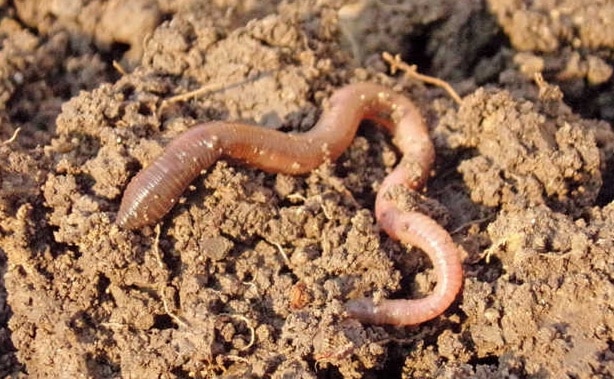
One of the biggest changes in viticulture over the last decade has been an increasing interest in what happens under the surface of the soil. We used to see vineyard soil as just being a medium in which the grape vines grow, and certainly where the climate is sunny and dry in the growing season, the best idea seemed to be to remove any competition for limited resources of nutrients and water.
And remember, the history of viticulture has been based on growing grapevines in poor soils. The row crops would be grown on the rich, dark loams in the valley floor, while the hillsides, where it was difficult to grow anything else, would be for olives and grapevines. The best sites for making quality wines were those with the poorest, rockiest soils. Even today, we get excited when we see bony soils, and a bit depressed when we find vines grown in potato fields, all vigorous and pumping out high yields of grapes destined to make utterly boring wines.
Along comes regenerative viticulture, and suddenly the emphasis has shifted. We are now talking about soil life, soil microbes, and restoring depleted soils. We want to improve soil organic matter, we realize that living roots are releasing photosynthates into the soil to feed the microbes so we want things growing in the vineyard other than vines, and we are now obsessed with mycorrhizal associations, effective biodiversity and ecosystem surfaces. We no longer want to till the soil, although there are a lot of organic farmers who love nothing more than to plough, to eliminate weeds and to encourage the vine roots to grow deeper.
This is a far cry from received wisdom in the wine world, that the main property of vineyard soils that determines wine quality is their water-holding capacities. This idea is that an ideal vineyard soil can store water and release it back to the vines in measured amounts, with availability tapering off after veraison, thus discouraging vegetative growth and nudging the vine to concentrate on ripening fruit.
The underground workforce: Microbes, mycorrhizae and organic matter
Interest in soil life has paralleled our ability to study it. Next-generation sequencing techniques make it possible to see all the micro-organisms present in the soil, not only those that can be cultured. It has revealed a complex, interdependent web of life.
Much attention has focused on the role of mycorrhizae, fungi that form intimate relationships with plant roots. The hyphae of these fungi act as an important extension of the root systems, able to sequester water and nutrients that the roots would have had trouble sequestering. In exchange, the plant supplies the fungus with nutrients from photosynthesis. It is a mutualistic symbiosis, and it occurs in 80-90% of terrestrial plants. There’s even evidence from the fossil record that fungi were important in the move of algae to a terrestrial way of life, later giving rise to plants. These mycorrhizal associations are important to grape vine functioning, but are damaged by tillage. They are also damaged by the use of artificial fertilizers, which result in fewer root exudates to feed them.
Some fungi, such as Trichoderma, are important members of the rhizosphere ecosystem, the area of the soil close to the roots. Trichoderma protects against some plant pathogens, and there’s a lot of interest in deliberately inoculating with this fungus.
Soil organic material is important for forming soil aggregates, soil fertility, and also helping the soil retain more water. It comes from the deposition of dead plant material on the surface of the soil, where it is broken down by earthworms and microbes, and from root exudates. But it also comes from the life and death of soil microbes. One compound released from mycorrhizae called glomulin is described as soil superglue because of its role in forming stable aggregates. And this soil organic material is continually being cycled by microbes. In the past, the more stable soil organic material was called humus, but current thinking is that this term is outdated, and refers to an artefact of the way it was measured in soils. Instead, soil organic material is stabilized by associations with soil minerals (mineral-associated organic material, MOAM) or by being hidden in aggregates. It is clear that microbial life is hugely important in creating a functioning soil with good levels of organic matter.
There’s quite a bit of work now on how soil life is affected by cover cropping, by additions of compost, and also by the use of biochar, which is made by burning plant material in a low oxygen environment, much in the same way that charcoal is made.
Why living soils matter for viticulture’s future
The goal in all this work is to get soils alive, so they function well without the extensive use of inputs that has been common in viticulture. But this does create a conundrum. We want soils to work, but we don’t want the same level of fertility that we do for row crops.
I’m not sure how we bring these ideas together. But we absolutely need soils to be alive. The benefits of a regenerative approach are immense. Here’s why:
- Living soils do the work that otherwise we’d need inputs to do. And if we continue adding inputs the soils will slowly die and erode. Inputs also cost money.
- Soil structure is vital for soil functioning. Aggregate stability preserves soil structure. Water infiltration is increased.
- Soil micro-life can increase disease resistance in the vine because of signalling from bacteria and fungi in the rhizosphere that alter the metabolism of the vine.
- Living soils build organic material, and this allows them to store more water.
- Reducing or eliminating tillage builds microbial communities including mycorrhizal associations that help roots work better and provide vines with mineral nutrition.
- Covered soils with plants growing in them are more resistant to erosion, and are more alive.
- People prefer working in living vineyards.
- Nobody likes spraying vineyards except for agrochemical companies. It’s much cheaper to let soil biology do the job.
- There’s some tantalising evidence that wines made from vines grown in living soils taste better. Nothing has been proven scientifically yet, but I’d be surprised if this was not the case.
I’ve yet to hear of a grower complaining that using regenerative practices has resulted in their vineyards becoming too fertile and thus quality has diminished. This is probably a situation where we can take that attitude that we cross that bridge if we ever get there. My feeling is that if you have a vineyard, get the soils working and alive, and introduce functional biodiversity, and then it will begin to express itself with a true signal, rather than altering the terroir in a negative way. Work sympathetically and well in the cellar, and then you will see the true expression of terroir in the vine.
- Jamie Goode is a London-based wine writer, lecturer, wine judge and book author. With a PhD in plant biology, he worked as a science editor, before starting wineanorak.com, one of the world’s most popular wine websites.
-
Share:
Related articles
Opinion & Analysis
Jamie Goode: Why watering the vine deserves a smarter debate
6 November 2025
Irrigation has the potential to be one of the wine world’s controversial topics. I say it has the potential: by this I mean it would be controversial if people from...
Opinion & Analysis
Jamie Goode: The ripeness delusion – pick earlier, make better wine
3 October 2025
Recently, I was at a tasting of some very fancy wines from Napa. Someone round the table asked for the alcohol levels. All were 15% or thereabouts, and all were...
5
Opinion & Analysis
Jamie Goode: Copper, sulphur, and the vineyard – tradition vs. sustainability
1 September 2025
I love reading about viticulture back in the day. I’m talking here about the time before the mid-19th century. I remember reading one account of how vineyards were planted in...
Pamela Turner | 9 December 2025
Mr. Goode, thank you for this article. My husband and I own a Regenerative Organic Certified vineyard in Oregon (Ambar Estate) and are trying to get the word out about the benefits of soil health for wine grapes as well as other crops. We’re in a special situation in the wine industry, since people actually want to come to where our grapes are grown and will sit down and listen to our staff explain HOW they’re grown. We include soil health topics in social marketing as well (we are planning a December Instagram post titled “Ode to Fungi.”) Thank you for sharing your knowledge and your perspective.
Brian Cluver | 10 December 2025
@Pamela, I work on a new property a few hundred feet up the road from you called Perlée.
I would love to get together to see how we can promote this message more for the Dundee Hills. Pls send me an email to Brian@perleevineyards.com
David Wickstead | 10 December 2025
Soil health is so important. This can vary across the vineyard from underground streams and natural moisture flow in the vineyard. I saw that discussed in Jamie’s TV series The Science of Wine.
Pamela I am with you in understanding that people want to visit the land where the wine is grown and listen and learn from those who have tendered the crop. It’s an entire enrichening experience.