
Melvyn Minnaar: Judging art (and wine)
By Melvyn Minnaar, 2 August 2026
-
Share:





3
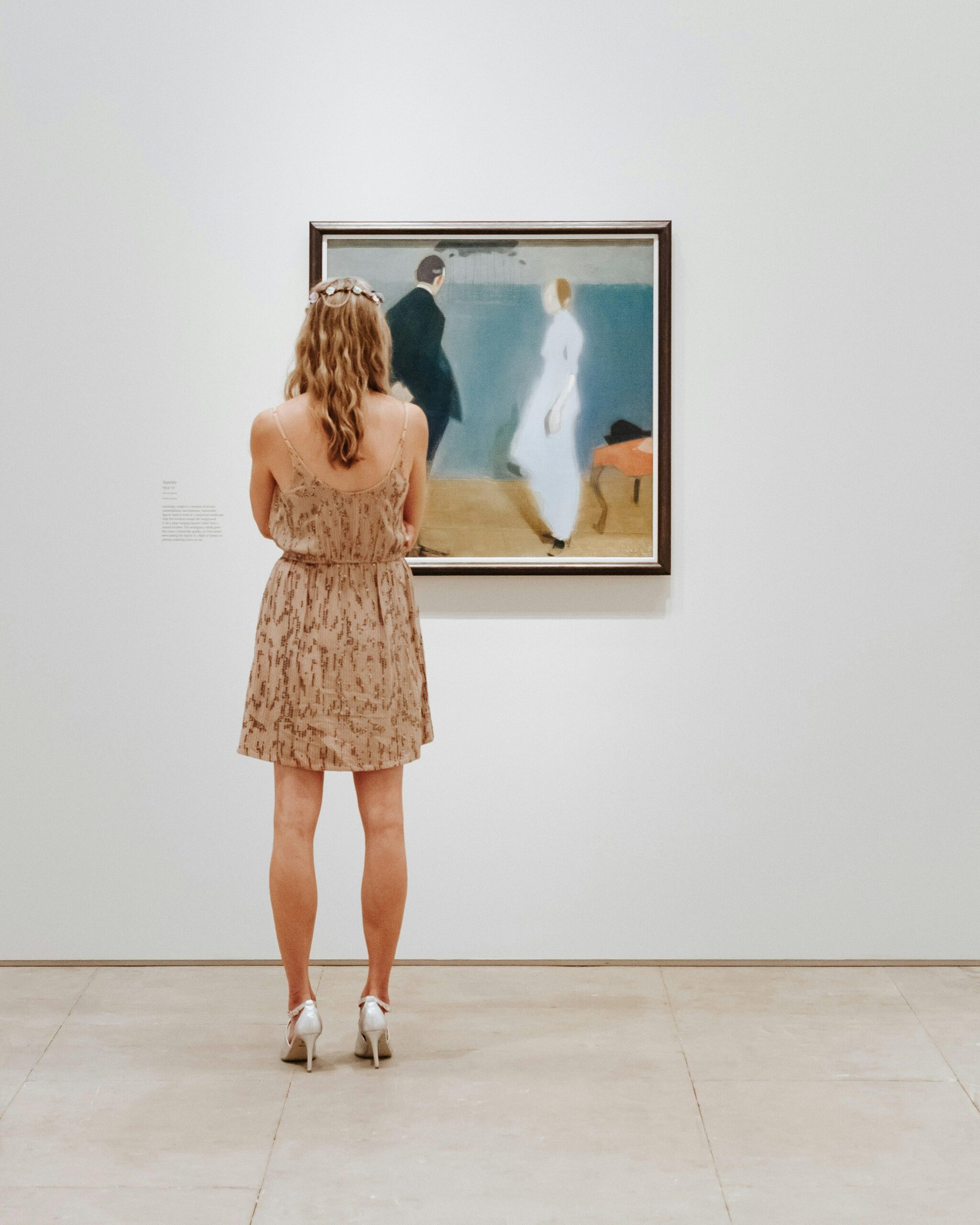
Over the years I have had great opportunities to be on the judging side in the visual arts world. Being on a selection panel to rate artworks – like reviewing any creative effort – is an honour, an adventure, a taunt, and a learning experience.
A problem facing an art critic or judge is that astute artists bring on the surprise. They challenge knowledge and experience. One gets face to face with the unfamiliar, the new, the different, the rebellious. And, of course, the brilliance of invention and creativity. A critic should live that long to know and see all!
Same applies to wine, methinks.
A few years ago, I had the exceptional and privileged experience of being included in a panel that was rating the vintage’s young wines for the Hospice de Beaune charity en primeur auction which took place later that year – as usual on the third Sunday in November.
The parallel of the art/wine process and experience is, for me, a delightful mental tickle. So, this was special, and I was wrapped into the delightful dramatics of a bunch of French wine people buzzing around a long table. They were also seemingly having fun while working hard. ‘Fun” hardly comes to mind in the never-ending local arguments about judging wine, sighted or not, scored in petty points or silly stars, and the egos in play.
No, I wasn’t a judge in that French mêlée. Thanks to friends, the lengthy line of knowledgeable winemakers and tasters on duty allowed me to join the circling queue. They drilled around the tasting table at a hair-raising pace. The speed at which they were moving in the line, with me squashed in between, was even more of a challenge than coming to terms with the glorious, pip-squeek but personable, wines. These were hurriedly poured into glasses, swirled, sniffed, thought about, and chucked. Given a nod or not.
What a learning curve it was. Invigorating, it nailed down my life-long love affair with the region and its banner wines.
Besides the cheer, what struck me about the event was the generosity all round. The goodwill towards the Hospice’s cause, long-established since 1859, and heartily supported by the local donated expertise, of course. But also the jolly cellarmasters sharing samples, wisdom, and encouragement – all interacting with the judging process. There was a serious job to be done, but a jollity no one could escape while important decisions were made. (The Hospice de Beaune auction label is as high-status as it gets.)
As art critic, I often experienced similar upbeat merriment among a panel of art judges. And often the consensus, often quickly arrived at, has been an edifying experience: true mastery always proclaims itself. If you look carefully, honestly, and sensitively, it flaunts itself. Isn’t that true for wine as well?
It is impossible to judge art without information and knowledge of provenance.
Years ago, a professor of mine formulated a simple method: look/listen sensitively what the artist wants to tell you. Then, be serious with a good open mind, test that objectively to what you known and have in front of you.
This is one of the reasons why I give short shrift to ‘blind’ wine judging. To me, openness and honesty are the keys in all judging processes. All to often it seems to me that the extraordinary pleasure (and fun) of great wines gets waylaid in one-upmanship judging and a foolish numbers game.
To me the prof’s formula says: know as much as you can of the wine and then judge as open-mindedly and exactly whether it passes the bar it set for itself in the hierarchy of vinous excellence.
Common sense is that artworks do not subscribe to scientific investigating. Yet we establish their excellence and worth. They manage to convey this successfully to us, art observers.
While many components in a glass of wine can be measured scientifically, the overall intention of the winemaker, as you sip his/her creation, is significantly similar to the sensual experience artists expect of an open-minded viewer. Human pleasure, thrill, and intellectual engagement will make itself known.
This is not quantifiable in any system. Just think how ridiculous it will be walking around the Cape Town International Art Fair (coming up again next February) and scoring the paintings, sculptures and videos to a 100-point system.
- Melvyn Minnaar has written about art and wine for various local and international publications over the years. The creativity that underpins these subjects is an enduring personal passion. He has served on a few “cultural committees”.
-
Share:

Related articles
Opinion & Analysis
Melvyn Minnaar: SA wine’s missing archive
2 June 2026
Research can be fun. History makes for good drama, fine romance and, yes, thrilling plots. Isn’t story telling nothing but a nifty narrative of the past? (Even SciFi follows plots...
2
Opinion & Analysis
Melvyn Minnaar: Wine’s enduring role in opera
8 April 2026
An elegant, silver-plated hip-flask is one of my most treasured memories of a glorious time in the company of stage artists. On the front of the classic slug-fit shape (easily...
Opinion & Analysis
Melvyn Minnaar: Remembering D.J. Opperman, his poetry and enduring love of wine
2 February 2026
My poetry professor drank himself to death. So the gossip went. Red wine. Other students and colleagues suggested he polished off six bottles a day. The liver couldn’t deal with...
Davy Strange | 2 August 2026
An interesting piece. I certainly agree that wine is an art form and, as such, scoring it is ridiculous. I would not score a piece of ceramic i was interesting in buying. I think any of my friends who value aesthetic experiences would think I were mad if I scored a ceramic bowl! Yet some of these people drop into the absolutely false trap of relativist scoring of wine. Odd, to say the least!
I am not sure I agree about wine needing context. I can look at a piece of ceramic and ask myself two different but related questions: “Is it good?” and “Do i like it?” before asking who made it. I can do the same, ask the same questions, with a wine tasted blind. Not being given preconceptions means they do not encumber one when assessing. I have experienced wine professionals explicitly saying that if they were given two very similar wines and knew one came from a lauded producer, they would be inclined to give that wine the benefit of the doubt when assessing its quality. No, no, no, that is not right!
I do not think trying to identify the wine as closely as possible is the real point of blind tasting (although I think it is quite fun to make an arse of myself). I think when you look at a piece of art, or taste a wine, the two questions I gave above are the main thing you are asking. These are what I always ask people when giving them a wine blind and only offering the chance of identifying it if they want to. I give people wine blind so I can know whether they think it is good and if they like it.
I remember tasting a Dermot Sugrue (English fizz-maker) wine that my editor gave me blind. Yes, it was obviously very good indeed, but I was really sad that it was not a style I liked. And that is exactly how I wrote it up on my wine review site: This wine is very good, but it is not for me. For some reason people thought i was being very rude about it; quite the opposite was true!
As far as aestheic merit is concerned, those questions are what matter – it is the art that is important, not the artist. Only once you have asked those of it, can you be free to get the full context and make a final judgement on where your hard earned are going. It could be: Yes this is brilliant, yes I really love it, but i am buggered if I am going to buy any because I do not want to give any money to that nasty piece of work who made it!
Christian Eedes | 3 August 2026
I can’t stand the one-upmanship that sometimes creeps into wine appreciation and assessment. But I would make one important distinction between art and wine: the former can survive contemplation over time (assuming we’re not talking about performance art), whereas wine is ultimately consumed. It has to engage the senses – and if it doesn’t deliver some measure of pleasure, it has failed in an important respect.
That is not to say wine should be reduced to a score. A critic’s role is not to replace pleasure with points, or context with objectivity. Blind tasting is simply one useful lens among many: a way of testing assumptions, challenging reputations and asking whether a wine can speak before we know its name.
Davy Strange | 4 August 2026
I certainly agree that pleasure cannot be replaced with points. Because of this, I think it is a bit of a shame that the Winemag ratings database only contains numbers. I have read some compelling and passionate notes on this site, it would be great to be able to read them (again) when choosing which vintage of a great South African wine to open.
Of course, I realise that adding notes retrospectively might be too much of a chore, even though they already exist in electronic form, but I, for one, would appreciate it if the database could be upgraded so one can read why a particular wine merits the number associated with it.