Reviews and ratings - only R55 per month.Subscribe
Tim James: Blending wine inter-continentally by Zoom
Marc Kent, Boekenhoutskloof cellarmaster for over 25 years and its effective director for many of those (and a major shareholder in the brand), no longer concerns himself with “dragging pipes around and doing pumpovers”. He has the luxury of an excellent team in the cellar – headed by the eminent Gottfried Mocke for some five years now – but not a wine ever leaves the property without his involvement and his signing it off, including wines for The Wolftrap and Porcupine Ridge. The late Tim Rands, the founder of wine company Vinimark and the man behind the founding of Boekenhoutskloof, once told me what he most valued in Marc: his vision, and his skill in blending. Both of those, Tim knew, have been central to Boekenhoutskloof’s remarkable critical and financial success.
Marc’s full involvement in the crucial blending decisions has been rather more difficult over the past year than usual. He’s spent much of the pandemic period in Europe, based in Amsterdam for various reasons, and has found himself unable to get back for the frequent and regular periods he had expected. (He did manage to get out here for a time in December to work on the blends of the 2019 syrahs and cabernets, before restrictions tightened again; and he will be out again this week, via a necessarily rather circuitous air-route, as the harvest starts.)
Tasting via Zoom.
The solution to this has been a constant flow of samples, prepared by the teams at the Franschhoek and Helderberg wineries and couriered to Marc’s flat in Amsterdam. Tasting barrel and tank samples of infant Cape wines with a middle-distance view though the window of the Rijksmuseum must have a certain piquancy. Or, as Marc says: “It’s been amazing for me!”
There was, for example, the task of blending 1.3 million litres of sauvignon blanc. But the most complex and important bit of international blending effort was for the 2019 Chocolate Block, the one that’s now on the shelves (including those behind-bars local ones). By now, of course, the blenders have a good idea of what’s to be expected from the various vineyard components for the final blend of Swartland wines (it’s always syrah-based, with grenache, cinsault, cab sauvignon and a splash of viognier) – with every year a greater contribution from the substantial Boekenhoutskloof-owned vineyards of Porseleinberg and Goldmine (“maybe 40% in 2019”, says Marc).
So the home team assembled some 40 samples representing different vineyard blocks and varieties, carefully bottled them, and packed a half of them off to Amsterdam with all the details and annotations. Marc made space and did his own assembling – of enough glasses (you can’t expect him to taste from ordinary glasses, for heaven’s sake!). Fortunately, he’s a friend of the local agent for Zalto and was able to get a good deal on what he needed, he says. Then, last June, it was a question of getting together on Zoom with the whole team: Gottfried Mocke and the other winemakers – Johann Niesenbeeren, Heinrich Hugo and Eben Meiring – and Callie Louw who works with the vines at Porseleinberg and Goldmine.
And so to work: sniffing, swirling and sampling; discussing, accepting and rejecting….
The result was, as the final Chocolate Block label announces, a wine assembled from a total of 2 414 barriques. That’s a lot of wine – almost unequalled in South Africa in its ratio of quality:price:quantity. 2 414 multiplied by 225 litres (the content of a bordelaise barrique), retailing for R235 per bottle from Cybercellar (R259 from Caroline’s) and a helluva lot more elsewhere in the world. Jaw-droppingly enviable statistics. In fact, of course, that is really a notional (actually an equivalent) number of actual barriques: much of the wine was matured in larger barrels and casks – from 600 to 2 500 litres (only the cab was treated to new barriques). But the label has always shown the volume according to the barriques that were originally used for all the wine, so that traditional measure continues.
As to the wine. I tasted it at Boekenhoutskloof, fairly soon after it was blended. Writing this, I blithely intended to go and get another bottle to see how it was progressing. But, of course I couldn’t. And then couldn’t even find the notes I’d made last year, so I can just mention some of what I recall. As to be expected from a fine vintage in the Swartland, Chocolate Block 2019 is at least up to its usual standard. It’s a fairly big wine as always, with ripe fruit darkened and given further grip by the cab, the syrah gaining further freshness, bright lightness and perfume from cinsaut and grenache. Serious wine, but already fairly approachable and very enjoyable. It was good to think of considerable input to the final blend having being made from 10 000 kilometres away!
Tim James is one of South Africa’s leading wine commentators, contributing to various local and international wine publications. He is a taster (and associate editor) for Platter’s. His book Wines of South Africa – Tradition and Revolution appeared in 2013
Attention: Articles like this take time and effort to create. We need your support to make our work possible. To make a financial contribution, click here. Invoice available upon request – contact info@winemag.co.za
The 2015 vintage of Lady May, the top-end Cape Bordeaux red blend from Stellenbosch property Glenelly, is due for release shortly and winemaker Luke O’Cuinneagain recently hosted a small tasting to see how his wine might fare against two leading examples of the same vintage from Bordeaux, namely Rauzan-Ségla 2015 from Margaux and Cos d’Estournel from Saint Estèphe, both second growths. Tasting notes and ratings as follows:
Glenelly Lady May 2015 69% Cabernet Sauvignon, 13% Cabernet Franc, 11% Merlot and 7% Petit Verdot. Cassis, violets, fynbos and dark chocolate on the nose – that much more immediate and expressive than either of its two Bordeaux counterparts. The palate is full but balanced with dense fruit, good freshness and firm but fine tannins. Showing both focus and poise, this was my top wine of the trio right now although I did wonder if it will last quite as long.
CE’s rating: 96/100.
Chateau Rauzan-Ségla 2015 63% Cabernet Sauvigno, 33% Merlot, 3% Petit Verdot and 1% Cabernet Franc. Red and black berries, some evocative floral perfume and a touch of oystershell. The palate is medium bodied with a nice energy about it – fresh with fine tannins. Tighly wound, elegant and refined.
CE’s rating: 95/100.
Chateau Cos d’Estournel 2015 75% Cabernet Sauvignon, 23.5% Merlot and 1.5% Cabernet Franc. Cassis, turned earth, oak spice and a little boot polish on the nose. The palate is rich and broad with sweet, dense fruit and polished tannins, the finish gently savoury. Compelling on account of its reined-in power.
Attention: Reviews like this take time and effort to create. We need your support to make our work possible. To make a financial contribution, click here. Invoice available upon request – contact info@winemag.co.za
The Family Vineyards Chardonnay from Newton Johnson in Upper Hemel en Aarde is comprised of three vineyards sites from the farm, widely varied in their exposure to the sun, each contributing in different ways to the final wine’s structure.
The 2019 vintage is particularly well-conceived, winemaking involving spontaneous fermentation and maturation in 35% new oak. The nose shows pear and citrus, the merest hint of flinty reduction plus subtle notes of vanilla and oatmeal. The palate, meanwhile, possesses a dense core of fruit but is not too weighty. The wine has plenty of drive thanks to a good line of acidity while the finish is long and pithy. It’s a vivid, rather lovely rendition of the variety. Price: R370.
Attention: Reviews like this take time and effort to create. We need your support to make our work possible. To make a financial contribution, click here. Invoice available upon request – contact info@winemag.co.za
Oupa Willem is named after Ian Naudé’s grandfather and is billed as a “Cape heritage blend”. Consisting of 80% Darling Cinsault and 20% Durbanville Cabernet Sauvignon, winemaking involved 40% whole-bunch fermentation and alcohol is a modest 12%.
The nose shows cranberry, cassis plus some leafiness and some earthiness. The palate is lean in the best sense – pure fruit, high acidity and fine tannins, the finish having a salty quality to it. It comes across as extraordinarily youthful and you have a sense that it will show more in time to come. Approximate retail price: R395.
Attention: Reviews like this take time and effort to create. We need your support to make our work possible. To make a financial contribution, click here. Invoice available upon request – contact info@winemag.co.za
Cape Town restaurant La Tête, considered one of the best new restaurants in the world for 2017 by CNN, has closed. In a statement via social media, chef Giles Edwards says: “Despite great determination to see ourselves through this prohibitive time, we can honestly say that we have tried every avenue to no avail” – read it in full here.
Last service will be dinner on Saturday, 6 February.
Fijnbosch, Stellenbosch.
Capensis is the joint venture between Barbara Banke of US wine company Jackson Family Wines and Antony Beck of Graham Beck Wines, the focus exclusively on Chardonnay and Chardonnay designed to succeed in a high-end on-con environment. What then is the house style? As a recent tasting of all vintages across all cuvées to date confirmed, it is very much about massive fruit concentration and assertive wooding.
Make no mistake, however, that the resulting wines are excellent in their particular idiom. First-ever bottling was the 2013 and when this was poured blind next to some international benchmarks on its release in 2015, I recall rating it 95/100 – re-visiting it again, I’m inclined to give it the same score with it showing very little sense of decay.
Initially, there was only one wine known simply as “Capensis”, this a multi-regional blend although a Banghoek farm Fijnbosch has always provided the core of the fruit. It was acquired by Banke and Beck in 2014 while still predominantly planted to Cabernet Sauvignon – these vineyards were ripped out, left fallow for three years and then converted to Chardonnay and today it features a variety of trellising systems and clones in order to ensure that ripening is spread out as much as possible to ease pressure on processing facilities during harvest and also to give winemaker Graham Weerts a wide range of component parts with a view to achieving extra complexity. To stand among the staked vines at the top of this property, apparently the highest plantings in Stellenbosch at over 600m above sea level, is to properly understand the seriousness of this endeavour.
The crush facility, meanwhile, is relatively modest, Weerts having converted what used to be the Simonsvlei headquarters in Paarl. There’s no skimping on equipment but there are certainly more lavish cellars out there – it’s again an indication that for those involved with Capensis, wine intrinsics come first.
Tasting notes and ratings for the current-release wines as follows:
Capensis Silene Chardonnay 2018 Price: R275
Predominantly from own Fijnbosch grapes plus small portion from Helderberg property Nooitgedacht. A subtle nose with a top note of blossom before pear, citrus, some leesy complexity and vanilla. Quite light-bodied and vivacious relative to its stablemates with bright acidity and savoury finish. Archetypal modern Chardonnay.
Prescient Chardonnay Report 2020 rating: 90/100.
Capensis 2017 Price: R895
40% Fijnbosch, 27% Nooitgedacht, 17% Robertson, 8% Kaaimansgat and 8% Klein Karoo. Matured for 10 months in French oak, 40% new. An exotic nose with citrus, pineapple, vanilla and spice plus leesy complexity. The palate is rich and full – lots of dense fruit to go with vibrant acidity, the finish long and dry. Available in the US at $80 a bottle.
Prescient Chardonnay Report 2020 rating: 91/100.
Capensis Fijnbosch Chardonnay 2015 Price: R1 400
A small-batch bottling intended as the ultimate expression of the Fijnbosch property. This is all about power – golden in colour, the nose is quite advanced showing marmalade, honey, a particular waxy note plus oak spice while the palate is rich and round, thick textured with tangy acidity lending balance. Makes a huge statement.
Prescient Chardonnay Report 2020 rating: 91/100.
“I drink it when I’m happy and when I’m sad. Sometimes I drink it when I’m alone. When I have company I consider it obligatory. I trifle with it if I’m not hungry and drink it when I am. Otherwise, I never touch it—unless I’m thirsty.” So goes the famous Champagne quote from Madame Bollinger who resided over this famous estate as the owner from 1941 until 1971. However, with a slew of new import and export data released this week, I suspect the Champenoise will more likely be crying into their flutes of Bollinger than celebrating the new year as Champagne shipments have stalled and are expected to fall by -18% for 2020, representing a year-end volume decline of around 51 million bottles on 2019.
Despite becoming a beverage for all occasions, Champagne consumption is still very closely linked to the health and prosperity of the on-trade hotel, restaurant, club, and cafe sectors as well as the travel retail sector. Throw in the added damper of multiple lockdowns across Europe and the banning of all nature of social gatherings, and you can see that even the celebratory wind has been taken out of this category’s sails. With no imminent easing of restrictions insight, one has to wonder what the prospects are for overall Champagne sales in 2021? Pretty dire I suspect. Nobody is in the mood to celebrate.
Naude Chenin Blanc 2018 on the floor at Handford Wines, London.
Why all this lamenting over Champagne sales? Well, I thought it would help put South Africa’s export growth of +23% in value and +7% in volume to the UK last year into a better perspective. Throughout our lockdown 1.0 (March 2020) and 2.0 (November 2020), wine merchants, buyers, retailers, importers, and wholesalers the length and breadth of the UK passionately and wholeheartedly got behind the numerous campaigns to support and champion South African wine to help boost the export opportunities for an industry facing prohibitionist Armageddon. Now I’m not going to pretend for one moment that the South African wine industry doesn’t currently sit on a very, very dangerous precipice of economic viability, but these export figures are surely very small green shoots of hope and possibility for the SA industry.
Recent winemag.co.za articles in the past weeks by locally-based fellow columnists Michael Fridjhon and Tim James have more than adequately illuminated the severity and desperation of the situation facing producers and the greater South African wine industry. The Covid-19 pandemic has already, and will undoubtedly continue, to hasten many new global trends, both positive and negative, so it might seem a little bit naive to think that any industry would be spared upheaval and change. It just perhaps sticks in the throat a little more in South Africa because so much of the wine industry crisis is man-made.
For all those producers in South Africa crying into their glasses of Pinotage, rest assured, there were no equivalent national UK campaigns to encourage people to buy more Chilean wine, or Argentinean wine, or American wine. This was a solitary impassioned call to arms from South Africa’s biggest export market and a supportive industry here in the UK shocked and dismayed at the obvious hardships the South African alcohol ban would result in, and none of us can yet accurately predict what the longer term hangover will be. But these export growth figures are also heartening in another sense because they highlight the ready capacity for further growth in value (more premium packaged wines) over straight low-priced volume wine. While there is certainly going to be a lot of spare bulk wine looking for a home in the near future, perhaps China might be a better end destination than the mature, established markets of Western Europe.
During this mainstream lockdown push to sell and drink more South African wine, in the back of my mind, I genuinely did fear that after several months of more marketing push than pull, consumers might start to get satiated and begin to tire of the endless fine wine offers merchants and retailers were pumping out from South African wineries. But thankfully, 12 months on, as we head towards mid-January, the consumers’ taste and appreciation for top quality South African red and white wines do not seem to be waning whatsoever. On the contrary, the clamour by many newer collectors to register for the allocations of smaller production wines from the likes of Alheit, Savage, Sadie, Raats, Naude, Van Loggerenberg, Le Riche, Thelema, Kanonkop, Mullineux and many other top quality focused producers is palpable.
Anyone who reads my wine columns regularly will know that in the end, I remain an eternal optimist rather than a pessimist as my default setting. And although I am gravely concerned about the unfurling disaster in the South African wine industry, I am equally if not more troubled and saddened by the broader potential economic wasteland that will be left behind across the entire South African economy once the pandemic finally recedes and lockdowns become a thing of the past. In the meantime, I will continue to buy, sell and drink as much of South Africa’s finest vino as possible.
Greg Sherwood was born in Pretoria, South Africa, and as the son of a career diplomat, spent his first 21 years travelling the globe with his parents. With a Business Management and Marketing degree from Webster University, St. Louis, Missouri, USA, Sherwood began his working career as a commodity trader. In 2000, he decided to make more of a long-held interest in wine taking a position at Handford Wines in South Kensington, London and is today Senior Wine Buyer. He became a Master of Wine in 2007.
Attention: Articles like this take time and effort to create. We need your support to make our work possible. To make a financial contribution, click here. Invoice available upon request – contact info@winemag.co.za
The total volume of South Africa’s wine exports, at 319.2 million litres, was only 0.2% down on 2019, despite a five-week long ban on exports and huge challenges at the Cape Town Port terminal due to Covid-19, this according to generic marketing body Wines of South Africa (WOSA).
Despite this, the overall value of exports increased by 7.7% to R9,1 billion, of which packaged wine export value grew by 8.3% despite volume dropping by 5.6% to 136.5 million litres. Countries which showed good growth in value include the United Kingdom (28%), The Netherlands (19%), the USA (12%) and Sweden (17%).
Bulk wine has also seen positive trading with value increasing 5% to R1,9 billion and volume increasing by 3.7% to 181.5 million litres.
“Floor-to-ceiling views of the vineyards” – beyond, Constantia.
This time next year Peter Tempelhoff’s new restaurant should be packed to its centuries-old rafters.
The restaurant is called beyond. It’s housed in one of the old thatched buildings on the Buitenverwachting wine farm in Constantia, with floor-to-ceiling views of the vineyards.
The décor is pure class. The sage-coloured walls, smooth wooden tabletops and velvety armchairs reminded me of La Petite Colombe. The herringbone feature wall and dried floral displays are dramatic and current.
The food, not surprisingly, is delicious. Tempelhoff is one of the Cape’s most highly-acclaimed and pioneering chefs, the man behind Afro-Asian fusion restaurant, FYN. Ashley Moss, also of FYN, is beyond’s culinary director.
Buitenverwachting wines are good and beyond’s wine list is, apparently, packed with treasure.
So why were beyond’s thick wooden floorboards not straining under the weight of guests last Friday night? You know why. Yes, the pandemic. And yes, because we can’t order wine at restaurants.
Would I recommend an outing to beyond for lunch or dinner this week? Yes. For one, there’s an outside seating area. It doesn’t have the view, but you can’t beat outside seating for ventilation. Two, there is no crowd. Even if there was, the restaurant is very large and the tables are miles apart. Three, it’s incredible value.
Before he opened in November last year, Tempelhoff decided to keep the menu at beyond as affordable as possible. I paid R620 for three gourmet courses, but it was more than a three-course meal. The beyond experience includes amuse bouche, a bread course and petit fours. I had an alcohol-free lemongrass mojito off the “Prohition Cocktails” menu for R90, bringing my total bill to R720.
Every plate was excellent, but it was the “sides” – the condiments, veggies and garnishes – that excited me.
The chocolate-themed dessert at beyond is described as a “Madagascan chocolate and coffee roll and parsnip crème fraiche ice cream”. The cake – the centrepiece of the dish – was good but not as good as the accompanying elements. The parsnip chips – my favourite part of the entire meal – failed to make it into the menu description.
The plating of this dish was a stylish, unprettified composition of black and white. I loved the look of the chips – like twisted, burnt strips of paper. These parsnip chips coated in cacao powder worked brilliantly. The chips were sweet, with a rooty taste, and the cacao is earthy with a sweet aftertaste. The texture was crisp but the taste was soothing and restrained. The chips were an excellent complement to the cold, rich parsnip ice cream and petals of glossy dark chocolate.
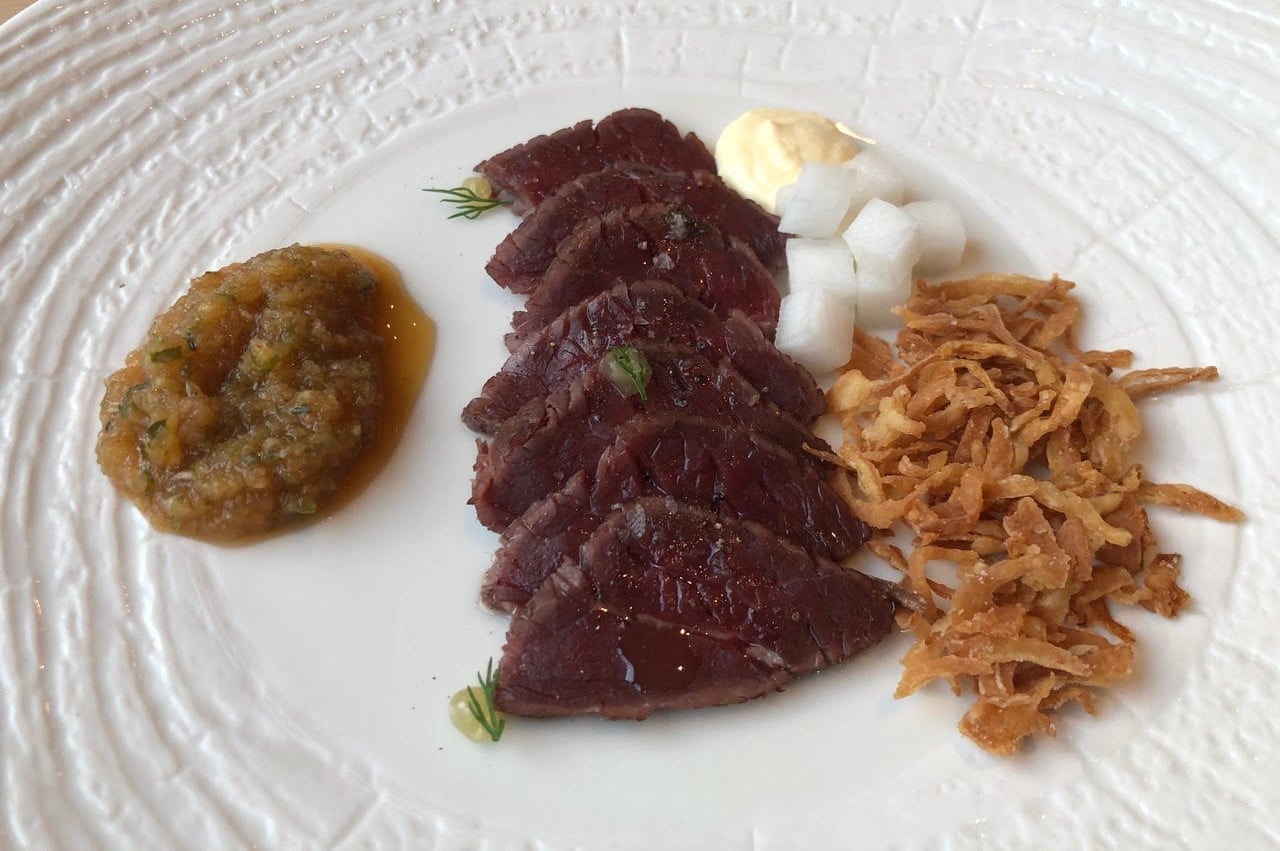
Free range ostrich tataki, pickle gel, horseradish mayonnaise and spicy chirizu sauce.
Similarly, the onion crisps, ponzu cubes, chirizu sauce and horseradish mayonnaise were the making of my free-range ostrich tataki starter. The seared ostrich slices were exemplary: dark, tender and rich. But that chirizu sauce was fresh-tasting with lingering, subtle spice. Chirizu is a vegetable-based Japanese dipping sauce usually served with sashimi. It contains daikon, sake, soy and spices. The ponzu cubes were so white, and so expertly cubed, it was like eating something from a royal kitchen. Tempelhoff’s idea to combine Japanese condiments with local ostrich chimes with his purpose of fusing African and Asian tastes at FYN.
In a me diastatement last year, Tempelhoff said he wanted the focus of the menu at beyond to be on the very best local ingredients in season. Beyond’s website calls this “a food philosophy… that centres on provenance – a philosophy than ensures that the concept never eclipses the importance of the ingredients”.
A nature-respecting philosophy like this works well in a farm environment. It also lends itself to the creation of an accessible menu.
Accessibility is very important to beyond. The current climate for restaurants makes sense of that: if it wants to continue to exist this year, fine dining must be affordable and unpretentious. Tempelhoff has spoken publicly about his desire to keep prices low, and the menu at beyond makes it clear that at least one person is dead-set on avoiding the charge of “intimidating”.
I wonder if beyond has gone too far? One of the options for a meal here is: prawn starter, steak and chips for main, chocolate cake for pud. It’s almost as if there’s been an agreement that beyond must serve familiar favourites, with some freedom for dressed-up sides.
My extra-aged Limousin beef steak was good. It was slightly overcooked but I enjoyed it. What did I really love? I really loved the sourdough crouton jus. I could have had twice as much as I was given. I loved the grilled mushroom and deliciously rich mushroom sauce. I loved the sweet, soft pickled onion, the triple-cooked waxy potato chips – who wouldn’t? – and the handmade mayonnaise. I adored the vegetable sides: tender, sweet zucchini and expertly crispy kale.
My brother had the cheesy risotto but what really blew his socks off were the veggie sides: the caramelized butternut with pumpkin oil and the sesame-flavoured broccoli stems and crispy kale.
Our main courses cried out for glasses of wine. These were rich and salty dishes. Obviously when a chef and a wine farm work together on a restaurant, the food and wine must do their best to show each other off. The risotto and steak dishes felt like they were conceived with wine in mind.
It is possible to pair the meal at beyond with “prohibition drinks”. I was tempted. I didn’t find out what the pairings were but the Prohibition Cocktail list was imaginative and extensive. I liked the sound of the Beetroot Mary, Spicy Mango & Jalapeno Fizz, Mexican Watermelon and the Chocolate & Pear Espresso Martini.
FYN is famous for its excellent service, as was Greenhouse, Tempelhoff’s restaurant at Cellars-Hohenhoort. Credit for these front-of-house teams goes to Jennifer Hugé, Tempelhoff’s long-time associate who has also joined the beyond team. Hugé is also responsible for the wine and beverages. Julia du Toit, formerly of FYN, is head chef.
If you didn’t know who was behind beyond; if you simply read the menu and prices, you would be stunned by the food. You would realise, too, that the service and décor were out of synch with the pricing. The experience would be, as it has been on this land for almost 250 years, beyond expectations –in other words, “buitenverwachting”.
Daisy Jones has been writing reviews of Cape Town restaurants for ten years. She won The Sunday Times Cookbook of the Year for Starfish in 2014. She was shortlisted for the same prize in 2015 for Real Food, Healthy, Happy Children. Daisy has been a professional writer since 1995, when she started work at The Star newspaper as a court reporter.
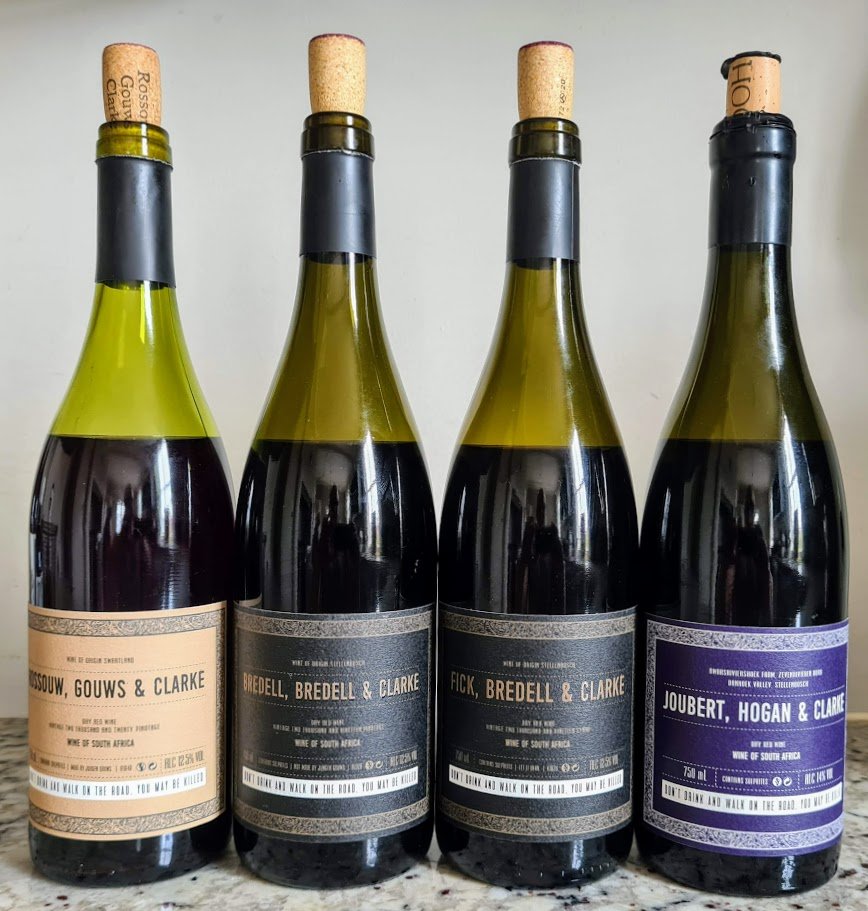
David and Jeanette Clarke of wine agents Ex Animo have a series of small batch wines which they bring to market, always striving to give credit where it’s due in recognizing both grower and winemaker and hence draw a direct line from vineyard to bottle. The results are wines that avoid the mundane without being too offbeat and hence make for very satisfactory drinking. Tasting notes and ratings for the current releases as follows:
Rossouw, Gouws & Clarke Pinotage 2020
Price: R165
Grown by Scholtz Rossouw of Langkloof Farm on the Paardeberg (grapes from 1968 bush vines farmed organically) and made by Jurgen Gouws of Intellego. 80% of the fruit fermented whole bunch under semi-carbonic conditions and the other 20% pressed earlier and fermented as a rosé to add extra juiciness.
Very attractive aromatics with notes of cherry, pomegranate and some floral perfume. The palate is light, clean and zippy with very fine tannins – has both a clarity and delicacy about it.
Grown by Pieter Bredell of Rustenhof Farm on the Lower Helderberg, and made by Bernhard Bredell of Scions of Sinai. This bottling is from a different parcel of the same old vine vineyard that produces Bredell’s Féniks, maturation in slightly newer second- and third-fill barrels.
Dark cherry, olive and a slightly “wild note” reminiscent of dry-aged meat on the nose while the palate has good fruit expression and nicely grippy tannins. Comes across as pleasantly rustic – not unlike the style Jacobsdal used to make.
CE’s rating: 90/100.
Fick, Bredell & Clarke Syrah 2019
Price: R240
Grown by Coenie Fick on the Lower Helderberg and again made by Bredell of Scions of Sinai. 50% whole-bunch fermentation. Matured in second- and third-fill 400-litre vats. The nose shows cranberry, raspberry, plenty of spice including white pepper and coriander plus a hint of vanilla while the palate is lean with good tension and energy, the finish gently savoury. Dead sexy.
Grown by Jozua Joubert of Karibib Farm on the Polkadraai Hills in Stellenbosch and made by Jocelyn Wilson of Hogan Wines. Winemaking involved 50% whole-bunch fermentation before maturation lasting some nine months in a single older 225-litre barrel. Uncertified, this was a component that ultimately not included in Hogan’s red blend called Divergent.
Red and black fruit, olive and a mild leafy quality on the nose while the palate is medium-bodied with good freshness, the tannins already pretty much resolved. The finish, in turn, is long and gently savoury. Classically styled, this provides good drinking right now.
Attention: Reviews like this take time and effort to create. We need your support to make our work possible. To make a financial contribution, click here. Invoice available upon request – contact info@winemag.co.za


 The result was, as the final Chocolate Block label announces, a wine assembled from a total of 2 414 barriques. That’s a lot of wine – almost unequalled in South Africa in its ratio of quality:price:quantity. 2 414 multiplied by 225 litres (the content of a bordelaise barrique), retailing for R235 per bottle from Cybercellar (R259 from Caroline’s) and a helluva lot more elsewhere in the world. Jaw-droppingly enviable statistics. In fact, of course, that is really a notional (actually an equivalent) number of actual barriques: much of the wine was matured in larger barrels and casks – from 600 to 2 500 litres (only the cab was treated to new barriques). But the label has always shown the volume according to the barriques that were originally used for all the wine, so that traditional measure continues.
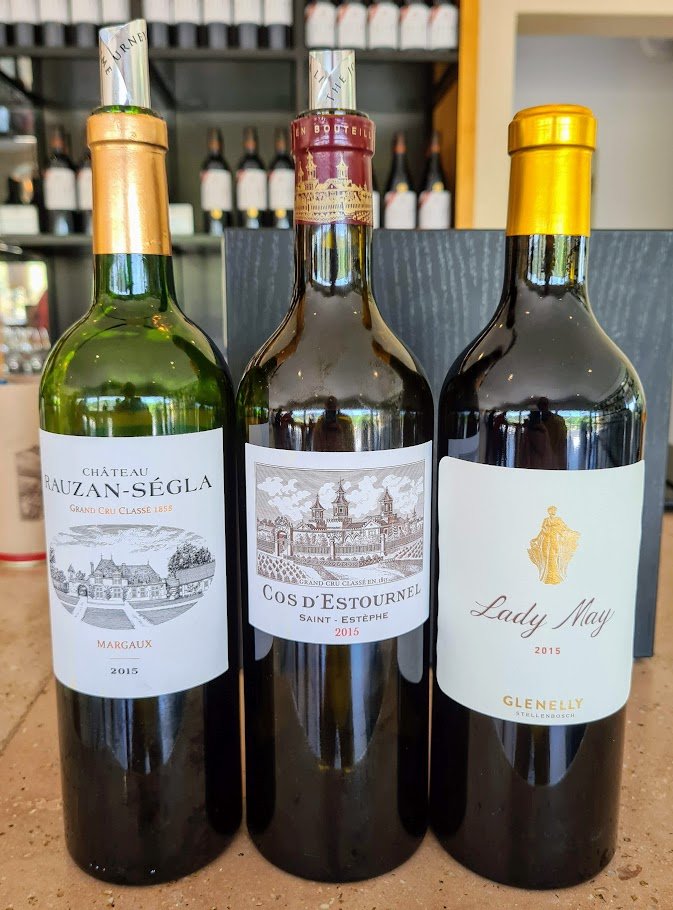 The 2015 vintage of Lady May, the top-end Cape Bordeaux red blend from Stellenbosch property Glenelly, is due for release shortly and winemaker Luke O’Cuinneagain recently hosted a small tasting to see how his wine might fare against two leading examples of the same vintage from Bordeaux, namely Rauzan-Ségla 2015 from Margaux and Cos d’Estournel from Saint Estèphe, both second growths. Tasting notes and ratings as follows:
 The Family Vineyards Chardonnay from Newton Johnson in Upper Hemel en Aarde is comprised of three vineyards sites from the farm, widely varied in their exposure to the sun, each contributing in different ways to the final wine’s structure.
 Oupa Willem is named after Ian Naudé’s grandfather and is billed as a “Cape heritage blend”. Consisting of 80% Darling Cinsault and 20% Durbanville Cabernet Sauvignon, winemaking involved 40% whole-bunch fermentation and alcohol is a modest 12%.
 Cape Town restaurant La Tête, considered one of the

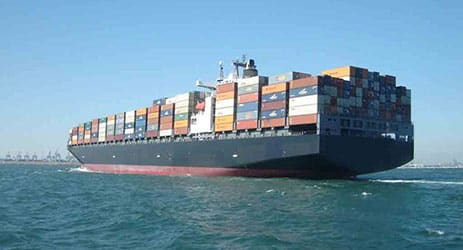 The total volume of South Africa’s wine exports, at 319.2 million litres, was only 0.2% down on 2019, despite a five-week long ban on exports and huge challenges at the Cape Town Port terminal due to Covid-19, this according to generic marketing body Wines of South Africa (WOSA).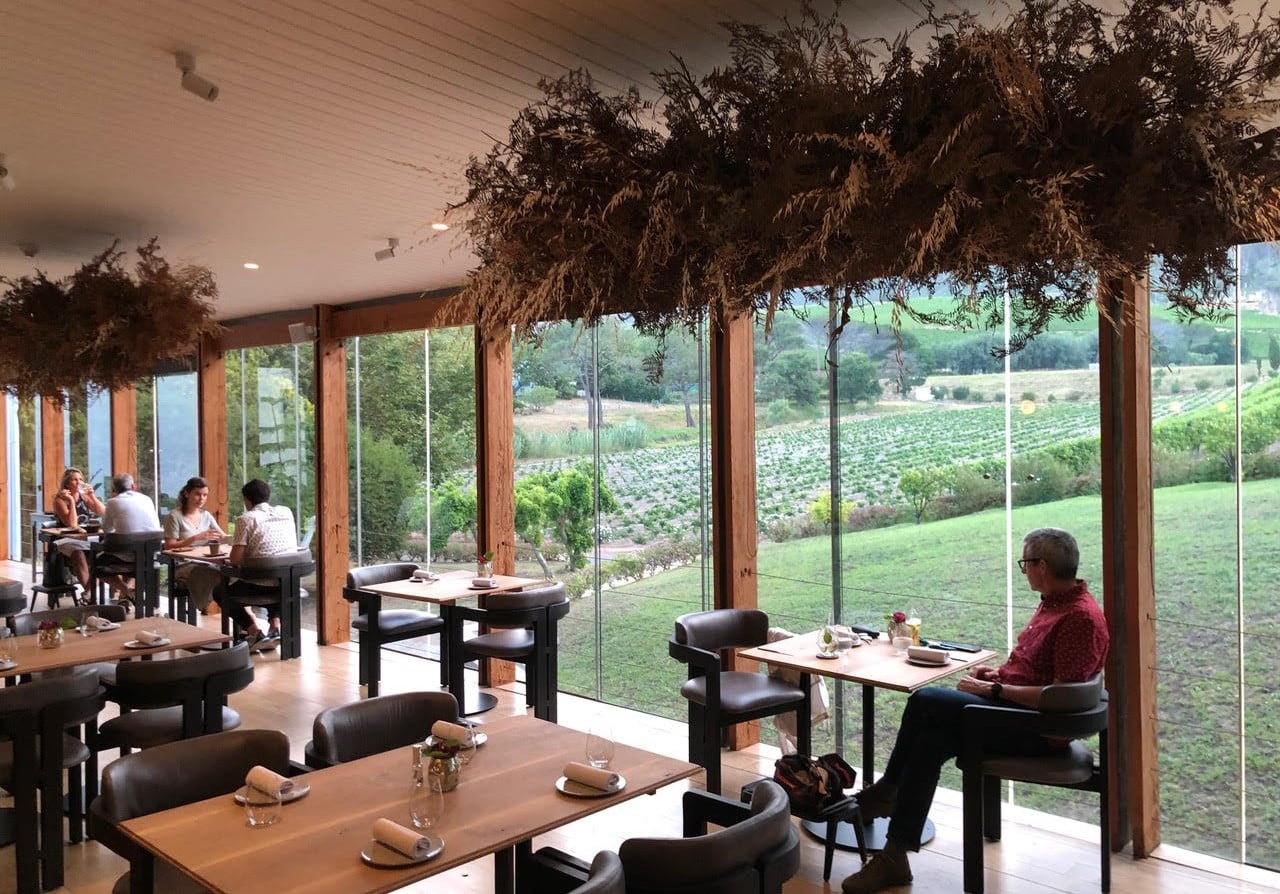
 David and Jeanette Clarke of wine agents Ex Animo have a series of small batch wines which they bring to market, always striving to give credit where it’s due in recognizing both grower and winemaker and hence draw a direct line from vineyard to bottle. The results are wines that avoid the mundane without being too offbeat and hence make for very satisfactory drinking. Tasting notes and ratings for the current releases as follows: