
FermTech briefing: Smoke taint and the need for proactivity over reactivity
By Clayton Reabow, 29 January 2026
-
Share:





1
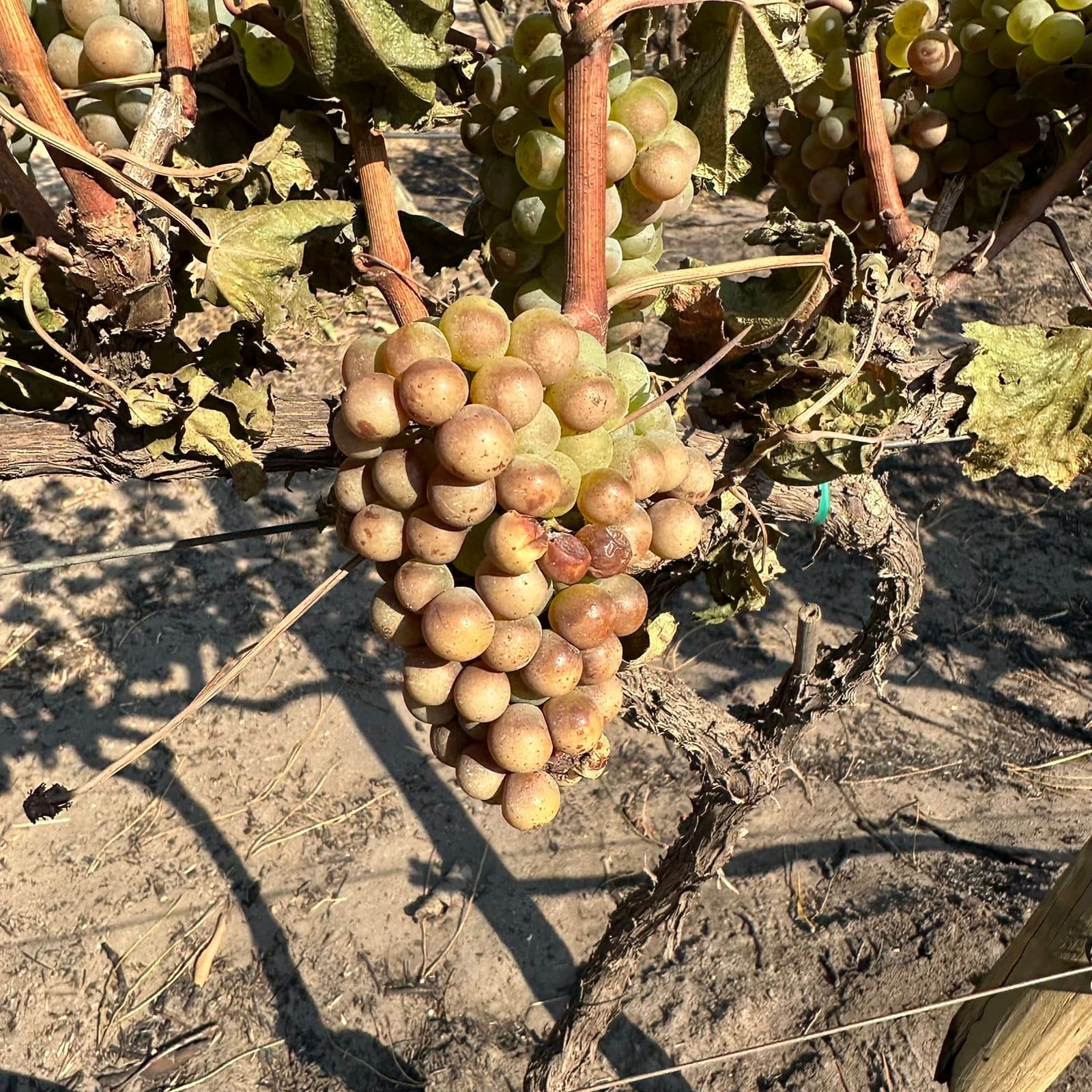
Now that the literal smoke, dust, and ash have settled across the Boland after nearly three weeks of relentless fires, we find ourselves facing a difficult question: “What now?”
While the devastation extended far beyond the wine industry, what’s especially concerning for us as vignerons is the timing, right in the middle of the 2026 grape harvest. And yet, as with many faults in winemaking, smoke taint often remains a “taboo subject”, spoken about quietly and off the record.
But it shouldn’t be. Ambivalence and silence don’t serve anyone and do the wine no favours.
The science we can’t ignore
Smoke taint is caused by volatile phenols, particularly guaiacol and 4-methylguaiacol that are released when plant material burns. These compounds enter the grape’s waxy cuticle and bind with sugar molecules, forming glycosidically-bound precursors. These precursors may not be aromatic at first, but during fermentation or aging, they can be hydrolyzed and released, resulting in unmistakable smoky, ashy characters.
Research from both AWRI and UC Davis shows that even one to three hours of exposure to dense, fresh smoke can be enough to accumulate significant levels of these compounds in the berry. And the closer to harvest, the more vulnerable the fruit.
Why prevention beats cure – every time
Here’s the key: once fermentation starts, your intervention options become far more limited and invasive.
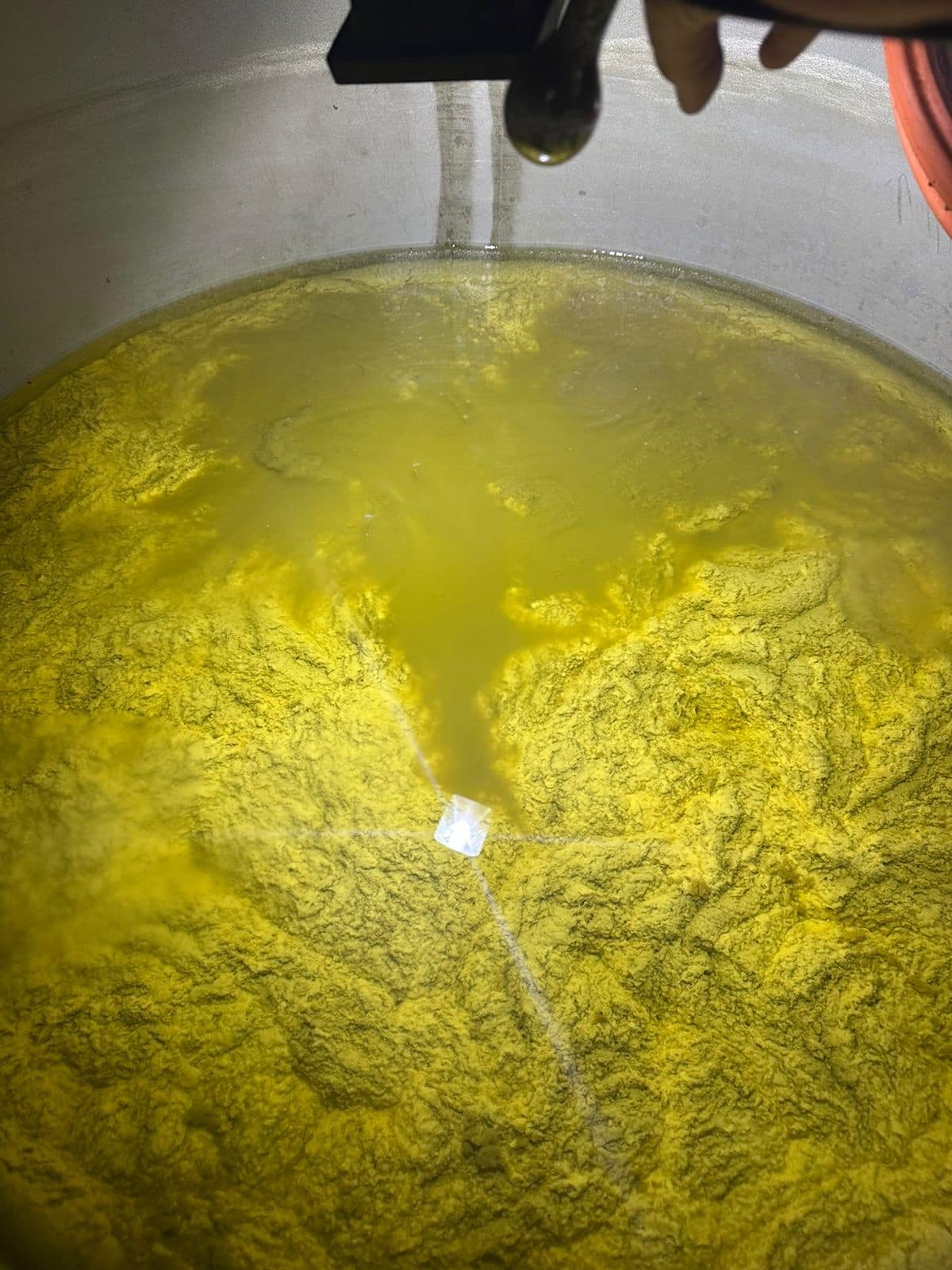
By contrast, working on the juice stage, especially in white and rosé, provides the best opportunity for proactive treatment. Clarification and settling provide a natural point of intervention.
Our recommendation? A product like 2B FermControl ClearUP BIO, an organic, yeast-derived fining agent applied at this stage offers a natural, efficient, and minimalist solution. It binds free volatile phenols, allowing for removal before they become fixed in the wine. And it does so without stripping aromatics or colour, unlike traditional treatments such as activated carbon.
The cost – both operational and people
Let’s talk about something more uncomfortable: the commercial impact.
I’ve already heard of growers having contracts cancelled outright due to potential smoke taint regardless of testing or treatment. That’s devastating. The fruit is already on the vine. The grower carries the loss. And ironically, next year, that same grower will likely supply the same winery again due to lack of alternatives.
This cycle serves no one.
Instead of knee-jerk cancellations, we should be re-negotiating and collaborating on cost, risk-sharing, and setting fair expectations for wine outcome. Terminating the deal and walking away isn’t leadership. It’s short-termism.
Trial, taste, talk
I know how tempting it is to reject fruit that’s been exposed to smoke. It’s easier to drop it and call it a loss.
But sometimes, you need to trust the process and test your assumptions.
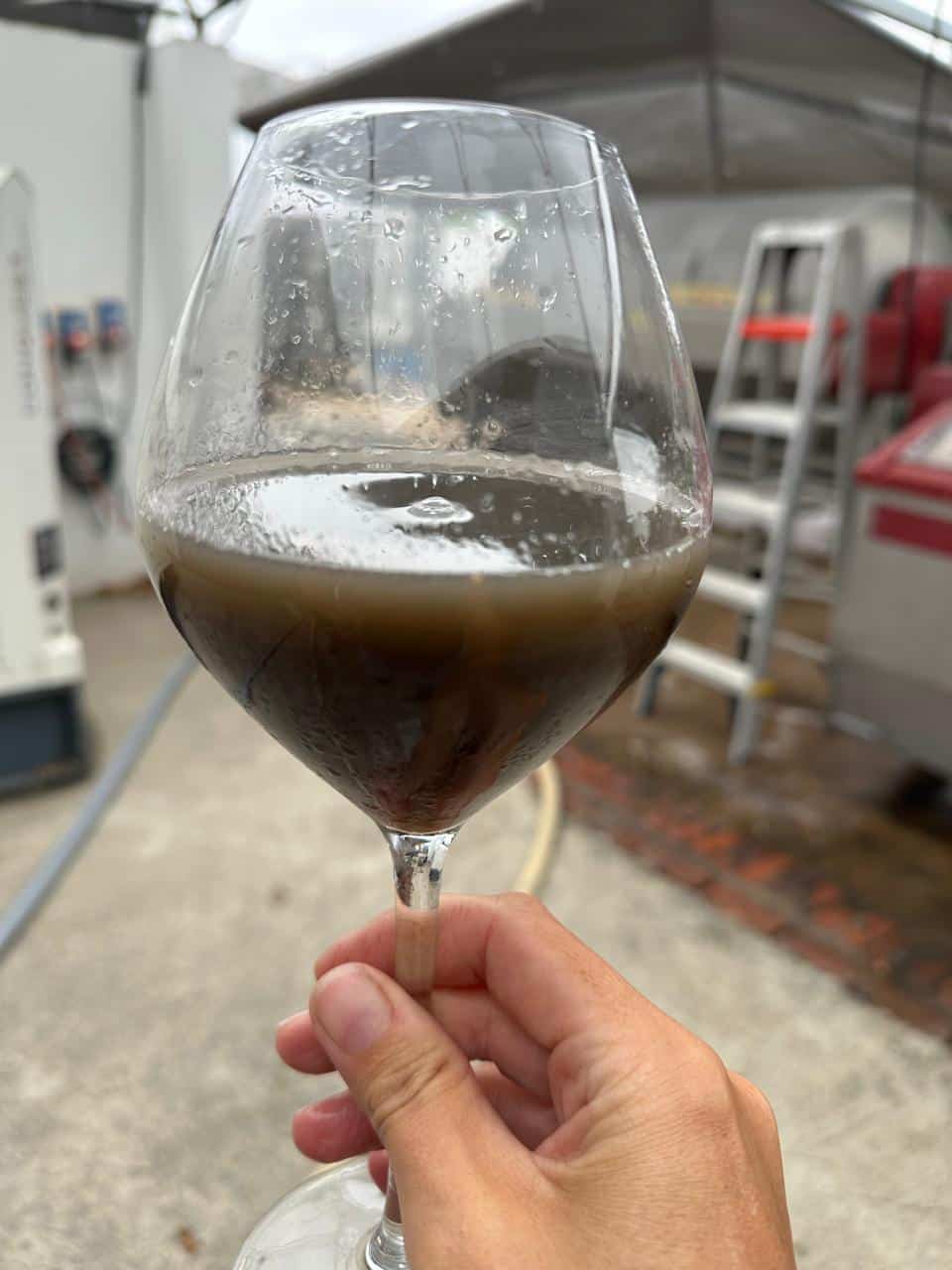
In a recent case from our own vineyards, we harvested two tons of scorched Chardonnay as part of a trial. Convention said to leave them. I disagreed.
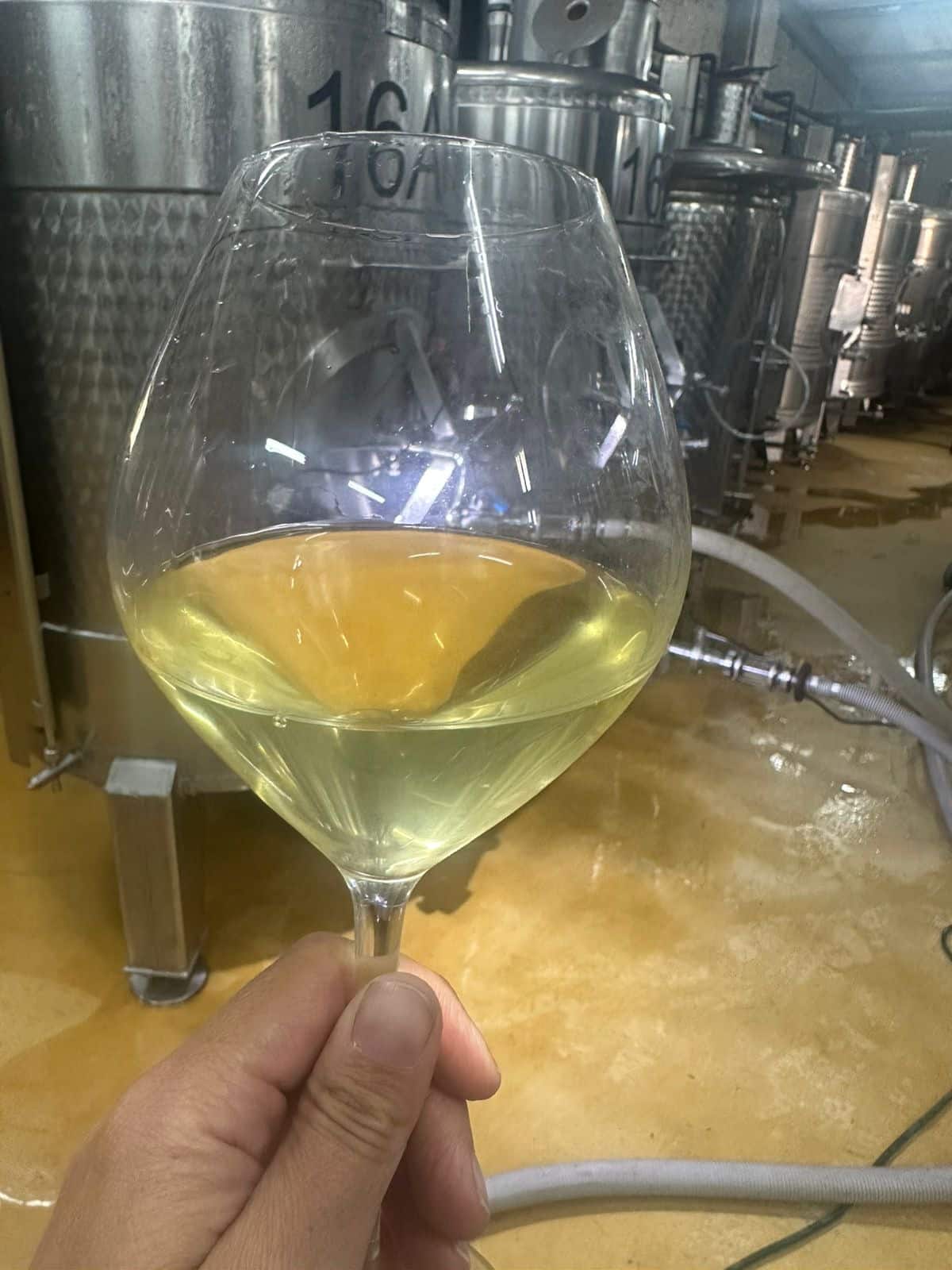
After treating the juice proactively, we blind-tasted it against fruit from a non-affected block. Embarrassingly, I misidentified the wine confusing the clean block for the smoke-exposed one. It may still be early days, but the results are promising. And best of all, we’re under no obligation to use that parcel in the final blend. But it’s shown me what’s possible when you push past fear.
To the consumer reading this, you may be thinking: “Note to self: avoid 2026 wines from fire-affected regions.”
But the truth is more nuanced.
Many of the wines that suffered no treatment will likely never reach the bottle. And the ones that do? They’ve been guided by some of the most thoughtful, skilled winemakers in the country who dealt with the issue head-on.
That’s the reality of a living product, one that reflects its season, its struggle, and the hands that shaped it.
If you’re curious to learn more, I’ve shared a deeper look at our treatment approach here.
Let’s keep the conversation open and the wines honest.
- Clayton Reabow owns FermTech Solutions, the South African distributor of 2B FermControl – a range of organic fermentation products for minimal-intervention winemaking. With more than 22 years’ experience in the local wine industry, Reabow combines winemaking expertise with a practical understanding of supply chains and production. His goal is to help producers maintain quality while staying efficient and competitive in a changing market.
-
Share:

Related articles
Opinion & Analysis
FermTech briefing: What if Bordeaux matters more than we think?
1 July 2026
An article earlier in the year by Michael Fridjhon on the collapse of Bordeaux speculation left me thinking long after I had finished reading it. Not because of the financial...
Reviews
Môreson Knoputibak 2012
30 October 2014
Want to read this? Christian Eedes’ latest wine reviews are initially reserved for subscribers. Get full access now. SUBSCRIBE NOW Already subscribed? Login
0
News
Franschhoek’s nascent Appelation Grand Prestige
1 November 2013
Today the first step towards the establishment of a special designation for Franschhoek’s best wines to be known as Appelation Grand Prestige. The initiative started by Môreson’s Clayton Reabow and...
Melvyn Minnaar | 1 February 2026
Here is a fascinating article in The New Yorker:
https://www.newyorker.com/magazine/2026/01/12/can-we-save-wine-from-wildfires