
Springfontein Terroir Selection current releases
By Christian Eedes, 29 October 2025
-
Share:





2
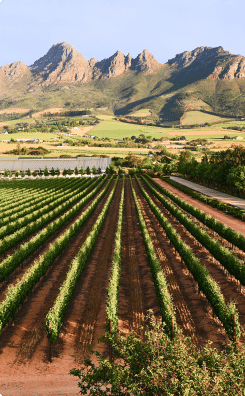
In 1996, German engineer Johst Weber, together with family and friends, acquired the expansive but underutilised Springfontein estate on the outskirts of Stanford in the Overberg. The property takes its name from a natural spring that wells up on the farm, while its soils are unusual in South Africa, featuring maritime limestone.
Springfontein focuses primarily on Pinotage, with an increasing emphasis on Chénel, a local crossing of Chenin Blanc and Ugni Blanc (Trebbiano) prized for its disease resistance. The wines aim to reflect South Africa broadly, but more specifically the estate’s unique terroir, certified organic as testament to this philosophy.
The range is extensive, but the Terroir Selection trio is a strong starting point for anyone wanting to understand what Springfontein can achieve. Notably, the Pinotage 2022 (R320) earned a Top Six placement and a rating of 94 in the category report sponsored by Prescient Fund Services earlier this year. Tasting notes for the other wines are as follows:
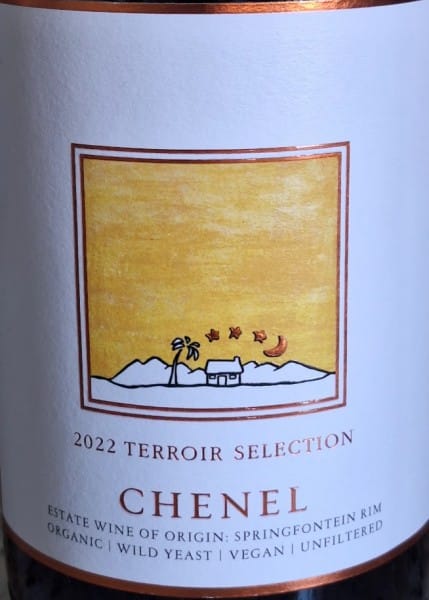 Terroir Selection Chenel 2022
Price: R435
Fermented and matured in plastic eggs (62%) and second-fill barrels (38%). Subtle aromatics of dried peach, apricot, soft citrus, some yeasty complexity and earth. The palate has appealing breadth and texture, not extravagantly flavoured yet not entirely neutral either, the finish dry. Alc: 13%.
CE’s rating: 92/100.
Terroir Selection Chenin Blanc 2022
Price: R320
Fermented and matured in plastic eggs and third-fill barrels. Restrained aromatics of citrus and peach plus hints of fynbos and lanolin. The palate is concentrated but also has plenty of drive, offering both volume and vitality. Well balanced, nuanced and intriguing.
CE’s rating: 93/100.
Check out our South African wine ratings database.
-
Share:
Gareth | 5 November 2025
Fascinating. I would love to know what Chenel tastes like for myself, with reference to Chenin. But the bit that made me wonder was the fact that it is supposedly prized for disease resistance. Considering how much old-vine Chenin there is in the cape, is Chenin actually disease-prone? I mean, is this an actual problem with the grape that needed addressing?
Christian Eedes | 7 November 2025
Hi Gareth, Chenel was developed in the 1970s and the idea behind it was to create a reliable, high-yielding white for brandy and bulk wine production, less prone to rot and fungal issues than Chenin in humid conditions.
However, as vineyard management and winemaking improved, Chenel fell out of favour. Producers realised they could achieve both yield and acceptable quality with Chenin itself, so plantings of Chenel dwindled.