
Tim James: Varietal wines, mono-varietals, and multi-blends
By Tim James, 27 July 2026
-
Share:





2
Questions around the blending of grape varieties have been milling around in my mind this past week, prompted by a comment and query on my article about the latest Sadie releases. There are four wines in the range that have large numbers of varieties in their make-up: the two Signature wines (Columella with 7; Palladius with 15) and the two wines of the mixed vineyards on the home farm (red Songvang and white Twiswind with 12 grapes each). GillesP wondered whether such a blend “can actually reveal any specific personality in a wine expression?” He said: “As we are mostly used to blend of 2 to 4 varietals, it seems like a very diluting exercise”.
I enjoy questions that imply thought and promote me to both think and investigate. My response was basically to counterpose site expression to varietal expression, saying that this is what Sadie is after – in the blends and the monovarietal wines too. Incidentally, you’ll note that the Sadie wines made from just one or two varieties do not mention those on the labels, though there’s no secrecy: they are listed on the released wine notes. This label-silence is true for a number of modern producers that want to downplay varieties and stress vineyard origins – Alheit, Savage, David & Nadia, for example, but also others.
So I pointed out that a wine-lover concern with varieties is very much a modern one. Here I offer a few more observations on the matter, with some of my usual digressions.
As I suggested before, it’s interesting to notice an often substantial shift in the nature of vineyard plantings following the great turmoil initiated by the rampant vine diseases of the 19th century – firstly oidium, but most importantly phylloxera in the century’s last decades. (Not that it is at all easy finding facts and figures about this; I’ve been trying; as usual, there’s a depressing lack of interest in wine history evident.) However, it’s clear that what we think to be the norm doesn’t often stretch much beyond modern times.
Take the most famous blend of all – red Bordeaux. Stephen Brook in his The Complete Bordeaux refers to 1794 records of 34 red varieties and 29 whites on the Right Bank, though fewer in the Médoc. Later, the most famous of the disappearing varieties was carmenère – thought to be extinct until it was identified in Chile, where they’d imported it thinking it to be merlot…. (Savvy Australia’s albariño import turned out to be savagnin; our own fondly imagined tempranillo turned out to be trincadeira – not to mention the infamous illegal smuggling of chardonnay which was in fact auxerrois; it’s clearly not hard to make such mistakes.)
In another example of crisis-prompted change, France’s Sancerre became overwhelmingly planted to sauvignon blanc, whereas it used to be mostly pinot noir and gamay; a little pinot remains, but gamay not – there also used to be a great deal more of this latter variety on the Côte d’Or. In Cognac the traditional variety until last century was folle blanche, but this is now in a tiny minority.
The same great varietal shift happened elsewhere too. In Galicia in Spain, for example, the response to financial pressures after upheavals led to the myriad indigenous varieties being replaced by other grapes – and, as widely in France, by hybrids (including American non-vinifera varieties) which didn’t need grafting onto rootstocks. Happily, this situation is now being reversed by quality-conscious producers.
The South African vineyard also looked very different as the 20th century emerged. A good thing, in fact, as an increased diversity replaced the former total dominance of semillon (greengrape). Syrah, sauvignon blanc, cabernet and – above all – cinsault (known then as hermitage) shouldered their way into the vineyards, amongst others.
Talking of South Africa, it’s always quite amusing to observe how, at tastings of some of the great mid-century red blends, admiring drinkers tend to be at a bit of a loss because we simply don’t know, in most cases, what varieties were included, let alone in what proportions (see here for some indication of how Chateau Libertas changed over the decades). It was clearly a much less important consideration back then than it is for us today, when we seem to need the hook of varietal knowledge for our understanding.
On which local note, a few incidentals: There were certainly Cape wines in the latter 19th century that were marketed with varietal names – a modernising touch, presumably intended to differentiate the wines from generic stuff hopefully and ridiculously called Moselle, Vin de Grave, Madeira, etc. I’ve seen labels mentioning Riesling (mistakenly!), Pontac, Greengrape. Secondly, I suspect that the Cape was surely a unique pioneer in the New World in having its best-known wine named for its genuine origin, Constantia. That’s something to be proud of.
The worldwide rise in varietal wines – that is, those primarily identified, especially on the label, by the grape variety or sometime varieties – was hugely promoted, if not invented, in America. Such varietalism was used by the UC Davis academic Maynard Amerine as a way of encouraging farmers to plant better varieties after the repeal of prohibition. The practice was later pushed in America by the writer Frank Schoonmaker and, says the Oxford Companion to Wine, ‘was embraced during the 1970s to distinguish the more ambitious wines, often made from Cabernet Sauvignon and, increasingly, Chardonnay, from the lack-lustre generics of old’. Such is the power of the USA that the practice spread – not least to South Africa, where it is also dominant.
I think that this varietalism, while it clearly had and has its uses, also has downsides. Basically, I suppose, it’s the reason we wine lovers are so besotted with knowing the grape variety, as a way of helping us respond to the wine. Partly because it tends to work like a brand. The first great example of this was the rise in chardonnay’s popularity, which also led to its being made primarily in one buttery, oaky style. It’s now rather like that with sauvignon blanc: it tends to all have a common set of identifiers, and those identifiers are pretty strong; this makes it a reassuring buy for the majority of customers. No wonder most “commercial” sauvignons are made in the same sort of style. I’m also tempted to believe that this factor is a part of the incredible international popularity of Burgundy (and increasingly now of Barolo), at the most rarefied critical levels downwards – and so of pinot noir and chardonnay from other parts of the world. (Hence the great commercial, and critical, success of the Hemel-en-Aarde.)
Another problem, obviously connected with the above, is that the response has widely been that if varietalism is good, then mono-varietalism must be better. Ask local retailers or any serious local producer of white blends about the commercial success of that category, although it is certainly one of the greatest glories of modern South African wine.
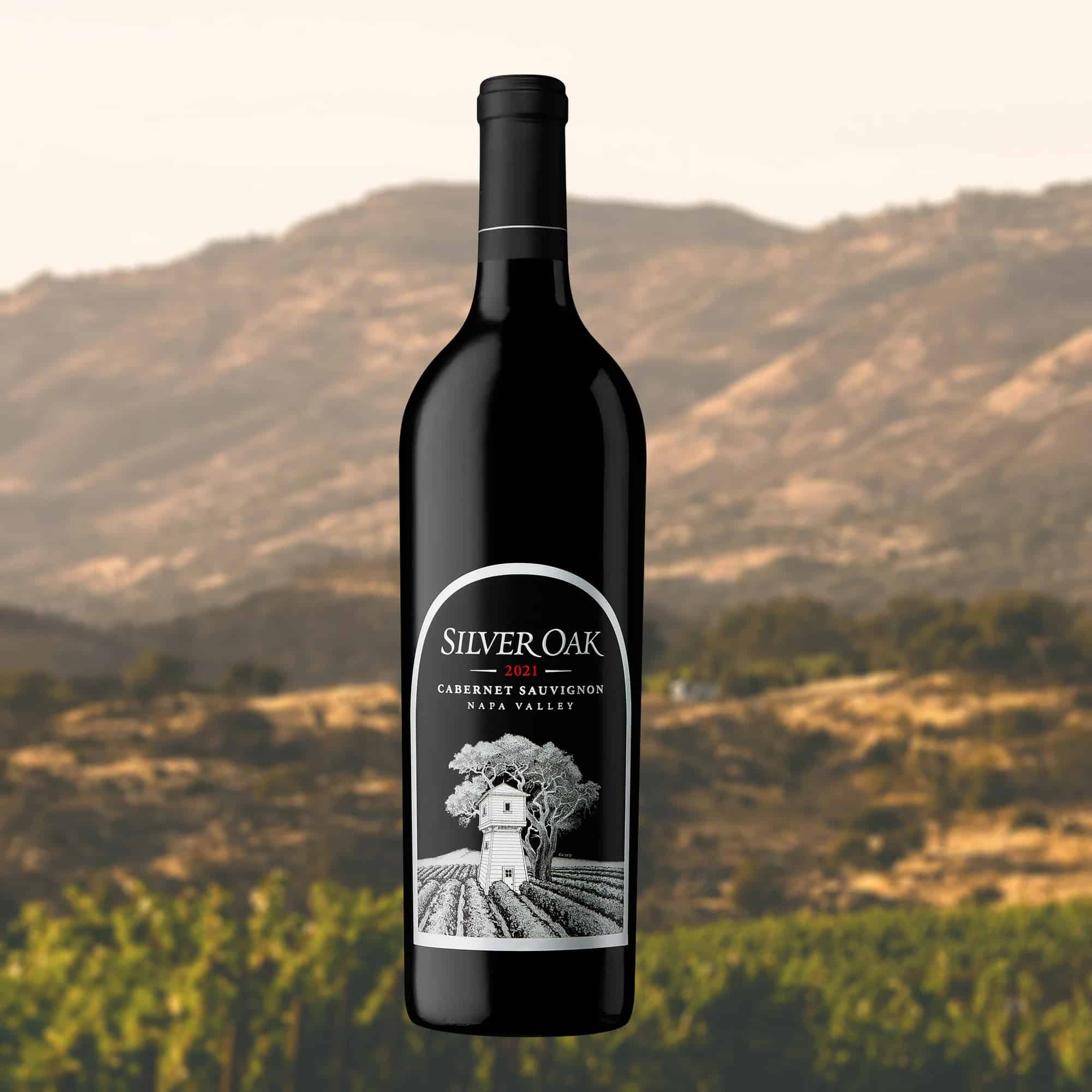
We do, admittedly, I’m pleased to say, have here a tradition for respecting red blends, especially the Bordeaux-style reds, and this is internationally uncommon. For many producers, the cab-based blend is traditionally the most prestigious wine in the portfolio, ahead of cabernet (Meerlust, Kanonkop, etc). That’s not generally the case elsewhere in the “New World” where varietalism rules. There are certainly some famous Californian blends which don’t have varietal names – but even some of these tend to be known as “cabernet sauvignon”. And many of the wines that are sold as Napa Cabernet Sauvignon are undeclared blends – with up to 25% of other varieties allowed. (I noticed, for example, this note about the prestigious Silver Oak Cabernet Sauvignon, from Napa: “If you take a look at the composition of our Cabernets side by side, you’ll notice that the Napa Valley Cabernet is more of a blend. There’s approximately 80 percent Cabernet Sauvignon compared to the 95+ percent Cabernet Sauvignon in the Alexander Valley Cabernet.”) Such is the prestige of the particular grape, and of monovarietal wine.
As so often, I’ve got a bit carried away, and haven’t left enough room to return to the question of the Sadie multi-blends. But I have been talking to Eben about them, and it really is a fascinating story and strategy; so I plan to pick up on that next week.
- Tim James is one of South Africa’s leading wine commentators, contributing to various local and international wine publications. His book Wines of the New South Africa – Tradition and Revolution appeared in 2013.
-
Share:

Related articles
Opinion & Analysis
Tim James: Who really wins at wine auctions?
12 October 2026
The Strauss & Co wine auctions began in 2019, in good time to benefit, as is clear in retrospect, from the pandemic that was soon to hit us. The stated...
6
Opinion & Analysis
Tim James: Why do we drink? And why do I?
5 October 2026
We all drink alcohol, it’s surely fair to say (unless there are some teetotal voyeurs – liseurs? – readingthis; “we” being the readers, extended to “people generally”). But why? That’s...
Opinion & Analysis
Tim James: A visit to Callie Louw’s Sonkop
28 September 2026
Fans of Callie Louw – there are many, and I think “fan” is the right word – will be pleased to know that all is going well at his new...
GillesP | 27 July 2026
Fascinating read Tim, i am glad i inspired your new post and can’t wait for the next chapter. You have replied to me with some eye opening views even if i remain a bit sceptical on the matter of blending so many varietals in 1 wine, i mean what matters i guess is the end result of the said wine being good and balanced and delivering even if my palate can’t taste the 2 or 4% of the odd varietals which have been included.
Lieze | 3 August 2026
Thank you Tim. As Giles said, fascinating. I’m on the blending side, and think us drinkers should really be more focused on styles, rather than varietals, but of course that takes a bit more effort and understanding.